
Showing Results for Specialty Cameras
-
Save $159.01

ACTi Modular 4K Camera FOR Q Z & C Series - MIC-MODCAM4K
4K modular camera designed as a drop-in module for Newline Q and Z Series interactive displays
- 8 MP 4K sensor delivers evidence-grade clarity for recorded meeting archives.
- USB connection carries both power and video signal, eliminating a separate power supply.
- Plug-and-play USB device requires no driver installation on compatible host displays.
Usually Ships in 2-3 Weeks Free shipping over $499$449.00 $289.99 Save $159.01 -
Save $26.01

Axis 03370-001 Thermal Sensor
When perimeter detection demands absolute reliability regardless of lighting conditions, traditional cameras fall short
- Remote thermal sensor unit for Axis network video integration
- Operates in total darkness, fog, smoke, and adverse weather
- Hardware module drops into compatible Axis network video products
Usually Ships in 2-3 Weeks Free shipping over $499$849.00 $822.99 Save $26.01 -
Save $26.01
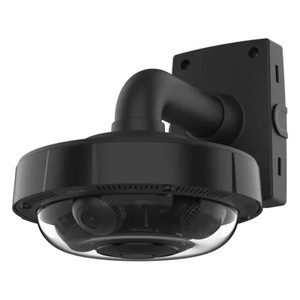
Axis 03371-001 Thermal Sensor
When you need reliable perimeter detection in complete darkness, adverse weather, or scenarios where traditional cameras can't deliver actionable
- Remote thermal sensor unit for Axis network surveillance integration
- Heat-signature detection works in zero-visible-light conditions
- Hardware module drops into compatible Axis network camera systems
Usually Ships in 2-3 Weeks Free shipping over $499$849.00 $822.99 Save $26.01 -
Save $68.01

Digital Watchdog DW-DTWT Walk Tester for SiteWatch
Portable diagnostic tool designed for SiteWatch system installation, commissioning, and field troubleshooting
- Walk-tester appliance for Digital Watchdog SiteWatch diagnostics
- Intel i7 plus 32 GB RAM ceiling handles multi-node field tests
- 5-year limited warranty - portable field tool for DW deployments
Usually Ships in 2-3 Weeks Free shipping over $499$165.00 $96.99 Save $68.01 -
Save $879.01

Hanwha TNS-7000M
Usually Ships in 2-3 Weeks Free shipping over $499$2,510.00 $1,630.99 Save $879.01 -
Save $3,325.01
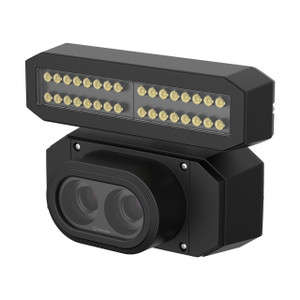
Hanwha TNS-9040IBC 6MP Network Barcode Reader Camera
- 6MP network barcode reader camera with 12x optical zoom
- Combines visual surveillance with barcode capture in one unit
- Varifocal lens with WDR and 850nm IR night vision
Usually Ships in 2-3 Weeks Free shipping over $499$9,500.00 $6,174.99 Save $3,325.01 -
Save $3,325.01

Hanwha TNS-9050IBC 4K Thermal Barcode Reader Camera
Dual 4K thermal barcode reader with IP67/IK10 for logistics automation
- Monochrome + color 4K sensors at 20fps each for simultaneous barcode and video
- 1D/2D barcode recognition (Code128, Codabar, Interleaved 2 of 5) via WiseBCR
- IP67 water/dust + IK10 impact rated; operates -40°C to +55°C with 32-LED module
Usually Ships in 2-3 Weeks Free shipping over $499$9,500.00 $6,174.99 Save $3,325.01 -
Save $3,325.01

Hanwha Wisenet T Network BCR (barcode Reader - TNS-9060IBC
- Wisenet T network barcode reader for access control
- Hands-free auto-scanning at gates and entry points
- Wisenet T platform integration with unified VMS
Usually Ships in 2-3 Weeks Free shipping over $499$9,500.00 $6,174.99 Save $3,325.01 -
Save $6,373.62

Pelco EABE1-2X40VF09-SPT0-AC 2MP 40x PTZ Camera
40× PTZ in 316L stainless steel for corrosive coastal & industrial sites
- 40× optical zoom (4.3–129 mm) with 2MP @ 60 fps for wide to telephoto coverage
- 316L stainless steel housing rated IP66/IP67/IP68 resists salt spray & washdown
- 360° pan, -90° to +1° tilt with 256 presets; operates -40°C to +60°C
Usually Ships in 2-3 Weeks Free shipping over $499$24,782.61 $18,408.99 Save $6,373.62 -
Save $6,373.62

Pelco EABE1-2X40VF09-SPT0-M1 2MP 40x PTZ Camera
40x PTZ with 316L stainless steel for corrosive environments
- 2MP at 60 fps with 40x optical zoom and 0.1 lux color imaging
- 360° continuous pan, IP66/IP67/IP68 rated for coastal and industrial sites
- 130 dB WDR, H.265 compression, PoE+ or 24VAC/DC powered
Usually Ships in 2-3 Weeks Free shipping over $499$24,782.61 $18,408.99 Save $6,373.62 -
Save $6,597.18

Pelco EABE1-2X40VF36-SPT0-AC 2MP 40x PTZ Camera
2MP 40x PTZ camera with 316L stainless steel for salt-spray environments
- 40x optical zoom (4.3–129mm) with 360° pan and -90° to +1° tilt range
- 0.1 lux color + 130 dB WDR for low-light and backlit scenes
- IP66/IP67/IP68 rated 316L stainless steel; PoE+ or 24VAC/DC power
Usually Ships in 2-3 Weeks Free shipping over $499$25,652.17 $19,054.99 Save $6,597.18 -
Save $6,902.18

Pelco EABE1-2X40VF36-SPT0-M1 2MP 40x Anti-Corr PTZ
40x zoom PTZ with 316L stainless steel for corrosive environments
- 2MP @ 60 fps with 40x optical zoom (4.3–129 mm) and 360° continuous pan
- 316L stainless steel housing rated IP66/IP67/IP68 for salt spray and chemicals
- 0.1 lux color imaging and 130 dB WDR with H.265 compression and PoE+ power
Usually Ships in 2-3 Weeks Free shipping over $499$25,652.17 $18,749.99 Save $6,902.18 -
Save $3,392.98

Pelco ESSE1-2X40-SPT-AC 2MP PTZ Camera
2MP 40x PTZ washdown camera, IP69K stainless steel, -40°C to +60°C
- 40x optical zoom (4.3–129 mm) spans 77° wide to 2.1° telephoto in one unit
- 2MP @ 60 fps with 130 dB WDR and H.265 compression for high-pressure wash zones
- 316L stainless steel body rated IP69K/NEMA 4X for direct 100 bar washdown survival
Usually Ships in 2-3 Weeks Free shipping over $499$12,612.97 $9,219.99 Save $3,392.98 -
Save $3,242.98
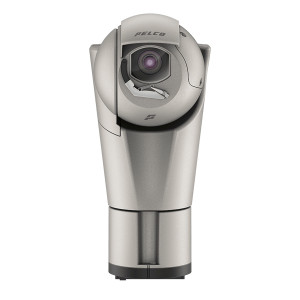
Pelco ESSE1-2X40-SPT-M1 40x PTZ IP69K Camera
40x PTZ IP69K camera for high-pressure washdown environments
- 40x optical zoom (4.3–129mm) with 360° pan and 256 presets
- 2MP at 60fps with 130dB WDR; H.265/H.264 compression
- 316L stainless steel; IP69K rated; -40°C to +60°C operating range
Usually Ships in 2-3 Weeks Free shipping over $499$12,612.97 $9,369.99 Save $3,242.98 -
Save $3,242.98
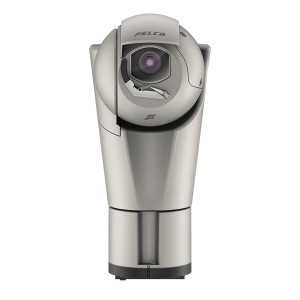
Pelco ESSE1-2X40-SPT-M2 2MP 40x PTZ IP69K Camera
Stainless steel 2MP PTZ for high-pressure washdown environments
- 40x optical zoom with 360° pan and 256 presets for comprehensive coverage
- IP69K rated with 316L stainless steel; survives -40°C to +60°C extremes
- 2MP @ 60 fps, 130 dB WDR, H.265/H.264; PoE+ or 24VAC/DC powered
Usually Ships in 2-3 Weeks Free shipping over $499$12,612.97 $9,369.99 Save $3,242.98 -
Save $8,721.05

Pelco EXBE2-2X30QF06-SPT-ACG Explosion-Proof Bispectral PTZ
Dual thermal + visible PTZ for ATEX/IECEx/UL Zone 1 & 21 hazardous areas
- 2 MP visible with 30× optical zoom + QVGA thermal in fusion mode
- 360° pan, -90° to +1° tilt, 256 presets in 316L stainless steel housing
- H.265/H.264 compression, IP66–IP69, operates -40°C to +70°C
Usually Ships in 2-3 Weeks Free shipping over $499$33,913.04 $25,191.99 Save $8,721.05 -
Save $8,721.05
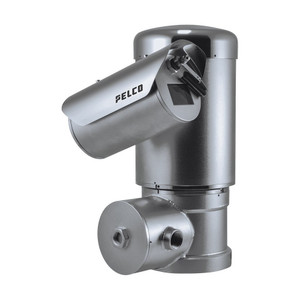
Pelco EXBE2-2X30QF06-SPT-M1G Explosion-Proof Bispectral PTZ
Dual-spectrum PTZ for hazardous zones with thermal + visible fusion
- 2 MP visible with 30× zoom + QVGA thermal (320×256) in single camera
- ATEX/IECEx/UL explosion-proof rated for Zone 1 and Zone 21 areas
- 360° pan, -90° to +1° tilt, 256 presets; 316L stainless IP66–IP69
Usually Ships in 2-3 Weeks Free shipping over $499$33,913.04 $25,191.99 Save $8,721.05 -
Save $8,721.05
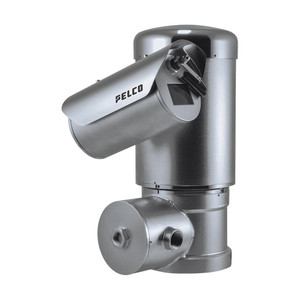
Pelco EXBE2-2X30QF06-SPT-M2G-1 Explosion-Proof Bispectral PTZ
Explosion-proof bispectral PTZ with 2MP visible + thermal fusion
- 30× optical zoom visible camera paired with QVGA thermal for day/night
- ATEX/IECEx/UL certified for Zone 1 & Zone 21 hazardous environments
- 360° pan, 256 presets, IP66–IP69 rated, -40°C to +70°C operation
Usually Ships in 2-3 Weeks Free shipping over $499$33,913.04 $25,191.99 Save $8,721.05 -
Save $8,721.05

Pelco EXBE2-2X30QF18-SPT-ACG Explosion-Proof Bispectral PTZ
Dual-sensor PTZ for hazardous areas with 2MP visible + thermal fusion
- 30× optical zoom on 2MP visible; QVGA thermal with 18mm lens for simultaneous detection
- ATEX/IECEx/UL explosion-proof rated; 316L stainless steel, IP66–IP69 ingress protection
- 360° continuous pan, -90° to +1° tilt, 256 presets; H.265/H.264 dual streaming
Usually Ships in 2-3 Weeks Free shipping over $499$33,913.04 $25,191.99 Save $8,721.05 -
Save $8,721.05

Pelco EXBE2-2X30QF18-SPT-ACG-1 2MP Explosion-Proof PTZ
2MP visible + thermal PTZ for ATEX/IECEx hazardous-area surveillance
- 2MP 1920×1080 with 30× optical zoom paired with QVGA thermal (320×256)
- 360° continuous pan, -90° to +1° tilt; 256 presets for full-area coverage
- Bispectral fusion, H.265/H.264 compression, IP66–IP69 rated -40° to +70°C
Usually Ships in 2-3 Weeks Free shipping over $499$33,913.04 $25,191.99 Save $8,721.05 -
Save $8,721.05

Pelco EXBE2-2X30QF18-SPT-M1G Explosion-Proof Bispectral PTZ
ATEX/IECEx/UL explosion-proof PTZ with 2MP visible + thermal fusion
- 30× optical zoom (4.3–129 mm) with 2 MP visible + QVGA thermal imaging
- 316L stainless steel, IP66/IP67/IP68/IP69 rated for -40°C to +70°C
- 360° continuous pan, 256 presets, H.265/H.264 compression, ONVIF compliant
Usually Ships in 2-3 Weeks Free shipping over $499$33,913.04 $25,191.99 Save $8,721.05 -
Save $8,721.05

Pelco EXBE2-2X30QF18-SPT-M1G-1 Explosion-Proof Bispectral PTZ
ATEX/IECEx explosion-proof bispectral PTZ for hazardous zones
- 2 MP visible with 30× optical zoom + QVGA thermal in one housing
- 360° pan, -90° to +1° tilt, 256 presets for automated coverage
- H.265/H.264 compression, IP66–IP69, operates -40°C to +70°C
Usually Ships in 2-3 Weeks Free shipping over $499$33,913.04 $25,191.99 Save $8,721.05 -
Save $8,721.05
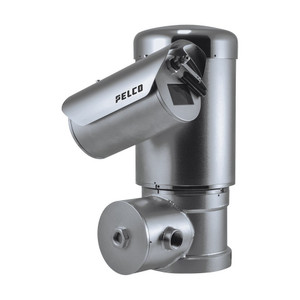
Pelco EXBE2-2X30QF18-SPT-M2G Explosion-Proof PTZ Camera
Dual 2MP visible + thermal PTZ for ATEX/IECEx hazardous zones
- 30× optical zoom with simultaneous 2MP visible and QVGA thermal imaging
- 360° continuous pan, -90° to +1° tilt with 256 preset positions
- 316L stainless steel, IP66/IP67/IP68/IP69 rated -40°C to +70°C
Usually Ships in 2-3 Weeks Free shipping over $499$33,913.04 $25,191.99 Save $8,721.05 -
Save $8,721.05

Pelco EXBE2-2X30QF18-SPT-M2G-1 Explosion-Proof PTZ
ATEX/IECEx dual-sensor PTZ for hazardous zones; 2MP visible + thermal fusion
- 30× optical zoom visible (4.3–129 mm) paired with QVGA thermal for simultaneous detection
- 316L stainless steel, IP66/IP67/IP68/IP69 rated; operates -40°C to +70°C
- 360° continuous pan, 256 presets, H.265/H.264 compression with Smart Analytics
Usually Ships in 2-3 Weeks Free shipping over $499$33,913.04 $25,191.99 Save $8,721.05 -
Save $8,721.05

Pelco EXBE2-2X30QF18-SPT-M5G Explosion-Proof Bispectral PTZ
Bispectral PTZ for hazardous zones with 30× zoom and thermal fusion
- 2 MP visible + QVGA thermal imaging with real-time fusion mode
- 30× optical zoom (4.3–129 mm) for identification in Zone 1/Zone 21
- 316L stainless steel, IP66–IP69, operating -40°C to +70°C
Usually Ships in 2-3 Weeks Free shipping over $499$33,913.04 $25,191.99 Save $8,721.05 -
Save $8,721.05

Pelco EXBE2-2X30QF18-SPT-M5G-1 Explosion-Proof Bispectral PTZ
Explosion-proof bispectral PTZ with 30× zoom for hazardous areas
- 2 MP visible + QVGA thermal (320×256) with fusion mode in one camera
- 30× optical zoom (4.3–129 mm) for identification at extended range
- ATEX/IECEx/UL certified; 316L stainless steel; IP66/IP67/IP68/IP69 rated
Usually Ships in 2-3 Weeks Free shipping over $499$33,913.04 $25,191.99 Save $8,721.05 -
Save $9,616.31
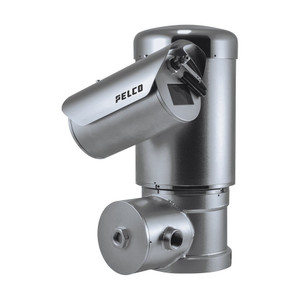
Pelco EXBE2-2X30VF14-SPT-ACG Explosion-Proof PTZ Camera
Explosion-proof bispectral PTZ with 30× zoom for hazardous zones
- 2 MP visible + VGA thermal fusion imaging with 30 fps simultaneous capture
- 360° pan, 30× optical zoom (4.3–129 mm), 256 presets for remote targeting
- ATEX/IECEx/UL certified, 316L stainless steel, IP66–IP69 for -40°C to +70°C
Usually Ships in 2-3 Weeks Free shipping over $499$37,391.30 $27,774.99 Save $9,616.31 -
Save $9,616.31

Pelco EXBE2-2X30VF14-SPT-ACG-1 Explosion-Proof Bispectral PTZ
Dual-sensor PTZ for hazardous zones with 30× zoom and thermal fusion
- 2 MP visible + VGA thermal (640×512) fusion imaging in single camera
- 30× optical zoom (4.3–129 mm) with 360° pan and 256 preset positions
- ATEX/IECEx/UL Zone 1 & 21 explosion-proof, 316L stainless steel housing
Usually Ships in 2-3 Weeks Free shipping over $499$37,391.30 $27,774.99 Save $9,616.31 -
Save $10,060.31

Pelco EXBE2-2X30VF14-SPT-M1G Explosion-Proof PTZ Camera
Bispectral PTZ for hazardous zones with 2MP visible + thermal imaging
- 2MP visible + VGA thermal (640×512) at 30fps with 30× optical zoom
- 360° pan, -90° to +1° tilt, 256 presets in 316L stainless steel IP68 housing
- ATEX/IECEx/UL certified for Zone 1 & Zone 21; H.265/H.264 compression
Usually Ships in 2-3 Weeks Free shipping over $499$37,391.30 $27,330.99 Save $10,060.31 -
Save $9,616.31
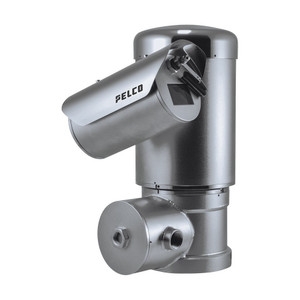
Pelco EXBE2-2X30VF14-SPT-M1G-1 Explosion-Proof PTZ Camera
Dual-sensor PTZ for hazardous zones with 2MP visible + thermal imaging
- 30× optical zoom (4.3–129 mm) with 360° pan and 256 preset positions
- 2 MP visible + VGA thermal fusion mode for simultaneous monitoring
- ATEX/IECEx/UL explosion-proof rated for Zone 1/21; -40°C to +70°C operation
Usually Ships in 2-3 Weeks Free shipping over $499$37,391.30 $27,774.99 Save $9,616.31 -
Save $9,616.31

Pelco EXBE2-2X30VF14-SPT-M2G Explosion-Proof Thermal PTZ
Dual-sensor thermal PTZ for ATEX/IECEx/UL hazardous-area surveillance
- 2 MP visible with 30× zoom + VGA thermal @ 30 fps in bispectral fusion
- 360° continuous pan, -90° to +1° tilt with 256 presets in 316L housing
- H.265/H.264 compression with Smart Analytics and object detection; -40°C to +70°C
Usually Ships in 2-3 Weeks Free shipping over $499$37,391.30 $27,774.99 Save $9,616.31 -
Save $9,616.31

Pelco EXBE2-2X30VF14-SPT-M2G-1 Explosion-Proof PTZ
Bispectral PTZ for hazardous areas with 30× zoom and ATEX/UL certification
- 2 MP visible + VGA thermal (640×512) with real-time fusion imaging
- 30× optical zoom (4.3–129 mm) with 360° pan and 256 presets
- ATEX/IECEx/UL Zone 1 & 21 rated; 316L stainless; -40°C to +70°C
Usually Ships in 2-3 Weeks Free shipping over $499$37,391.30 $27,774.99 Save $9,616.31 -
Save $9,616.31

Pelco EXBE2-2X30VF14-SPT-M5G Explosion-Proof Bispectral PTZ
Explosion-proof bispectral PTZ with 30× zoom for hazardous area surveillance
- 2 MP visible + VGA thermal (640×512) at 30 fps with real-time fusion mode
- 30× optical zoom (4.3–129 mm) with 360° pan and -90° to +1° tilt range
- ATEX/IECEx/UL certified for Zone 1 & 21; IP66–IP69; -40°C to +70°C operation
Usually Ships in 2-3 Weeks Free shipping over $499$37,391.30 $27,774.99 Save $9,616.31 -
Save $9,616.31

Pelco EXBE2-2X30VF14-SPT-M5G-1 Ex-Proof Bispectral PTZ
Bispectral PTZ for hazardous zones with 30× zoom and thermal VGA
- 2 MP visible + VGA 640×512 thermal in one 316L stainless housing
- 30× optical zoom (4.3–129 mm) with 360° pan and 256 presets
- ATEX/IECEx/UL certified for Zone 1 & 21; -40°C to +70°C operation
Usually Ships in 2-3 Weeks Free shipping over $499$37,391.30 $27,774.99 Save $9,616.31 -
Save $9,616.31

Pelco EXBE2-2X30VF24-SPT-ACG Explosion-Proof PTZ Camera
Explosion-proof bispectral PTZ with 30× zoom for hazardous zones
- 2 MP visible + VGA thermal imaging with real-time fusion mode
- 30× optical zoom (4.3–129 mm) with 360° pan and -90° to +1° tilt
- ATEX/IECEx/UL certified; 316L stainless steel; IP66/IP67/IP68/IP69 rated
Usually Ships in 2-3 Weeks Free shipping over $499$37,391.30 $27,774.99 Save $9,616.31 -
Save $13,502.49

Pelco EXBE2-2X30VF24-SPT-ACG-1 Explosion-Proof PTZ
Dual-sensor explosion-proof PTZ with 30× zoom for hazardous areas
- 2 MP visible + VGA thermal fusion imaging with 30× optical zoom
- ATEX/IECEx/UL certified for Zone 1 & 21 with 316L stainless steel
- 360° pan, -90° to +1° tilt, IP66/67/68/69, -40°C to +70°C operation
Usually Ships in 2-3 Weeks Free shipping over $499$28,043.48 $14,540.99 Save $13,502.49