
Showing Results for Batteries
-
Save $60.01

Datalogic 94ACC1386 Falcon X4 Battery 5200 mAh
Genuine 5200 mAh OEM battery for Falcon X4 mobile computers
- 5200 mAh capacity supports full-shift runtime in warehouse and retail scanning
- Hot-swap capable on supported models—replace without powering down the device
- Genuine Datalogic OEM design eliminates compatibility risk and safety hazards
Usually Ships in 2-3 Weeks Free shipping over $499$183.00 $122.99 Save $60.01 -

CipherLab B8200COV00004 8200 Battery Cover
IP54 battery cover for CipherLab 8200 series with 2D scan engines
- Protective battery cover for the CipherLab 8200 mobile computer
- Seals the battery compartment to IP54 dust and water-splash rating
- Compatible with linear, laser, and 2D imager 8200 variants
Usually Ships in 2-3 Weeks Free shipping over $499$2.99 -
Save $42.63

Cipherlab BRS36BAT00001 RS35/RS36 6000mAh Battery
6000mAh Li-ion battery for CipherLab RS35 and RS36 rugged devices
- Rechargeable Li-ion battery for RS35 and RS36 rugged mobile computers
- Replaceable module for warehouse and field operation power rotation
- IP65 host-compatible 4000mAh battery accessory
Usually Ships in 2-3 Weeks Free shipping over $499$175.62 $132.99 Save $42.63 -
Save $0.38

CipherLab BRS36BAT00004 RS35/RS36 4000mAh Replacement Battery
4000mAh Li-ion battery for CipherLab RS35/RS36 rugged mobile computers
- 4000mAh replacement battery for RS35 and RS36 mobile computers
- 3.85V nominal voltage matched to host power rails for stable runtime
- IP65 host-compatible battery module for warehouse use
In stock · Ships same business day Free shipping over $499$112.37 $111.99 Save $0.38 -
Save $0.20
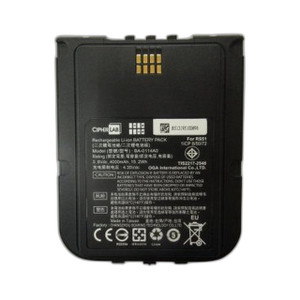
Cipherlab BRS51BATTERY2 RS51 Replacement Battery 4000mAh
4000mAh replacement battery for CipherLab RS51 rugged scanners
- 4000mAh replacement battery for the RS51 rugged mobile computer
- Reliable shift-long power for warehouse and field inventory work
- IP65 host-compatible battery accessory for RS51 deployment
In stock · Ships same business day Free shipping over $499$132.19 $131.99 Save $0.20 -
Save $9.25

Cipherlab KB16XX0X00501 Rechargeable Li-ion Battery 850mAh
850mAh Li-ion replacement battery for CipherLab mobile computers
- 850mAh Li-ion battery at 3.7V for full-shift warehouse scanning
- 500+ charge cycle life for long-term cost-per-cycle efficiency
- Rechargeable battery accessory with 2-year warranty
Usually Ships in 2-3 Weeks Free shipping over $499$40.24 $30.99 Save $9.25 -
Save $7.50

Cipherlab KB1A371800394 156X Battery
Replacement battery for CipherLab 156X handheld scanners
- 3.7V 800mAh lithium battery matched to original CipherLab charging profiles
- Drop-in module for 156X series scanners, no adapter required
- 0.070 lb battery accessory with 2-year warranty
Usually Ships in 2-3 Weeks Free shipping over $499$34.49 $26.99 Save $7.50 -
Save $42.48
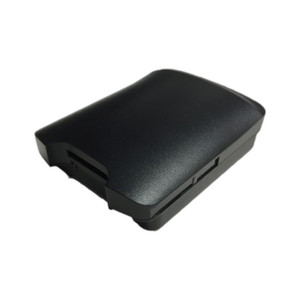
CipherLab KB1A372540BA3 5400mAh Extended Battery for 9700
5400mAh extended battery for CipherLab 9700 — 13+ hours per charge
- 5400mAh extended battery vs. standard 3600mAh for 9700 scanners
- Roughly 13+ hour continuous scanning runtime per charge cycle
- IP65 host-compatible battery for warehouse handhelds at 214 x 87 x 47 mm
In stock · Ships same business day Free shipping over $499$178.47 $135.99 Save $42.48 -
Save $11.74

CipherLab KB1B371200005 8200 Battery 1200mAh
1200mAh Li-ion replacement for CipherLab 8200 series handhelds
- 3.7V 1200mAh Li-ion battery for the CipherLab 8200 mobile platform
- Extended field-operation runtime for warehouse and logistics scanning
- IP54 host-compatible replacement battery at 150g weight
Usually Ships in 2-3 Weeks Free shipping over $499$51.73 $39.99 Save $11.74 -
Save $0.59
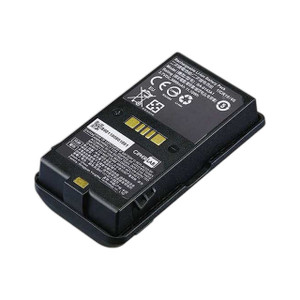
CipherLab KBRK250X00503 RK25 Replacement Battery
4000mAh Li-Polymer battery for CipherLab RK25 mobile computers
- 4000mAh battery for standard 8-10 hour warehouse shift coverage
- Removes mid-shift battery swaps in most RK25 deployments
- IP65 host-compatible battery for 168 x 73.8 x 26 mm device
In stock · Ships same business day Free shipping over $499$69.58 $68.99 Save $0.59 -
Save $35.81

Cipherlab KBRS381455501 RS38 4500mAh Battery
4500mAh Li-ion battery for CipherLab RS38 rugged mobile computers
- 4500mAh Li-ion battery for the RS38 rugged mobile computer
- Extended runtime for warehouse, logistics, and field service
- IP65 host-compatible battery for Qualcomm QCM4490 RS38 platform
In stock · Ships same business day Free shipping over $499$151.80 $115.99 Save $35.81 -
Save $42.11

Cipherlab KBRS381455502 RS38H 4500mAh Battery
4500mAh battery for CipherLab RS38H rugged handhelds
- 4500mAh battery for the CipherLab RS38H rugged mobile computer
- Consistent runtime for warehouse and field service workflows
- IP65 host-compatible Wi-Fi RS38H replacement battery
Usually Ships in 2-3 Weeks Free shipping over $499$177.10 $134.99 Save $42.11 -
Save $78.01
Cipherlab KBRS381690501 RS38 6800mAh Extended Battery
6800mAh extended battery for CipherLab RS38 rugged scanner
- 6800mAh extended hot-swap battery for the RS38 mobile computer
- 21+ hours runtime vs. 14+ on the standard 4500mAh battery
- IP65 host-compatible battery at 315g weight
Usually Ships in 2-3 Weeks Free shipping over $499$242.00 $163.99 Save $78.01 -
Save $11.61

Cipherlab KBWR306X11501 WR30 Battery 600 mAh
600 mAh OEM replacement battery for Cipherlab WR30 wearable scanners
- 600mAh battery for the WR30 wearable scanner platform
- Sustains 8-10 hour scanning shifts in warehouse pick-pack workflows
- Factory-standard form factor and connector for direct OEM replacement
Usually Ships in 2-3 Weeks Free shipping over $499$50.60 $38.99 Save $11.61 -
Save $0.01
Datalogic 91ACC0092 Skorpio X5 Standard Battery Pack
OEM battery for Skorpio X5 with hot-swap, no reboot needed
- Standard capacity with direct connector integration for Skorpio X5
- Hot-swap capability keeps device running during battery changes
- Genuine Datalogic OEM design ensures full compatibility and reliability
In stock · Ships same business day Free shipping over $499$131.00 $130.99 Save $0.01 -
Save $48.34
Datalogic 91ACC0093 Skorpio X5 Extended Battery Pack
OEM extended battery for Skorpio X5 with hot-swap capability
- Hot-swap design lets operators change batteries mid-shift without powering down
- Genuine Datalogic OEM construction ensures full compatibility with Skorpio X5
- Maintains charge cycle performance for predictable runtime across multi-shift operations
In stock · Ships same business day Free shipping over $499$146.33 $97.99 Save $48.34 -
Save $58.01
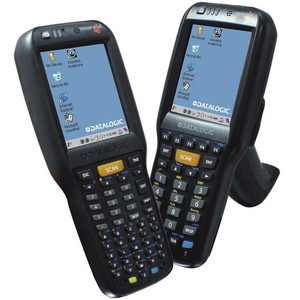
Datalogic 94ACC0046 Skorpio X5 5200 mAh High Capacity Battery
5200 mAh OEM battery for Skorpio X5 with hot-swap capability
- 5200 mAh capacity extends runtime between charges during full shifts
- Hot-swappable design swaps depleted batteries without powering down device
- Genuine Datalogic OEM component ensures compatibility and reliability
In stock · Ships same business day Free shipping over $499$176.00 $117.99 Save $58.01 -
Save $213.01

Datalogic 94ACC0164 Battery with Speaker and Cover
Genuine OEM battery, speaker & cover for Datalogic enterprise devices
- Hot-swap capable on compatible devices for uninterrupted workflow
- Integrated speaker and protective cover in single accessory unit
- Genuine Datalogic component meets factory specifications and standards
Usually Ships in 2-3 Weeks Free shipping over $499$645.00 $431.99 Save $213.01 -
Save $42.01
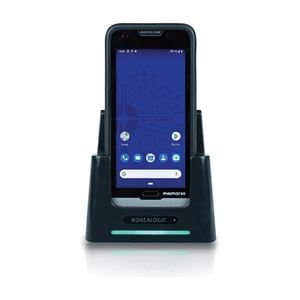
Datalogic 94ACC0245 Memor 20 Battery 4100 mAhr
Genuine 4100 mAhr OEM battery for Datalogic Memor 20 mobile computers
- 4100 mAhr capacity matches factory original for consistent runtime per charge
- Hot-swap design allows battery changes without powering down the device
- Genuine Datalogic OEM part manufactured to original safety and quality standards
In stock · Ships same business day Free shipping over $499$127.00 $84.99 Save $42.01 -
Save $0.01

Datalogic 94ACC0311 Memor K Spare Battery 3800 mAh
3800 mAh OEM battery for Datalogic Memor K mobile devices
- 3800 mAh capacity sustains 8–10 hours of warehouse scanning per shift
- Hot-swap capable on compatible firmware for zero-downtime battery swaps
- Genuine Datalogic engineering eliminates compatibility and thermal issues
In stock · Ships same business day Free shipping over $499$101.00 $100.99 Save $0.01 -
Save $0.01
Datalogic 94ACC0333 Memor 1 Replacement Battery
Genuine OEM lithium-ion battery for Memor 1 mobile computers
- Hot-swappable design keeps warehouse and field operations running without shutdown
- Manufactured to original Datalogic specifications for full Memor 1 compatibility
- Maintains original charge capacity and performance across multi-shift deployments
Usually Ships in 2-3 Weeks Free shipping over $499$66.00 $65.99 Save $0.01 -
Save $0.01
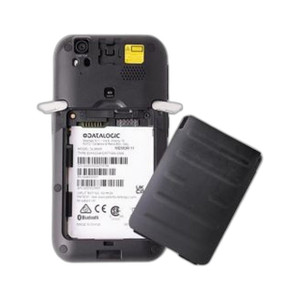
Datalogic 94ACC0370 Memor 11 Standard Battery
OEM Memor 11 battery with hot-swap design for continuous warehouse ops
- Genuine Datalogic part matches factory battery specs and cycle life
- Hot-swap capable — swap depleted battery without powering down device
- Compatible across all Memor 11 variants; one SKU covers entire fleet
In stock · Ships same business day Free shipping over $499$114.00 $113.99 Save $0.01 -
Save $0.01
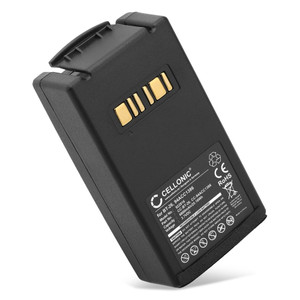
Datalogic 94ACC0386 Standard Battery for Memor 3X
OEM battery for Memor 3X with hot-swap support and 12–18 month lifespan
- Hot-swap capable on supported models—swap batteries without powering down
- Genuine Datalogic OEM part built to original factory specifications
- 12–18 months typical lifespan with consistent charge cycle performance
In stock · Ships same business day Free shipping over $499$143.00 $142.99 Save $0.01 -
Save $36.01
Datalogic 94ACC0410 Battery 4000 mAh Wireless Charging
4000 mAh genuine Datalogic battery with wired and wireless charging
- 4000 mAh capacity supports extended runtime across multi-shift operations
- Hot-swap capable on compatible devices for uninterrupted workflow
- Genuine OEM replacement engineered to original Datalogic specifications
In stock · Ships same business day Free shipping over $499$110.00 $73.99 Save $36.01 -
Save $38.01
Datalogic 94ACC0414 Memor 17 Battery HC
OEM high-capacity battery for Memor 17 with hot-swap capability
- High-capacity formulation extends runtime per charge in multi-shift operations
- Hot-swap design lets you swap batteries without powering down the device
- Genuine Datalogic OEM construction matches factory specifications exactly
Usually Ships in 2-3 Weeks Free shipping over $499$116.00 $77.99 Save $38.01 -
Save $23.01
Datalogic FBP-PM91 Fixed Battery Pack
Genuine OEM lithium-ion battery for Datalogic enterprise devices
- Fixed battery design with hot-swap capability for uninterrupted shifts
- Original factory capacity and charge cycle specs eliminate compatibility risk
- IP65-rated construction complies with EU and China RoHS standards
Usually Ships in 2-3 Weeks Free shipping over $499$70.00 $46.99 Save $23.01 -
Save $21.01
Datalogic Memor 1/Joya Touch Battery 1-Pack - 91ACC0055
Genuine OEM battery for Joya Touch 22 with hot-swap capability
- Hot-swap design replaces battery without powering down the device
- Genuine Datalogic OEM part matches factory battery specs and longevity
- Single replacement battery unit for Joya Touch 22 mobile terminals
Usually Ships in 2-3 Weeks Free shipping over $499$66.00 $44.99 Save $21.01 -
Save $28.01

Datalogic Memor K Battery 4850 mAh 94ACC0420
4850 mAh OEM battery for Memor K20-K25 mobile computers
- 4850 mAh capacity sustains full-shift operations in warehouse and retail
- Hot-swap capable—swap batteries without powering down the device
- Genuine Datalogic OEM construction ensures compatibility and reliability
Usually Ships in 2-3 Weeks Free shipping over $499$87.00 $58.99 Save $28.01 -
Save $9.01
Datalogic RBP-6400 Removable Battery Pack RBP-DBT6X
OEM replacement battery for Datalogic RIDA with hot-swap capability
- Lithium-Ion 700 mAh capacity with removable design for field replacement
- Hot-swap capable for continuous operation without powering down the device
- Genuine OEM engineering ensures full compatibility with RIDA mobile devices
Usually Ships in 2-3 Weeks Free shipping over $499$29.00 $19.99 Save $9.01 -
Save $0.01

Datalogic RBP-GM40 Gryphon Replacement Battery Pack
Genuine OEM battery for Gryphon 4XX0 barcode scanners with hot-swap
- Hot-swap capable on supported devices—swap mid-shift without powering down
- Factory-spec capacity and charge cycles match original battery performance
- Fits entire Gryphon 4XX0 series for standardized fleet spare inventory
In stock · Ships same business day Free shipping over $499$33.00 $32.99 Save $0.01 -
Save $9.01
Datalogic RBP-GM4200 Gryphon 4200 OEM Battery Pack
OEM replacement battery for Gryphon 4200 mobile terminals
- Hot-swap removable design keeps scanning operations running without shutdown
- Factory-spec capacity and charge cycles match original battery performance
- Genuine Datalogic OEM component ensures full device compatibility
In stock · Ships same business day Free shipping over $499$29.00 $19.99 Save $9.01 -
Save $15.01

Datalogic RBP-GM45 Gryphon 45 Removable Battery 3250mAh
3250mAh hot-swap battery for Datalogic Gryphon handhelds
- Remove and replace without powering down—keeps scanning ops running
- 6–8 hours runtime per charge in scan-intensive warehouse environments
- Genuine OEM construction matches factory specs and device compatibility
In stock · Ships same business day Free shipping over $499$46.00 $30.99 Save $15.01 -
Save $27.01
Datalogic RBP-PM91 PowerScan Removable Battery Pack
OEM replacement battery for PowerScan handhelds with hot-swap capability
- 3250mAh removable pack swaps without powering down the device
- Genuine Datalogic part ensures compatibility across PowerScan scanner line
- IP52-rated design built for warehouse, retail, and field service use
In stock · Ships same business day Free shipping over $499$82.00 $54.99 Save $27.01 -
Save $23.01

Datalogic RBP-PM91-BK PowerScan Removable Battery Pack
Genuine OEM battery pack for Datalogic PowerScan scanners with hot-swap
- Hot-swappable on compatible PowerScan models—change batteries without shutdown
- Maintains factory capacity across full rated charge cycle lifespan
- OEM component engineered to original electrical and safety standards
In stock · Ships same business day Free shipping over $499$70.00 $46.99 Save $23.01 -
Save $29.01
Datalogic RBP-PM91-LK PowerScan Removable Battery Pack
Hot-swap battery pack for PowerScan with secure lock mechanism
- 3250mAh removable design swaps without powering down the device
- Mechanical lock prevents accidental ejection during scanning operations
- Genuine OEM part compatible with Datalogic PowerScan Enterprise hardware
In stock · Ships same business day Free shipping over $499$89.00 $59.99 Save $29.01 -
Save $0.01

Datalogic RBP-PM96 PowerScan Replacement Battery Pack
Genuine OEM battery for PowerScan terminals with hot-swap support
- Factory-matched capacity and charge cycles eliminate runtime guesswork
- Hot-swap capable on compatible models for uninterrupted scanning operations
- Original equipment component reduces device compatibility and performance risk
In stock · Ships same business day Free shipping over $499$70.00 $69.99 Save $0.01