
How to Choose the Right Rugged Mobile Computer
A technical buyer's guide for warehouse engineers, operations managers, retail IT, and field service leads specifying rugged handheld, gun-style, vehicle-mounted, and wearable mobile computers. Covers OS and support lifecycle, scan engine class, screen and ergonomics, drop and IP ratings, battery life, and connectivity matched to indoor, outdoor, and cold-chain deployments.
In This Guide
Mobile computers are the most-used hardware in warehouse, retail, and field service operations. They also have the highest failure rate of any deployed device, and the failure cost (downtime, re-scanning, re-keying, lost picks) is five to ten times the hardware cost. The specifications that matter for longevity are rarely the specs vendors lead with. Choosing the right form factor, scan engine class, OS with real extended support, and battery strategy is what determines whether the deployment runs quietly for seven years or generates help-desk tickets daily.
Key Specifications Explained
Operating System and Support Lifecycle
Enterprise Android (with GMS or AOSP) is the dominant OS. The critical factor is vendor commitment to security updates and OS upgrades, which is separate from what Android itself supports. Zebra, Honeywell, Datalogic, and CipherLab commit to 5-7 year security update windows for enterprise models; consumer-grade or white-label Android devices typically end after 2-3 years, leaving the device stuck on an unpatched OS version.
Confirm the specific model has an extended support agreement with OS upgrade commitments. For device management, verify compatibility with your MDM/EMM platform (SOTI MobiControl, VMware Workspace ONE, Ivanti Avalanche, SOTI Remote Control for remote support).
Scan Engine Class
Scan engine choice determines reliability in the actual work environment. Camera-based scanners (using the rear camera) work for light retail use but slow down in low light and struggle with damaged or poorly printed codes. Dedicated imagers (Zebra SE4710, Honeywell N6703) are standard mid-range with 1D/2D support to 12-14 inches.
Long-range imagers (SE4750/SE4770) reach 60+ feet for high-rack warehouse scanning. For pharmacy and healthcare, specify engines that handle extremely small Data Matrix and GS1 codes. Test the actual scan engine against your real barcode quality (damaged, wrinkled, poorly printed labels) during pilot; do not rely on ideal-conditions specs.
Form Factor: Handheld, Gun-Style, Vehicle-Mount, Wearable
Handheld ("brick" or slate) mobile computers are general-purpose. They suit mixed-use workers balancing scanning, data entry, and voice picking. The physical keypad option matters in gloved or cold environments where touchscreens are hit-or-miss.
Gun-style (pistol-grip) mobile computers optimize for high-volume scanning. The trigger reduces operator fatigue in pick/pack operations scanning 500+ items per shift. Heavier than handheld, they are less comfortable for extended text input.
Vehicle-mounted computers lock onto forklifts and ride-along equipment, handling the vibration and impact profile of industrial equipment. Wearable computers (wrist-mount or HUD-style) enable hands-free voice picking and RF-directed workflows; they pair with finger-worn ring scanners.
Drop and IP Ratings
Drop spec measures survival after a flat drop from height to concrete. 4-foot drops are typical for office-grade devices; 6-foot for mid-range rugged; 8-foot for heavy-duty. Tumble specs (e.g., 2,000 tumbles at 1.6 ft) measure repeated lower-height drops that occur when devices are passed between operators or placed on steel racks.
IP54 suits indoor dry environments only. IP65 is the warehouse standard, handling dust and water splashes. IP67 handles temporary immersion and is required for outdoor, cold-chain, and wet-processing environments. IP68 adds extended immersion rating. For cold storage (-22°F), specify cold-chain-rated models with internal heaters for the display and battery.
Screen: Size, Resolution, Sunlight, Glove Mode
Screen size directly affects form factor weight. 5-inch screens are compact and light; 5.5-6 inch screens match handheld phone ergonomics. Resolution should be at least 720p for workflow apps; 1080p improves map and image display. Sunlight-readable displays (800+ nits) are required for any outdoor use; standard displays wash out at 400 nits in direct sun.
Glove-mode touch (capacitive tuned for gloved fingers) is essential for cold storage, construction, and food processing workers. Wet-screen operation (rejecting false touches from water droplets) matters for washdown environments. Test actual glove interaction during pilot; specs overstate real-world performance.
Battery Life and Hot-Swap
Published battery life is measured under ideal conditions (50% screen, Wi-Fi only, minimal scanning). Realistic life in a full-shift pick operation is 50-70% of published. An 8-hour-rated battery running heavy scan-and-print with 4G on delivers 4-5 hours.
For shifts over 8 hours or multi-shift operations, specify hot-swappable batteries with spare battery pools in charging cradles. Budget two batteries per device. For vehicle-mounted computers, specify direct DC power from the vehicle with battery backup for power interruptions.
Connectivity: Wi-Fi, 4G/5G, Bluetooth, NFC
Wi-Fi 6 (802.11ax) is the new baseline for enterprise deployments, offering better performance in dense-device environments (100+ devices per AP). Wi-Fi 6E adds 6 GHz spectrum. Verify AP compatibility before deploying; older APs limit device performance regardless of radio capability.
For field service, delivery, and direct-store-delivery (DSD), 4G/5G cellular is essential. Specify devices with dual SIM (eSIM + physical) for carrier flexibility. NFC enables badge-based login and customer-facing tap-to-pay in retail. Bluetooth 5.x extends range and handles multi-peripheral connections (headset, finger scanner, label printer) simultaneously.
Accessories and Ecosystem
Total cost of ownership includes charging infrastructure, spare batteries, protective boots, vehicle mounts, hand straps, and finger/ring scanners. Budget 20-40% of device cost for accessories. For voice-directed picking, add approved headsets with dedicated microphone noise cancellation. For high-volume operations, deploy multi-bay charging cradles that store and charge 8-16 devices and batteries. Standardize on a single device model per site to simplify spares and training.
Security, Certifications, and Compliance
Enterprise deployments require EMM/MDM enrollment, dedicated app allowlists, encrypted storage, and remote wipe. For healthcare, verify HIPAA-compliant device management. For retail accepting payment, PCI PTS certification may apply if the device captures payment credentials. For federal/government, NDAA Section 889 restrictions apply to certain chipsets. For FIPS 140-2 compliance, verify the specific device and firmware version. For logistics and TSA-regulated cargo, check the device supports the required audit-logging and secure boot.
Featured Mobile Computers
Top-selling mobile computers in stock, selected by our technical team.
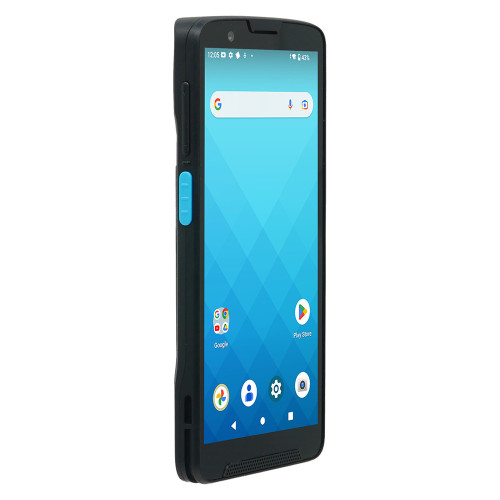
Unitech America EA660-LANFTMDG-Z3 Wearable Wi-Fi Scanner
EA660-LANFTMDG-Z3
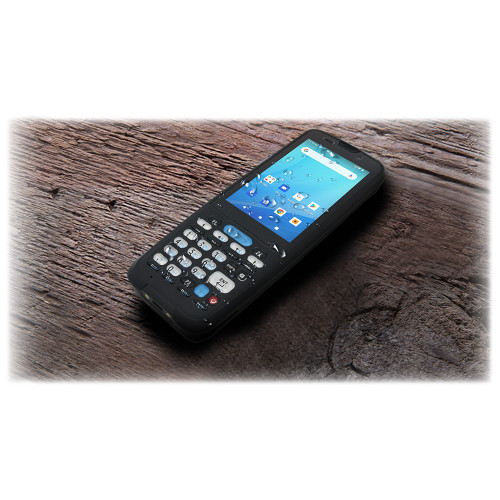
Unitech America HT330-NAL2TM3G-AZ3-NB Wearable Bluetooth Scanner
HT330-NAL2TM3G-AZ3-NB
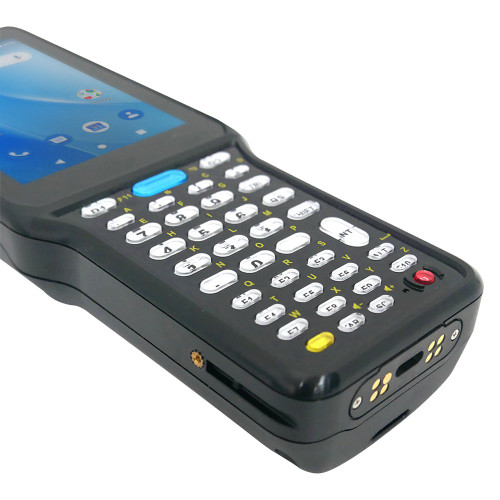
Unitech America HT730-LJ6122BG-AZ3 2D Wearable Scanner
HT730-LJ6122BG-AZ3
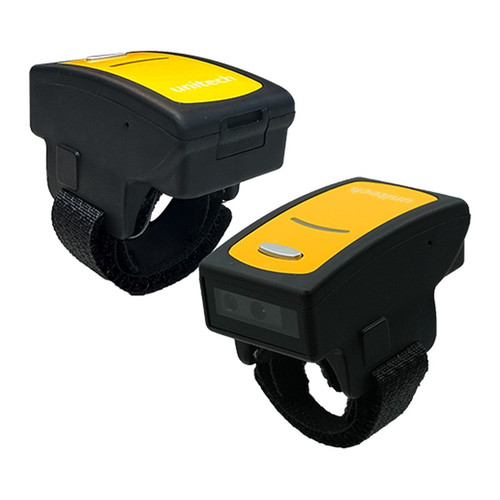
Unitech America MS626-PUBB00-SG-AZ3 Mobile Computer
MS626-PUBB00-SG-AZ3
Deployment Scenarios
Warehouse Pick and Pack
High-volume pick operations scanning 300-800 items per shift benefit from gun-style or pistol-grip designs with dedicated long-range imagers. Recommended: gun-style mobile computer with SE4750 long-range engine, 6,000 mAh hot-swap battery, IP65, 6-foot drop, Wi-Fi 6, mounted in multi-bay charging cradles between shifts. Pair with mobile label printers and handheld scanners as backups.
Voice-Directed Picking
Voice-directed (pick-to-voice, put-to-voice) workflows require wearable devices with headsets and finger-worn ring scanners. Recommended: wearable mobile computer on arm band, Bluetooth ring scanner on dominant hand, noise-canceling headset, 10-12 hour battery, Wi-Fi 6 with seamless roaming, integrated with voice-picking platform (Honeywell Voice, Vocollect, Lucas). Glove-mode touch required for cold environments.
Forklift and Vehicle-Mounted
Forklift operators, stock pickers, and reach trucks use fixed-mount vehicle computers for continuous visibility into the WMS. Recommended: vehicle-mounted mobile computer with 10-12 inch sunlight-readable touchscreen, integrated scanner or remote tethered scanner, IP65, vibration-rated, direct 12-48VDC with battery backup, Wi-Fi 6 + optional 4G for yard operations. Standardize mounting hardware across the fleet.
Field Service and Direct Store Delivery
Field service technicians and delivery drivers need 4G/5G cellular, printer integration for proof-of-delivery, and drop-resistant construction. Recommended: handheld device with 5G capability, dual SIM, 1080p sunlight-readable screen, 6-foot drop, IP67 for weather, integrated camera for damage photos, Bluetooth to vehicle-mounted or belt-clip mobile receipt printer. Vehicle charger kit with power management for fleet vehicles.
Cold Chain and Freezer
Cold storage picking in freezer environments (-22°F) requires cold-rated devices with internal heaters for the screen and battery. Recommended: handheld or gun-style rated for -22°F operation, IP65, cold-chain battery (lithium chemistry tuned for low temp), glove-mode touch, sealed against condensation during warm-up. Use charging cradles staged outside the freezer to prevent condensation damage. Budget extra battery rotation; cold-chain battery life is 30-40% of warm environment.
Retail and POS Augmentation
Retail associates using mobile POS, inventory, endless-aisle, and assisted selling need consumer-grade ergonomics with enterprise durability. Recommended: compact handheld with 5-inch screen, camera-based or integrated scanner, NFC for payments, IP54, 4-foot drop, Wi-Fi 6. For payment acceptance, verify PCI PTS certification. For seasonal staff rotation, select devices with strong MDM enrollment workflows to provision quickly. Pair with ceiling-mount indoor cameras for loss prevention coverage.
More Top-Selling Mobile Computers
Additional mobile computer models for various form factors and environments.
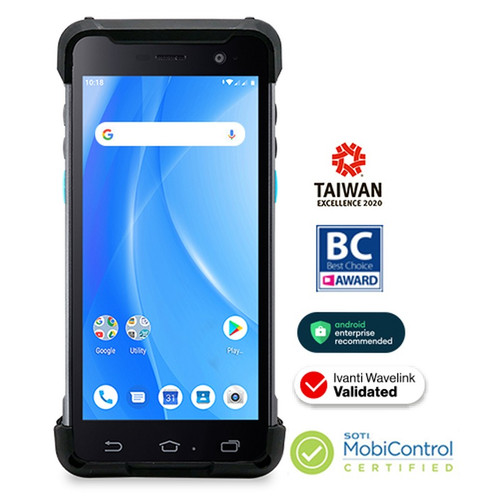
Unitech America PA760-W100UMDG-Z2 Mobile Computer
PA760-W100UMDG-Z2
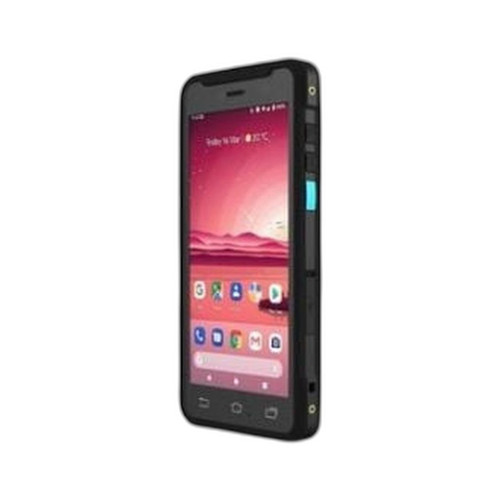
Unitech America PA760-W1LFRMDG-AZ3 Mobile Computer
PA760-W1LFRMDG-AZ3
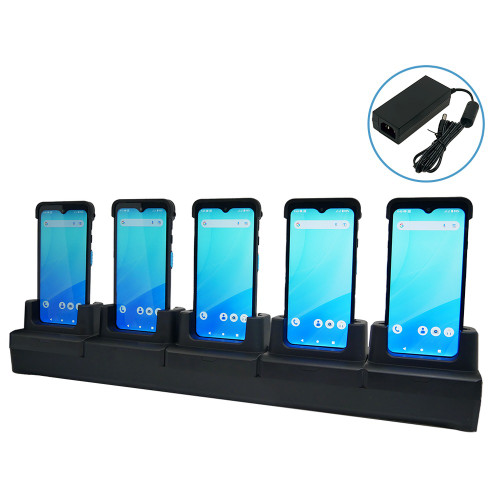
Unitech America PA768-HJ6CTMDG-Z3 Wearable Scanner
PA768-HJ6CTMDG-Z3
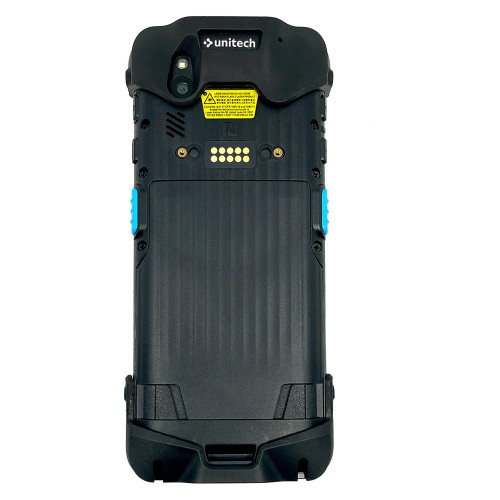
Unitech America PA768-HJLFTM3G-Z3 Wearable Scanner
PA768-HJLFTM3G-Z3
Common Mistakes to Avoid
- Buying consumer Android devices for warehouse use. Consumer devices have 2-3 year OS support windows, non-ruggedized construction, and no dedicated scan engines. They generate 3-5x the help desk tickets of enterprise devices and fail within 18 months in warehouse conditions.
- Specifying camera-based scanning for high-volume picking. Camera scanners degrade in low light, require autofocus time, and have 60-70% of the scan speed of a dedicated imager. For 500+ scans per shift, specify dedicated imager engines.
- Skipping hot-swap batteries for multi-shift operations. 24/7 and multi-shift operations cannot wait 2-4 hours for a device to charge. Without hot-swap capability, you need 2-3x the device count to maintain coverage.
- Standardizing only on devices without matching chargers and mounts. A 500-device deployment with 200 charging cradles causes queues at shift change. Specify chargers at 60-80% of device count, plus spare battery pools.
- Ignoring EMM/MDM compatibility. Devices that do not enroll cleanly into your MDM require manual provisioning per unit, which takes 30-60 minutes per device plus ongoing support. Always verify MDM enrollment workflow in pilot.
- Overlooking sunlight readability on outdoor/yard roles. Indoor-rated screens (400 nit) wash out completely in direct sun. Field service, yard management, and outdoor inventory require 800+ nit screens.
- Not matching Wi-Fi infrastructure to device capability. Wi-Fi 6 devices behind Wi-Fi 5 APs perform at Wi-Fi 5 speeds. Confirm switching and AP capability supports the devices you specify.
What to Ask Your Integrator
- What is the vendor's OS update and security patch commitment for each proposed device model, and for how many years?
- How does the device enroll into our MDM/EMM? Is there a zero-touch provisioning workflow?
- What is the scan engine model, and has it been tested against our actual barcode samples (damaged, low-contrast, outdoor faded)?
- For cold chain or outdoor deployments: has the device been tested at the actual temperature extremes we operate at?
- Is the battery strategy sized for shift length plus buffer? How many spare batteries per device?
- What accessories are bundled (charging cradle, hand strap, boot, mount), and what are the replacement parts lead times?
- How will devices be repaired in field? What is the depot turnaround time?
- For payment-accepting retail devices: is PCI PTS compliance documented for the specific hardware revision?
Quick Comparison: Mobile Computer Tiers
| Specification | Light-Duty | Mid-Range Rugged | Heavy-Duty Rugged |
|---|---|---|---|
| OS | Android 11-13 | Android 13-14 (GMS) | Android 14 + extended support 5-7 years |
| Scan Engine | Camera-based 1D/2D | SE4710 mid-range 1D/2D | SE4750/SE4770 long-range 1D/2D |
| Screen | 5-6 in, 720p | 5-6 in, 1080p with glove mode | 5-6 in, 1080p, sunlight readable, glove |
| Drop Spec | 4 ft to concrete | 6 ft to concrete + 2,000 tumbles | 8 ft to concrete + 3,000 tumbles |
| IP Rating | IP54 | IP65 | IP67 or IP68 |
| Operating Temp | 14 to 122°F | -4 to 122°F | -22 to 140°F for cold chain |
| Battery | 4,000 mAh, 8 hr | 5,000 mAh, 10-12 hr | 7,000 mAh swappable, 12-14 hr + hot-swap |
| Connectivity | Wi-Fi 5/6, Bluetooth 5.0 | Wi-Fi 6, Bluetooth 5.2, NFC, optional 4G | Wi-Fi 6E, Bluetooth 5.3, NFC, 4G/5G |
| Typical Price Range | $600 - $1,200 | $1,200 - $2,200 | $2,200 - $3,800+ |
Frequently Asked Questions
What's the difference between a mobile computer and a rugged handheld scanner?
A mobile computer is a handheld device running an operating system (typically Android) with a built-in scanner, display, keyboard or touchscreen, Wi-Fi, Bluetooth, and optional cellular, used for running full picking, inventory, and proof-of-delivery apps. A rugged handheld scanner only reads barcodes and transmits them to a connected PC or tablet, with no onboard app execution. Mobile computers replace entire workflows; scanners augment existing ones. Prices are $1,000-3,500 for mobile computers vs $200-900 for scanners.
Should I choose Android or Windows for mobile computers?
Android dominates the current market with a large app ecosystem, modern security updates, and broad vendor support from Zebra, Honeywell, Panasonic, and others. Windows Embedded and Windows Mobile are legacy platforms and are being phased out, though some warehouse and healthcare shops remain on Windows CE/WM for legacy app compatibility. For new deployments, choose Android Enterprise or Android-powered rugged devices. For replacement of existing Windows-based fleets, confirm your WMS or ERP vendor has a supported Android client before migrating.
What drop rating and IP rating do I need?
For retail and light warehouse, 4-foot drop to concrete (1.2m) and IP54 is adequate. For full warehouse, shipping docks, and manufacturing floors, aim for 5-6 foot drop (1.5-1.8m) and IP65 for dust and water jet resistance. For cold storage, food processing, and outdoor delivery, look for IP67 submersion ratings and operating temperatures down to -4F (-20C). Devices with internal gel pack or heated displays handle freezer use without fogging. Ask the vendor for MIL-STD-810G test documentation, not just marketing claims.
How long should the battery last in a mobile computer?
Target an 8-12 hour shift on a single charge under typical workload. Swappable hot-swap batteries extend this to multi-shift operations without returning to a charger. For heavy scanning and LTE use, some devices drop below 8 hours, so spare batteries and quick-charge cradles become essential. Check real-world battery tests from your vendor, not just spec sheets, because published battery life often assumes Wi-Fi off, screen dimmed, and no scanning. Battery life degrades 20-30% per year, so buy with extra capacity on day one.
Do I need a pistol-grip trigger handle?
Pistol-grip trigger handles reduce wrist fatigue during heavy scanning, letting workers aim like a scanner gun rather than rotating the wrist to point the device. They add $100-300 and are recommended for warehouse picking, receiving, and any role doing 1,000+ scans per shift. For light scanning (under 300 scans/shift) such as retail inventory, a standard slate form factor without grip is adequate. Some models support snap-on trigger handles so you can purchase grips only for staff who need them.
What's the best scanner engine for long-range warehouse picking?
Zebra SE4750 and SE4770, Honeywell N6703 and N6803FR, and Datalogic 3.0 and 4.0 imagers all support 2-30 foot scan range on 100% UPC codes and up to 50 feet on larger 2D codes. The Zebra SE55 Advanced Range pushes to 70 feet on large codes, ideal for top-rack pallet labels. Specify range at the actual label size you use, and ask for a demo unit to test in your warehouse before committing to a fleet purchase.
Ready to Specify Your Mobile Computers?
Share your operation type, shift schedule, scanning volume, environmental conditions, and connectivity needs. We will recommend the right form factor, scan engine, and accessory package for each role.