
Showing Results for Specialty Labels
-
Save $94.01
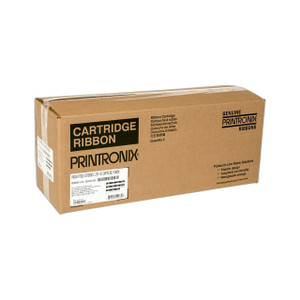
Printronix 260231-401 Specialty Label Ribbon - 4-Pack
Black specialty resin ribbon for Printronix P7000/P8000 label printers
- Black resin ribbon for impact line-matrix specialty label printing
- 11,360 page yield per cartridge under standard label conditions
- Impact line-matrix print method for specialty label stock
Usually Ships in 2-3 Weeks Free shipping over $499$419.00 $324.99 Save $94.01 -
Save $114.01

Printronix 41U1680-PTX P8000 P7000 Specialty Label Ribbon - 6-Pack
6-pack thermal transfer ribbons for Printronix P8000/P7000 label printers
- 6-pack ultra-capacity ribbon for P8000 and P7000 thermal printers
- 6-million-character duty cycle reduces ribbon swap frequency
- Thermal transfer label ribbon with 1-year warranty
In stock · Ships same business day Free shipping over $499$498.00 $383.99 Save $114.01 -
Save $356.98

Sato DuraMark Polyester Label - SR30LT-53082
2"x1" gloss polyester labels, 5,800 per roll for thermal transfer
- SF300 DuraMark polyester with permanent acrylic adhesive resists moisture, oils, and solvents
- 46,400 labels per case (8 rolls) with 3" core for SATO industrial printers
- UL capable when used with SATO R333A or R435B resin ribbons
Usually Ships in 2-3 Weeks Free shipping over $499$945.97 $588.99 Save $356.98 -
Save $0.86
SATO SF00LD-20012 4x2 Thermal Transfer Paper Label
4" x 2" thermal transfer paper labels, 1,000 per roll for industrial printing
- Permanent acrylic adhesive bonds reliably to cartons, packaging, and product surfaces
- 1,000 labels per roll in continuous format for uninterrupted high-speed printing
- Compatible with wax, wax-resin, and resin ribbons for barcode and text output
Usually Ships in 2-3 Weeks Free shipping over $499$72.85 $71.99 Save $0.86 -
Save $0.99
SATO SF00LD-20015 4x4 Thermal Transfer Paper Label
4x4 thermal transfer paper labels, 4,000 per case for industrial printing
- Permanent acrylic adhesive bonds reliably to surfaces in warehouse and logistics
- Compatible with wax, wax-resin, and resin ribbons across SATO printer series
- Continuous format, 1,000 labels per roll, 3" core for high-speed uninterrupted runs
Usually Ships in 2-3 Weeks Free shipping over $499$174.98 $173.99 Save $0.99 -
Save $0.68
SATO SF00LD-20018 4x6 Thermal Transfer Paper Label
4x6 thermal transfer paper labels, 4,000 per case for industrial printing
- Permanent acrylic adhesive bonds reliably to cartons, packages, and surfaces
Usually Ships in 2-3 Weeks Free shipping over $499$184.67 $183.99 Save $0.68 -
Save $0.87
SATO SF00LT-10049 4x2 Thermal Transfer Paper Label
4"×2" thermal paper labels, 4,000 per case for SATO printers
- 4,000 labels per case (4 rolls × 1,000) wound on 3" cores
- Permanent acrylic adhesive compatible with wax, wax-resin, resin
- Thermal transfer paper for crisp barcode and asset tag printing
Usually Ships in 2-3 Weeks Free shipping over $499$157.86 $156.99 Save $0.87 -
Save $0.31
SATO SF00LT-10053 4x4 Thermal Transfer Paper Label
4x4 thermal transfer paper labels, 4,000 per case for industrial printing
- 1,000 labels per roll on 3" core; four rolls per case for high-volume operations
- Permanent acrylic adhesive bonds to corrugated, plastic, and metal surfaces reliably
- Compatible with wax, wax-resin, and resin ribbons for SATO industrial printers
Usually Ships in 2-3 Weeks Free shipping over $499$75.30 $74.99 Save $0.31 -
Save $0.62
SATO SF00LT-10058 4x6 Thermal Transfer Paper Label
4x6 thermal transfer paper labels, 4,000 per case for high-volume printing
- 1,000 labels per roll on 3" core; 4 rolls per case for SATO printer compatibility
- Continuous format with permanent acrylic adhesive for reliable carton and packaging adhesion
- Compatible with wax, wax-resin, and resin ribbons for flexible printing options
Usually Ships in 2-3 Weeks Free shipping over $499$126.61 $125.99 Save $0.62 -
Save $0.46
SATO SF00LT-10182 4x6 Thermal Transfer Paper Label
4x6 thermal transfer paper labels, 4,000 per case for SATO printers
- Permanent acrylic adhesive bonds to cardboard, plastic, metal, coated surfaces
- Compatible with wax, wax-resin, and resin ribbons for flexible print options
- 3" core / 8" OD roll configuration wound for continuous uninterrupted printing
Usually Ships in 2-3 Weeks Free shipping over $499$150.45 $149.99 Save $0.46 -
Save $0.51
SATO SG15LT-10211 4x2 Thermal Transfer Paper Label
4"×2" thermal transfer paper labels, 4,000/case for SATO printers
- Permanent acrylic adhesive bonds reliably to cartons, pallets, and assets
- 1,000 labels per roll × 4 rolls minimizes changeovers in high-volume ops
- Compatible with wax, wax-resin, and resin ribbons for printing flexibility
Usually Ships in 2-3 Weeks Free shipping over $499$90.50 $89.99 Save $0.51 -
Save $0.51
SATO SG15LT-10216 4x2 Thermal Transfer Paper Label
4"x2" thermal transfer paper labels, 4,000 per case for industrial use
- 4" x 2" thermal-transfer paper labels — 1,000/roll, 4,000/case
- 1.5" core / 4.375" OD spool fits SATO desktop industrial printers
- Permanent acrylic adhesive + perforated for tear-off dispensing
Usually Ships in 2-3 Weeks Free shipping over $499$94.50 $93.99 Save $0.51 -
Save $0.45
SATO SG15LT-10217 3x2 Thermal Transfer Paper Label
3x2 thermal paper labels, 4,000/case, permanent adhesive for industrial use
- 1,000 labels per roll × 4 rolls; perforated between labels for easy dispensing
- Works with wax, wax-resin, and resin ribbons on SATO industrial printers
- Permanent acrylic adhesive bonds to cartons, plastic, and corrugated surfaces
Usually Ships in 2-3 Weeks Free shipping over $499$73.44 $72.99 Save $0.45 -
Save $0.63
SATO SG15LT-10218 4x4 Thermal Transfer Paper Label
4"×4" thermal transfer paper labels, 4,000/case for SATO printers
- Permanent acrylic adhesive bonds reliably to cartons, packages, and surfaces
- 1,000 labels per roll on 1.5" cores; perforated for efficient dispensing
- Compatible with wax, wax-resin, and resin ribbons for flexible printing options
Usually Ships in 2-3 Weeks Free shipping over $499$90.62 $89.99 Save $0.63 -
Save $0.76
SATO SG15LT-10219 3x5 Thermal Transfer Paper Label
3"×5" thermal transfer paper labels, 4,000 per case for industrial printing
- Permanent acrylic adhesive bonds reliably across surfaces and temperature ranges
- Compatible with wax, wax-resin, and resin ribbons for print durability options
- 1.5" core diameter winds on standard SATO industrial printer spools
In stock · Ships same business day Free shipping over $499$50.75 $49.99 Save $0.76 -
Save $0.61
SATO SG15LT-10220 4x3 Thermal Transfer Paper Label
4x3 thermal transfer paper labels, 4,000 per case for industrial printing
- Permanent acrylic adhesive holds on warehouse, manufacturing, and logistics items
- 1,000 labels per roll with 1.5" core; four rolls ship per case
- Compatible with wax, wax-resin, and resin ribbons for SATO printers
Usually Ships in 2-3 Weeks Free shipping over $499$90.60 $89.99 Save $0.61 -
Save $66.68
SATO SG15LT-10235 4x2 Thermal Transfer Paper Label
4x2 thermal transfer paper labels, 4,000 per case for SATO printers
- Permanent acrylic adhesive bonds to corrugated, plastic, and metal surfaces
- Compatible with wax, wax-resin, and resin ribbons for flexible printing
- 1,000 labels per roll on 3" core; perforated for clean dispensing
Usually Ships in 2-3 Weeks Free shipping over $499$263.67 $196.99 Save $66.68 -
Save $58.74
SATO SG15LT-10236 4.25x2 Thermal Transfer Label
4.25x2 thermal transfer labels, 4,000 per case for high-volume ops
- Permanent acrylic adhesive bonds to boxes, cartons, and warehouse surfaces
- Compatible with wax, wax-resin, and resin ribbons (T101A, T110A, R333A)
- 1,000 labels per roll on 3" core; four rolls per case for SATO printers
Usually Ships in 2-3 Weeks Free shipping over $499$235.73 $176.99 Save $58.74 -
Save $60.46
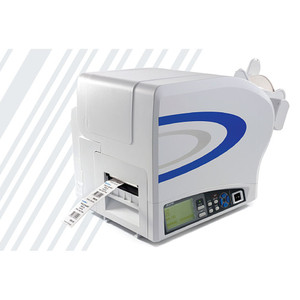
SATO SG30LT-10233 4x2 Thermal Transfer Paper Label
4"×2" thermal transfer paper labels, 4,000 per case for SATO printers
- 1,000 labels per roll on 3" core; permanent acrylic adhesive for cartons
- Compatible with wax, wax-resin, and resin ribbons for varied durability needs
- Thermal transfer paper with sharp barcode and text reproduction capability
Usually Ships in 2-3 Weeks Free shipping over $499$241.45 $180.99 Save $60.46 -
Save $0.26
SATO SG30LT-10234 4.25x2 Thermal Transfer Label
4.25x2 thermal transfer labels, 4,000 per case, permanent adhesive
- 4,000 labels per case across four 1,000-label rolls for high-volume runs
- Permanent acrylic adhesive bonds to cartons, plastic, and metal surfaces
- Compatible with wax, wax-resin, and resin ribbons for SATO printers
Usually Ships in 2-3 Weeks Free shipping over $499$226.25 $225.99 Save $0.26 -
Save $0.43

SATO SR10LD-20096 2x1 Thermal Transfer Paper Label
2" × 1" thermal transfer paper labels, 13,200 per case for high-volume ops
- 1,650 labels per roll on 8-roll cases with 1" core fit for SATO printers
- Permanent acrylic adhesive bonds reliably to cartons, corrugated, plastic
Usually Ships in 2-3 Weeks Free shipping over $499$151.42 $150.99 Save $0.43 -
Save $0.05
SATO SR10LD-20097 2x3 Thermal Transfer Paper Label
2"x3" thermal transfer paper labels, 4,800 per case for SATO printers
- 600 labels per roll on 1" core with between-label perforation for fast dispensing
- Permanent acrylic adhesive bonds reliably to cartons, packages, and product surfaces
- Compatible with wax, wax-resin, and resin ribbons for flexible printing options
In stock · Ships same business day Free shipping over $499$133.04 $132.99 Save $0.05 -
Save $0.98
SATO SR10LD-20098 2x4 Thermal Transfer Paper Label
2" x 4" thermal transfer paper labels, 3,600 per case for industrial use
- 450 labels per roll across 8 rolls with 1" core for standard printer feeds
- Permanent acrylic adhesive on thermal transfer paper for crisp barcodes
- Compatible with wax, wax-resin, and resin ribbons for flexible printing
Usually Ships in 2-3 Weeks Free shipping over $499$131.97 $130.99 Save $0.98 -
Save $0.89
SATO SR10LD-20099 3x1 Thermal Transfer Paper Label
3" x 1" thermal transfer paper labels, 1,650 per roll
- Permanent acrylic adhesive for industrial cartons, corrugated, plastic
- Compatible with wax, wax-resin, and resin SATO printer ribbons
- 13,200 labels per case with 1" core, perforated for easy dispensing
Usually Ships in 2-3 Weeks Free shipping over $499$198.88 $197.99 Save $0.89 -
Save $0.19
SATO SR10LD-20100 3x2 Thermal Transfer Paper Label
3x2 thermal transfer paper labels, 6,800 per case for industrial barcode
- 850 labels per roll on 1" core; 8 rolls per case for high-volume operations
- Permanent acrylic adhesive bonds to corrugated, packaging, and industrial surfaces
- Compatible with wax, wax-resin, and resin ribbons for SATO thermal printers
Usually Ships in 2-3 Weeks Free shipping over $499$181.18 $180.99 Save $0.19 -
Save $0.01

SATO SR10LD-20101 4x1 Thermal Transfer Paper Label
4"×1" thermal paper labels, 13,200 per case for SATO printers
- 1,650 labels per roll on 8-roll cases with 1" core for efficient dispensing
- Permanent acrylic adhesive bonds reliably to cartons and packaging surfaces
- Compatible with wax, wax-resin, and resin thermal transfer ribbons
Usually Ships in 2-3 Weeks Free shipping over $499$185.00 $184.99 Save $0.01 -
Save $0.18
Sato SR10LD-20102 2x1 Thermal Transfer Paper Label Roll
2"x1" thermal transfer labels, 2,700 per roll for barcode & shipping
- Thermal transfer paper with permanent acrylic adhesive for crisp barcodes
- 2,700 labels per roll; 10,800 per case for high-volume warehouse operations
- Compatible with Wax, Wax-Resin, and Resin ribbons for flexible printing
In stock · Ships same business day Free shipping over $499$101.17 $100.99 Save $0.18 -
Save $0.92
SATO SR10LD-20103 3x1 Thermal Transfer Paper Label
3"×1" thermal transfer paper labels, 14,040 per case for industrial barcode printing
- 2,340 labels per roll on 1" core; 6 rolls per case for high-volume operations
- Permanent acrylic adhesive bonds reliably in warehouse, manufacturing, and distribution
- Compatible with wax, wax-resin, and resin ribbons for SATO industrial printers
Usually Ships in 2-3 Weeks Free shipping over $499$162.91 $161.99 Save $0.92 -
Save $0.69

SATO SR10LD-20104 4x1 Thermal Transfer Paper Label
4x1 thermal transfer labels, 10,800 per case for high-volume operations
- Permanent acrylic adhesive holds reliably across variable temperatures
- 2,700 labels per roll × 4 rolls; perforated tear-off dispensing
- Compatible with wax, wax-resin, and resin thermal transfer ribbons
Usually Ships in 2-3 Weeks Free shipping over $499$152.68 $151.99 Save $0.69 -
Save $0.03
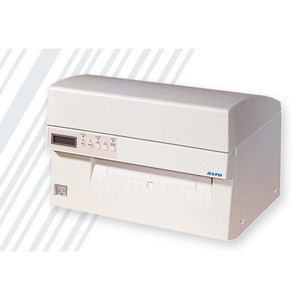
SATO SR10LD-20105 4x2 Thermal Transfer Paper Label
4"×2" thermal transfer labels, 5,500 per case for industrial barcode & shipping
- 1,375 labels per roll × 4 rolls; permanent acrylic adhesive for reliable carton adhesion
- Compatible with wax, wax-resin, and resin ribbons for standard to extreme conditions
- Perforated between labels for efficient tear-off dispensing on SATO printers
Usually Ships in 2-3 Weeks Free shipping over $499$138.02 $137.99 Save $0.03 -
Save $0.98

SATO SR10LD-20106 4x3 Thermal Transfer Paper Label
4" × 3" thermal transfer paper labels, 3,600 per case for industrial use
- 900 labels per roll on 1" core; 4 rolls per case for high-volume operations
- Permanent acrylic adhesive bonds to cartons, packaging, and product surfaces
- Compatible with wax, wax-resin, and resin ribbons for barcode and text printing
Usually Ships in 2-3 Weeks Free shipping over $499$138.97 $137.99 Save $0.98 -
Save $0.45
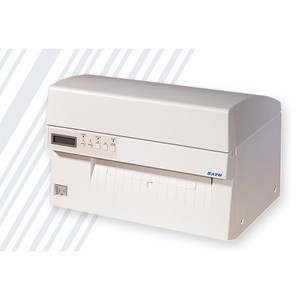
SATO SR10LD-20107 4x4 Thermal Transfer Paper Label
4x4 thermal transfer paper labels, 2,800 per case for industrial SATO printers
- 4" x 4" thermal-transfer paper labels — 700/roll, 2,800/case
- Compact 1" core / 5" OD spool fits SATO desktop printers
- Permanent acrylic adhesive on perforated, tear-off stock
Usually Ships in 2-3 Weeks Free shipping over $499$135.44 $134.99 Save $0.45 -
Save $0.18

SATO SR10LD-20108 4x6 Thermal Transfer Paper Label
4x6 thermal transfer paper labels, 1,900 per case for industrial printers
- Permanent acrylic adhesive bonds reliably to cartons, plastic, and packaging
- 475 labels per roll on 1" core; perforated for fast manual or automated dispensing
- Compatible with wax, wax-resin, and resin ribbons for SATO industrial printers
Usually Ships in 2-3 Weeks Free shipping over $499$95.17 $94.99 Save $0.18 -
Save $0.62
SATO SR10LD-20109 4x6.5 Thermal Transfer Label
4x6.5 thermal transfer labels for SATO industrial printers, 1,760 per case
- 4" x 6.5" thermal-transfer paper labels — 440/roll, 1,760/case
- Permanent acrylic adhesive holds across temperature ranges
- Wax (T101A), wax-resin (T110A), resin (R333A) ribbon compatible
Usually Ships in 2-3 Weeks Free shipping over $499$121.61 $120.99 Save $0.62 -

SATO SR10LD-20125 2x1 Thermal Transfer Paper Label
2"×1" thermal paper labels, 10,800 per case for SATO printers
- 2,700 labels per roll on 1" core; 4 rolls per case for high-volume runs
- Permanent acrylic adhesive bonds reliably to cartons, packaging, and surfaces
- Compatible with wax, wax-resin, and resin ribbons for barcode and text printing
Usually Ships in 2-3 Weeks Free shipping over $499$116.99 -
Save $0.06

SATO SR10LD-20126 3x1 Thermal Transfer Paper Label
3"×1" thermal transfer paper labels, 10,800 per case for industrial barcode and shipping applications
- 10,800 labels per case across 4 rolls of 2,700 labels with 1" core for high-volume operations
- Thermal transfer paper with permanent acrylic adhesive for crisp barcodes and durable carton adhesion
- Compatible with wax, wax-resin, and resin ribbons for SATO industrial printer systems
Usually Ships in 2-3 Weeks Free shipping over $499$156.05 $155.99 Save $0.06