
Showing Results for Synthetic Labels
-
Save $33.01

Brother LB3791-002 Premium Synthetic Label Media
White polypropylene label media with water resistance for durable printing
- Top-coated polypropylene construction resists moisture and chemicals for harsh environments.
- Direct thermal printing on 8.5 × 14 in sheets eliminates ribbon costs in label workflows.
- Six rolls of 80 pages each deliver 480 labels per box, reducing reorder frequency on production runs.
Usually Ships in 2-3 Weeks Free shipping over $499$226.00 $192.99 Save $33.01 -
Save $107.23

Sato DuraMark Label SR15LT-53180
4x1 gloss white polyester labels with permanent adhesive for industrial thermal transfer
- 2 mil synthetic material resists chemicals, heat, UV, moisture, oils, and solvents
- 6,600 labels per case (4 rolls × 1,650) on 1.5" cores for SATO printers
- UL recognized when printed with SATO R333A or R435B Premier I resin ribbons
Usually Ships in 2-3 Weeks Free shipping over $499$286.22 $178.99 Save $107.23 -
Save $356.98
Sato DuraMark Polyester Label - SR30LT-53082
2"x1" gloss polyester labels, 5,800 per roll for thermal transfer
- SF300 DuraMark polyester with permanent acrylic adhesive resists moisture, oils, and solvents
- 46,400 labels per case (8 rolls) with 3" core for SATO industrial printers
- UL capable when used with SATO R333A or R435B resin ribbons
Usually Ships in 2-3 Weeks Free shipping over $499$945.97 $588.99 Save $356.98 -
Save $374.28
Sato DuraMark SR30LT-18390 Label
2"×1" gloss white synthetic labels, 46,400/case, heat & UV resistant
- Polyester with permanent acrylic adhesive resists chemicals, heat, and UV
- 5,800 labels per roll on 3" core, 8 rolls per case for bulk operations
- Thermal transfer compatible with SATO industrial printers and R333A/R435B ribbons
Usually Ships in 2-3 Weeks Free shipping over $499$993.27 $618.99 Save $374.28 -
Save $90.49
SATO SF300 DuraMark 2x1 Gloss White Polyester - SR10LT-53169
2"×1" gloss polyester label for thermal transfer industrial printing
- 10,800 labels per case on 4 rolls with permanent acrylic adhesive
- Gloss white polyester resists chemicals, heat, and UV degradation
- UL recognized when paired with SATO R333A or R435B resin ribbons
Usually Ships in 2-3 Weeks Free shipping over $499$241.48 $150.99 Save $90.49 -
Save $97.32
SATO SF300 DuraMark 3x1 Gloss White Polyester - SR15LT-53175
3"×1" gloss polyester label for thermal transfer, 7,720/case
- 2 mil gloss white polyester with permanent acrylic adhesive
- 1,930 labels per roll; 4 rolls per case for high-volume operations
- Compatible with SATO R333A and R435B resin ribbons; UL recognized
Usually Ships in 2-3 Weeks Free shipping over $499$258.31 $160.99 Save $97.32 -
Save $82.92
SATO SF300 DuraMark 3x1 Gloss White Polyester - SR15LT-53178
3"×1" gloss white polyester label for thermal transfer industrial marking
- 6,600 labels per case (1,650 per roll × 4) for high-volume operations
- Permanent acrylic adhesive withstands chemicals, heat, and UV exposure
- Works with SATO R333A, R435B ribbons; 1.5" core for standard printers
Usually Ships in 2-3 Weeks Free shipping over $499$219.91 $136.99 Save $82.92 -
Save $210.41

SATO SF300 DuraMark 3x5 Gloss White Polyester - SR30LT-53085
3x5 gloss polyester label with permanent adhesive for industrial thermal printers
- 2 mil gloss white polyester resists moisture, solvents, oils, and UV exposure
- Permanent acrylic adhesive holds through harsh conditions on manufacturing floors
- 4,800 labels per case (4 rolls × 1,200) on 3" cores for SATO printer compatibility
Usually Ships in 2-3 Weeks Free shipping over $499$558.40 $347.99 Save $210.41 -
Save $306.88
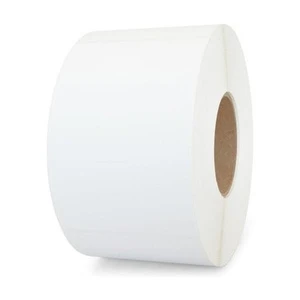
SATO SF300 DuraMark 4x6 Gloss White Polyester - SR30LT-18386
4x6 polyester label with permanent adhesive for industrial durability
- Gloss white polyester resists oils, solvents, UV, and temperature extremes
- 4,000 labels per case (4 rolls × 1,000) on 3" cores for SATO printers
- Thermal transfer printing with UL recognition when used with R333A/R435B ribbon
Usually Ships in 2-3 Weeks Free shipping over $499$814.87 $507.99 Save $306.88 -
Save $0.05
SATO SR10LT-51155 Polypropylene 2x1 Thermal Transfer Label
2" x 1" polypropylene labels for thermal transfer printing, 11,400 per case
- Polypropylene with permanent acrylic adhesive resists moisture and adheres to curved surfaces
- 2,850 labels per roll on 1" core; compatible with wax, wax-resin, and resin ribbons
- 11,400 labels per case (4 rolls) for warehouse inventory, asset tracking, and logistics
Usually Ships in 2-3 Weeks Free shipping over $499$246.04 $245.99 Save $0.05 -
Save $0.03
SATO SR10LT-51156 Polypropylene 3x1 Label
3"x1" polypropylene thermal transfer labels, 11,400 per case
- 3" x 1" polypropylene labels — 2,850/roll, 11,400/case
- Moisture + chemical resistant for harsh industrial environments
- Permanent acrylic adhesive sticks to curved and textured surfaces
Usually Ships in 2-3 Weeks Free shipping over $499$263.02 $262.99 Save $0.03 -
Save $0.08
SATO SR10LT-51157 Polypropylene 4x1 Label
4"×1" polypropylene thermal transfer label with permanent adhesive
- 4" x 1" polypropylene labels — 2,850/roll, 11,400 per case
- Synthetic facestock + permanent acrylic for curved surfaces
- 1" core / 5" OD spool fits SATO desktop printers
Usually Ships in 2-3 Weeks Free shipping over $499$154.07 $153.99 Save $0.08 -
Save $0.85
SATO SR10LT-51158 4x6 Polypropylene Label
4x6 polypropylene thermal transfer label, moisture-resistant for industrial use
- 520 labels per roll with permanent acrylic adhesive for curved and textured surfaces
- Compatible with wax, wax-resin, and resin ribbons on SATO industrial printers
- Polypropylene construction resists moisture, condensation, and tearingduring handling
Usually Ships in 2-3 Weeks Free shipping over $499$211.84 $210.99 Save $0.85 -
Save $133.18
SATO SR10LT-53170 3x1 Gloss White Polyester Label
3"×1" gloss white polyester label, 10,800/case, thermal transfer
- 2 mil polyester with permanent acrylic adhesive for industrial durability
- 2,700 labels per roll on 1" core, 4 rolls per case for high-volume runs
- UL Recognized when printed with SATO R333A or R435B resin ribbons
Usually Ships in 2-3 Weeks Free shipping over $499$355.17 $221.99 Save $133.18 -
Save $171.84
SATO SR10LT-53171 4x1 Gloss White Polyester Label
4×1 gloss white polyester label, 10,800 per case, thermal transfer
- Permanent acrylic adhesive bonds reliably to industrial surfaces
- 2 mil polyester facestock resists moisture, chemicals, and abrasion
- 2,700 labels per roll on standard 1" core for SATO printer compatibility
Usually Ships in 2-3 Weeks Free shipping over $499$455.83 $283.99 Save $171.84 -
Save $174.55
SATO SR10LT-53172 DuraMark 4x2 Gloss White Polyester Label
4"×2" gloss polyester thermal label with permanent adhesive for industrial use
- 5,600 labels per case on 1,400-per-roll format for high-volume labeling runs
- Gloss white polyester with permanent acrylic adhesive resists moisture and chemicals
- UL Recognized when paired with SATO R333A or R435B thermal transfer ribbons
Usually Ships in 2-3 Weeks Free shipping over $499$464.54 $289.99 Save $174.55 -
Save $0.59
SATO SR15LT-51160 3x1 Polypropylene Label
3"×1" polypropylene labels, 8,120 per case for high-volume thermal transfer
- Moisture-resistant synthetic material with permanent acrylic adhesive for demanding environments
- 2,030 labels per roll on 1.5" core, compatible with wax, wax-resin, and resin ribbons
- Works with SATO industrial thermal transfer printers for warehouse, manufacturing, and retail applications
Usually Ships in 2-3 Weeks Free shipping over $499$142.58 $141.99 Save $0.59 -
Save $0.54
SATO SR15LT-51161 4x1 Polypropylene Label
4" × 1" polypropylene labels for wet/chemical industrial environments
- 8,120 labels per case (4 rolls × 2,030) with 1.5" core for SATO printers
- Polypropylene + permanent acrylic adhesive resists moisture, oils, chemicals
- Compatible with wax, wax-resin, and resin thermal transfer ribbons
Usually Ships in 2-3 Weeks Free shipping over $499$138.53 $137.99 Save $0.54 -
Save $0.54
SATO SR15LT-51163 Polypropylene 4x3 Thermal Label
4"x3" polypropylene thermal labels, 2,920 per case for SATO printers
- Polypropylene with permanent acrylic adhesive resists moisture and chemicals
- 730 labels per roll, 4 rolls per case with 1.5" core for easy loading
- Compatible with wax, wax-resin, and resin thermal transfer ribbons
Usually Ships in 2-3 Weeks Free shipping over $499$138.53 $137.99 Save $0.54 -
Save $0.93
SATO SR15LT-51164 Polypropylene 4x6 Thermal Label
4x6 polypropylene thermal labels, 1,480 per case, moisture-resistant
- Polypropylene facestock with permanent acrylic adhesive resists water and humidity
- 1,480 labels per case (370 per roll × 4 rolls) for high-volume operations
- Compatible with wax, wax-resin, and resin ribbons for SATO thermal printers
Usually Ships in 2-3 Weeks Free shipping over $499$149.92 $148.99 Save $0.93 -
Save $0.12
SATO SR15LT-51165 2x1 Polypropylene Thermal Label
2"×1" polypropylene thermal labels, 13,200 per case, water-resistant
- 1,650 labels per roll × 8 rolls per case for high-volume production runs
- Polypropylene with permanent acrylic adhesive bonds to curved and textured surfaces
- Water-resistant synthetic material rated for wet, cold, and humid environments
Usually Ships in 2-3 Weeks Free shipping over $499$163.11 $162.99 Save $0.12 -
Save $0.37
SATO SR15LT-51166 Polypropylene 3x2 Label
3"×2" polypropylene labels with permanent adhesive for industrial thermal transfer
- 3,400 labels per case (850 per roll × 4 rolls) on 1.5" core
- Permanent acrylic adhesive bonds to curved, textured, and metal surfaces
- Compatible with wax, wax-resin, and resin thermal transfer ribbons
Usually Ships in 2-3 Weeks Free shipping over $499$115.36 $114.99 Save $0.37 -
Save $0.54
SATO SR15LT-51167 Polypropylene 4x2 Label
4x2 polypropylene thermal transfer label, 3,400/case, moisture-resistant
- Polypropylene with permanent acrylic adhesive resists moisture, oils, and solvents
- 850 labels per roll × 4 rolls per case for high-volume warehouse and logistics ops
- Compatible with wax, wax-resin, and resin ribbons on SATO industrial printers
Usually Ships in 2-3 Weeks Free shipping over $499$138.53 $137.99 Save $0.54 -
Save $0.46
SATO SR15LT-51168 4x6 Polypropylene Thermal Label
4x6 polypropylene thermal labels with permanent adhesive for industrial durability
- 1,200 labels per case (4 rolls × 300) on 1.5" cores for SATO printers
- Polypropylene resists moisture, chemicals, and flexing in harsh environments
- Compatible with wax, wax-resin, and resin thermal transfer ribbons
Usually Ships in 2-3 Weeks Free shipping over $499$121.45 $120.99 Save $0.46 -
Save $127.36
SATO SR15LT-53176 4x2 Gloss White Polyester Label
4x2 gloss polyester thermal labels, chemical/heat/UV resistant
- 4,080 labels per case (4 rolls × 1,020) on 1.5" cores
- Permanent acrylic adhesive bonds reliably in harsh industrial environments
- UL Recognized when used with SATO R333A or R435B resin ribbons
Usually Ships in 2-3 Weeks Free shipping over $499$338.35 $210.99 Save $127.36 -
Save $119.89
Sato SR15LT-53177 2x1 Gloss White Polyester Thermal Transfer
2"×1" gloss polyester labels for thermal transfer printers, 13,200/case
- Permanent acrylic adhesive bonds to dusty, oily, textured warehouse surfaces
- Polyester facestock resists chemicals, oils, UV, and moisture in harsh environments
- 8 rolls × 1,650 labels per roll, 1.5" core, compatible with SATO R333A/R435B
Usually Ships in 2-3 Weeks Free shipping over $499$319.88 $199.99 Save $119.89 -
Save $0.87
SATO SR15LT-53179 3x2 Gloss White Polyester Label
3"x2" gloss polyester label for thermal transfer, 850/roll, chemical & heat resistant
- 2 mil gloss white polyester with permanent acrylic adhesive for durable industrial adhesion
- 850 labels per roll on 1.5" core, 4 rolls per case totaling 3,400 labels
- Resists chemicals, heat, and UV exposure; UL recognized with SATO R333A or R435B ribbons
Usually Ships in 2-3 Weeks Free shipping over $499$231.86 $230.99 Save $0.87 -
Save $107.23
SATO SR15LT-53181 4x2 Gloss White Polyester Label
4×2 gloss polyester thermal label, 3,400/case for industrial SATO printers
- 2 mil gloss white polyester with permanent acrylic adhesive resists chemicals and heat
- 850 labels per roll, 4 rolls per case on 1.5" cores for standard SATO loader
- UL Recognition capable with R333A or R435B ribbons for regulated environments
Usually Ships in 2-3 Weeks Free shipping over $499$286.22 $178.99 Save $107.23 -
Save $135.44

SATO SR30LT-15392 4x4 Polypropylene Label
4x4 polypropylene labels for wet/outdoor use with permanent adhesive
- 4 x 4 inch polypropylene labels (1,600 per roll, 4 per case)
- PP facestock sticks to curved and textured surfaces
- 3-inch core, 8-inch OD fits SATO industrial printers
Usually Ships in 2-3 Weeks Free shipping over $499$359.43 $223.99 Save $135.44 -
Save $116.26
SATO SR30LT-15393 Polypropylene 3x2 Thermal Label
3x2 polypropylene thermal labels for industrial moisture-prone environments
- 12,000 labels per case (4 rolls × 3,000) with permanent acrylic adhesive
- Water and moisture-resistant polypropylene for warehouse and manufacturing
- Compatible with SATO wax, wax-resin, and resin thermal transfer ribbons
Usually Ships in 2-3 Weeks Free shipping over $499$308.25 $191.99 Save $116.26 -
Save $116.26
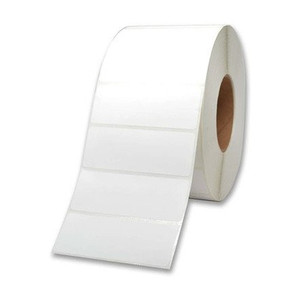
SATO SR30LT-15394 Polypropylene 3x1 Label
3"×1" polypropylene label for SATO thermal printers, 23,200 per case
- Permanent acrylic adhesive bonds to plastics, metals, and curved surfaces
- Polypropylene resists moisture in wet/humid environments without brittleness
- Compatible with wax, wax-resin, and resin thermal transfer ribbons
Usually Ships in 2-3 Weeks Free shipping over $499$308.25 $191.99 Save $116.26 -
Save $154.18

SATO SR30LT-15395 Polypropylene 2x1 Label
2"x1" polypropylene labels for industrial thermal transfer, 46,400/case
- Water and moisture resistant polypropylene with permanent acrylic adhesive
- 5,800 labels per roll on 3" core; 8 rolls per case for high-volume runs
- Compatible with wax, wax-resin, and resin thermal transfer ribbons
Usually Ships in 2-3 Weeks Free shipping over $499$409.17 $254.99 Save $154.18 -
Save $136.33

SATO SR30LT-15396 1.75x0.75 Polypropylene Label
1.75x0.75" polypropylene labels for SATO thermal printers, 60K per case
- Polypropylene with permanent acrylic adhesive resists moisture and chemicals
- 60,000 labels per case (8 rolls × 7,500) on 3" core, 8" OD spools
- Compatible with wax, wax-resin, and resin thermal transfer ribbons
Usually Ships in 2-3 Weeks Free shipping over $499$363.32 $226.99 Save $136.33 -
Save $197.49
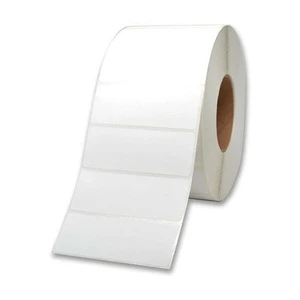
SATO SR30LT-15400 Polypropylene 6x8 Label
6"x8" polypropylene thermal transfer labels for industrial environments
- 750 labels per roll with permanent acrylic adhesive for reliable adhesion
- Polypropylene facestock resists moisture and washdown in harsh conditions
- Compatible with wax, wax-resin, and resin thermal transfer ribbons
Usually Ships in 2-3 Weeks Free shipping over $499$523.48 $325.99 Save $197.49 -
Save $333.75

SATO SR30LT-18385 4x3 Gloss White Polyester Label
4"×3" gloss polyester label, 8,000/case, chemical & UV resistant
- 2 mil gloss white polyester with permanent acrylic adhesive for industrial durability
- 8,000 labels per case (4 rolls × 2,000) on 3" core, 8" OD spindles
- Thermal transfer compatible with SATO R333A or R435B ribbons; UL recognized
Usually Ships in 2-3 Weeks Free shipping over $499$884.74 $550.99 Save $333.75 -
Save $231.21
SATO SR30LT-18387 3x2 Gloss White Polyester Label
3"x2" gloss white polyester label with permanent adhesive for industrial thermal transfer
- 12,000 labels per case (3,000 per roll × 4 rolls) on 3" core for SATO printers
Usually Ships in 2-3 Weeks Free shipping over $499$614.20 $382.99 Save $231.21