
IP Cameras
IP cameras are the foundation of modern commercial surveillance systems. Select by camera type, environment, and performance requirements to match your coverage objectives.
Plan Your Deployment
- Pixel density for identification zones
- Low-light and IR performance
- Frame rate and shutter tuning
- Nighttime bitrate impact on retention
- PoE power requirements
Sub categories
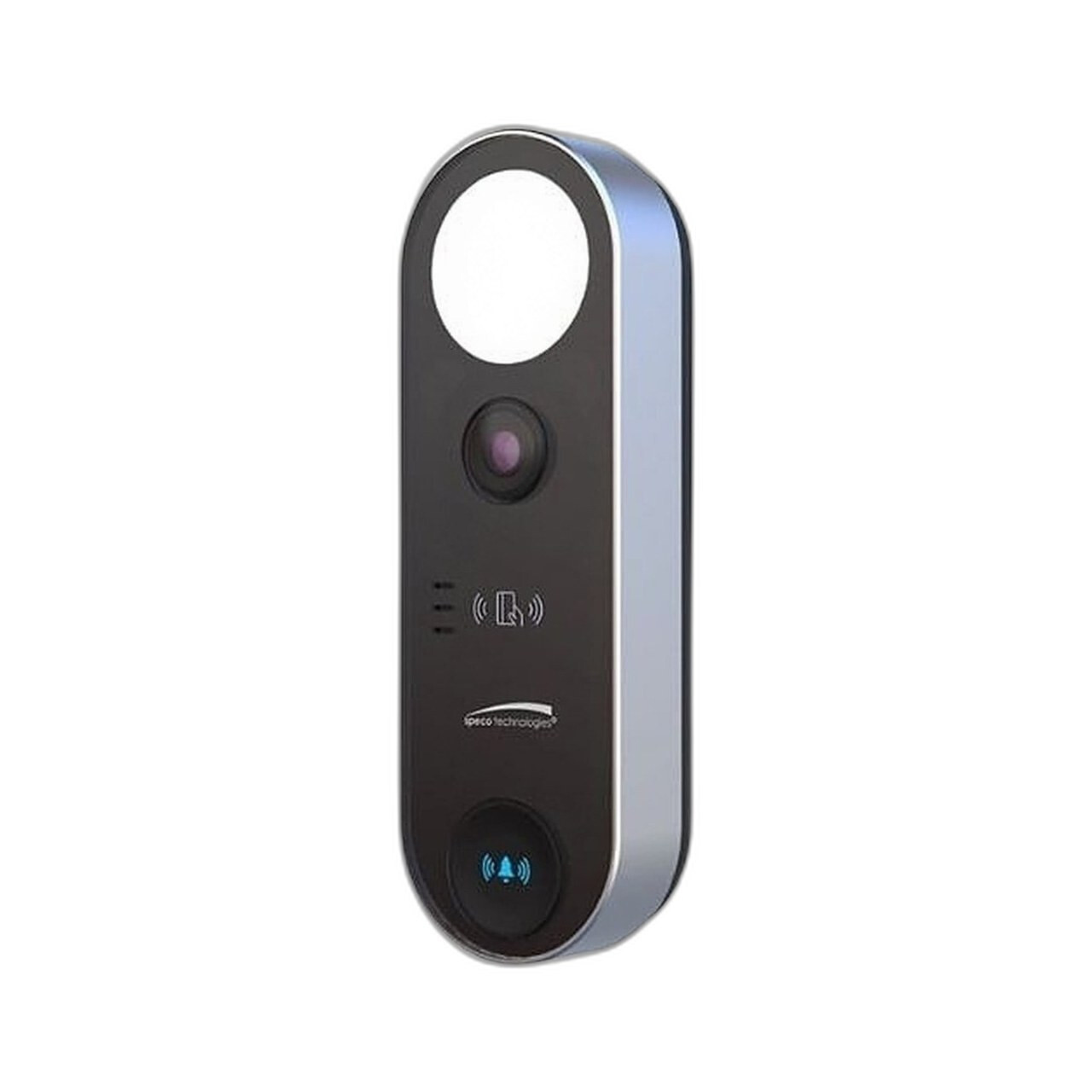
Doorbell Cameras
1 item
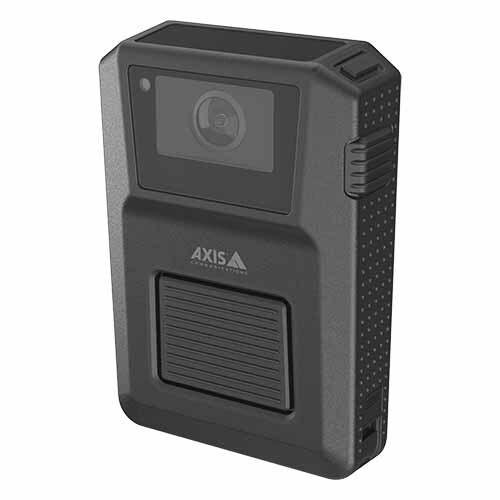
Body-Worn Cameras
21 items
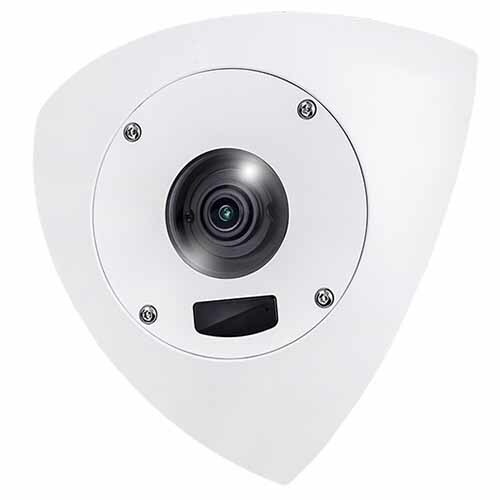
Corner IP Cameras
9 items
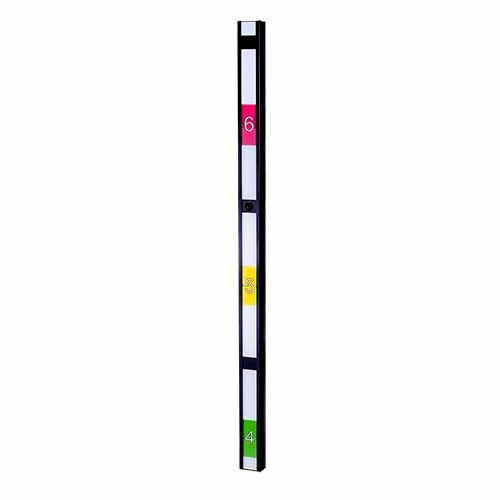
Height Strip IP Cameras
4 items
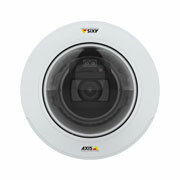
Indoor IP Cameras
357 items
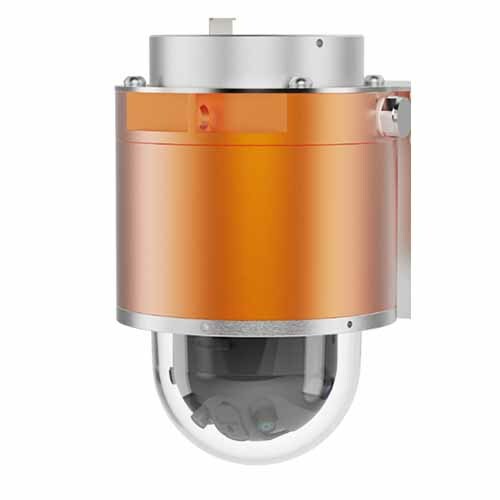
Industrial IP Cameras
22 items
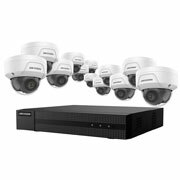
IP Camera Bundles
4 items
Outdoor IP Cameras
2113 items
Mobile & Vehicle IP Cameras
15 items
Modular & Covert IP Cameras
54 items
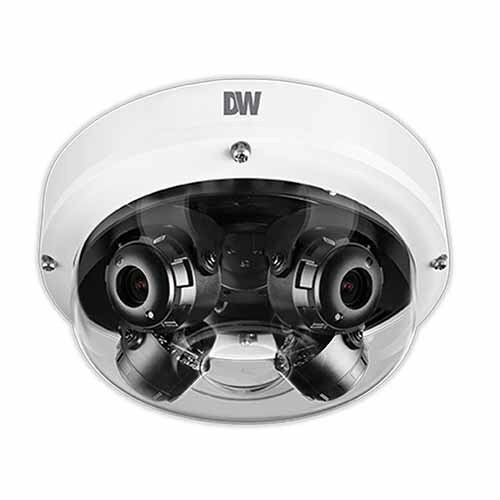
Multi-Sensor IP Cameras
79 items
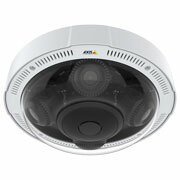
Panoramic IP Cameras
80 items
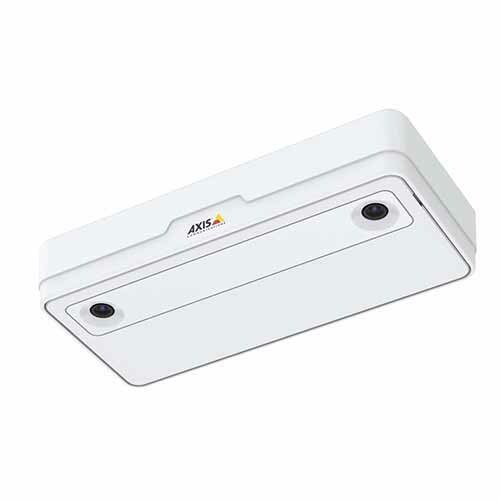
People Counting IP Cameras
6 items
PTZ IP Cameras
319 items
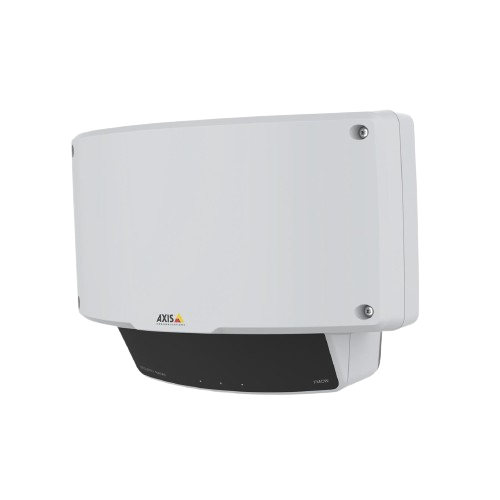
Radar Security Sensors
4 items
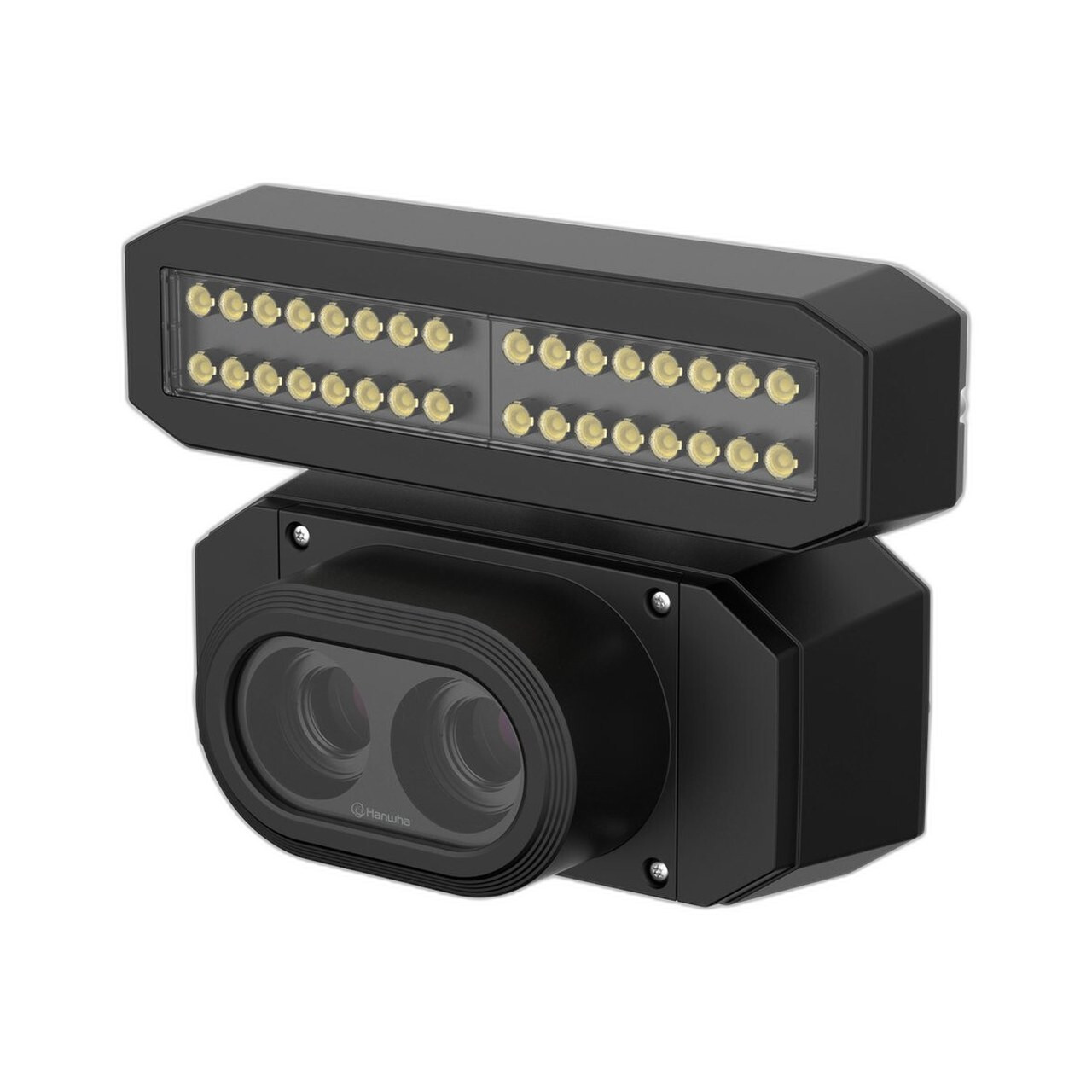
Specialty Cameras
79 items
Thermal IP Cameras
50 items

Fisheye IP Cameras
44 items
Showing Results for IP Cameras
-
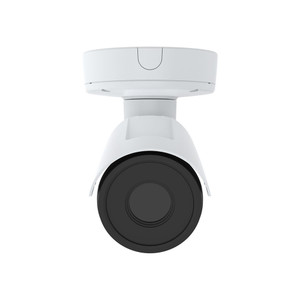
Axis
Axis Q1961-TE 640x480 Thermal 13mm Outdoor Fixed IP Camera, 02176-001
$4,299.00 $4,240.99 Save $58.01 -

Axis
Axis Q1961-TE 640x480 Thermal Outdoor Fixed IP Camera, 02173-001
$4,299.00 $4,240.99 Save $58.01 -

-

-

-

-

-

-

-

-

-

-

-
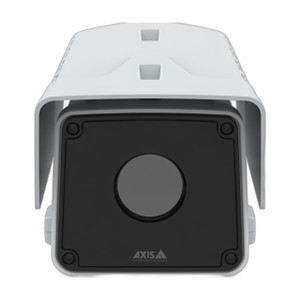
-

-
