What's the difference between a SIP intercom and an analog intercom?
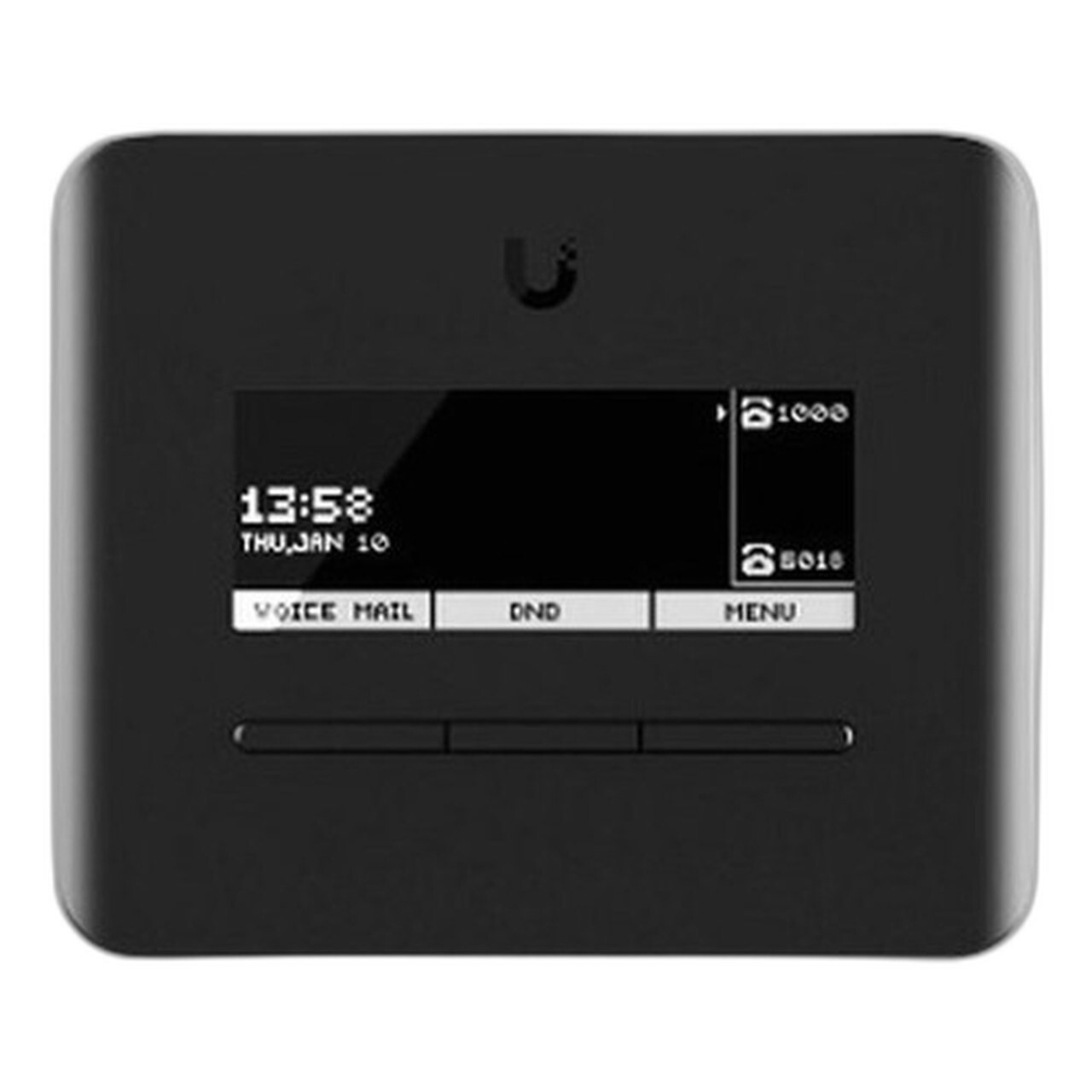
Analog intercoms (Aiphone JP, JO) use proprietary cabling between the door station and master station — simple to install, no PBX required, but limited to site-local use. SIP intercoms (2N IP Verso, Aiphone IX) register to a SIP PBX like any extension, can be answered on any SIP handset or mobile app, and integrate with enterprise unified communications. For multi-site or mobile-answer requirements, specify SIP.
Can an intercom integrate with my access control system?
Yes — modern SIP intercoms with built-in card readers or relay outputs integrate directly with access control. 2N IP Verso accepts HID and Mifare credentials natively; Aiphone IX relays door-release to an electric strike on call-answer. For full integration, specify an access control head-end (Brivo, Openpath, Genetec) that supports intercom event ingestion.
What's required for an emergency blue-light phone deployment?
Code Blue CB series towers or wall stations, a SIP PBX or dedicated ToolVox dispatch software, network connectivity (PoE+ or 24V local power), and a deployment layout that covers high-traffic areas within 150-foot response zones. ADA compliance (button height, visual strobe, TTY support) is required. Integration with surveillance cameras at each station is standard for incident review.
Does an intercom system need to integrate with fire alarm?
For occupancies under NFPA 72 that require voice evacuation (schools, healthcare, high-rise), yes — the PA/paging system must be fire-alarm-listed or interfaced with a fire-alarm control panel. Bosch PAVIRO is the typical enterprise solution for voice-evacuation; standard office PA systems are not fire-listed. Check jurisdiction code with the AHJ before specifying.
Can I answer the intercom on my mobile phone?
Yes — with a SIP intercom + SIP PBX that supports mobile-app endpoints, or with cloud intercom platforms like 2N Mobile Video Turbine, Aiphone IXG, or Butterfly MX. The mobile app rings simultaneously with desk handsets, shows video of the caller, and lets you remotely unlock the door. Enterprise PBXs (RingCentral, 3CX, Avaya Spaces) all support this workflow.
How do IP speakers differ from traditional 70V PA speakers?
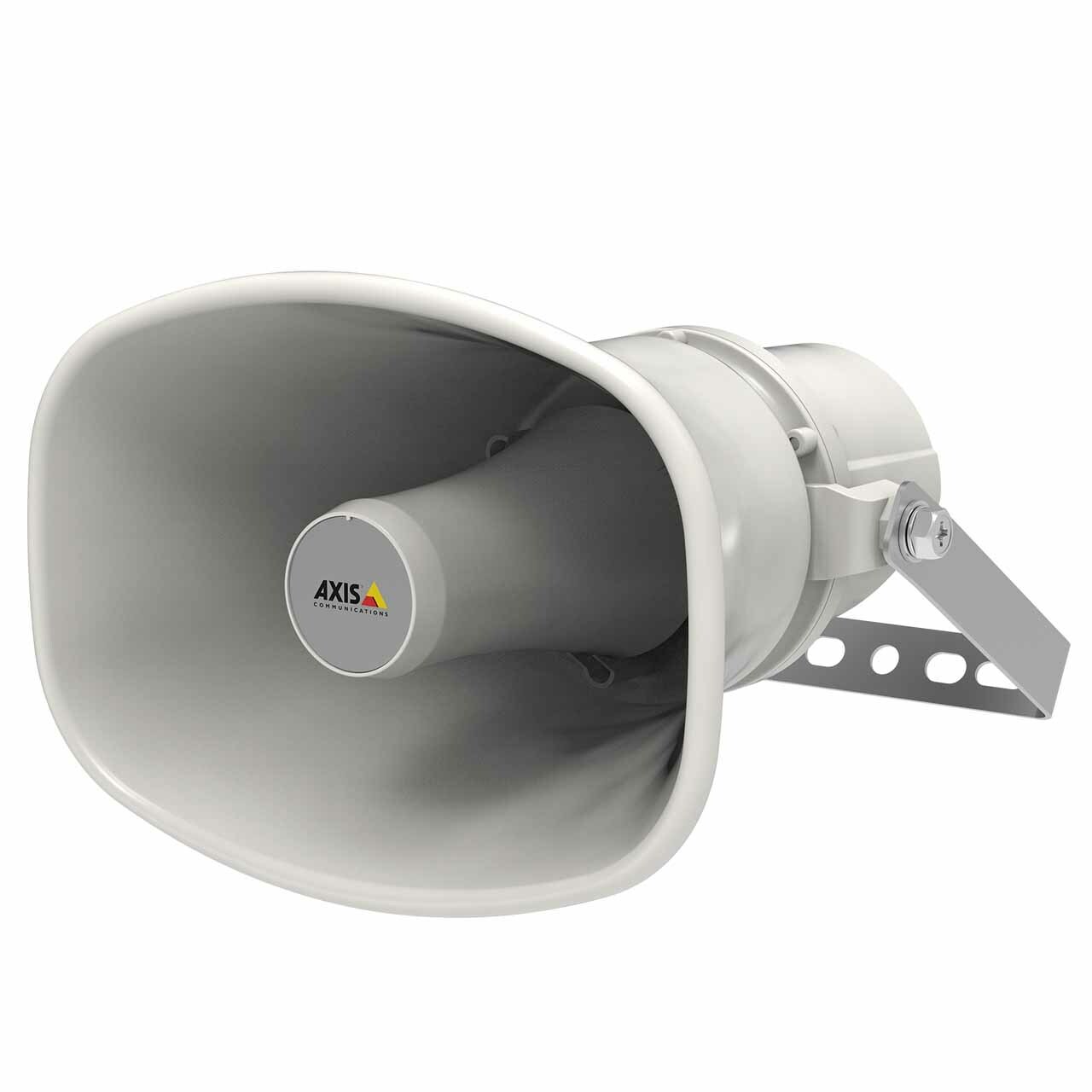
Traditional 70V/25V PA speakers daisy-chain on a single amp-driven audio line — simple, cheap, but limited to single-zone audio and one-way only. IP speakers are individually addressable endpoints on the network — supporting per-speaker zoning, multicast paging, two-way audio, visual strobes, and scheduling. CyberData and Bosch IP speakers replace both the amp and the speakers, with PoE powering each endpoint.