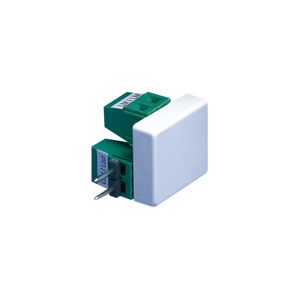
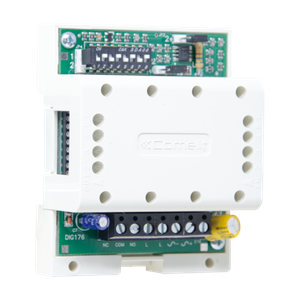
Comelit 1214/2C T-Tap for Simplebus 2
Overview
The Comelit 1214/2C is a T-Tap connection module engineered for distributed Simplebus 2 intercom and access control deployments. This component functions as a tap interface, enabling seamless connection and communication routing across multi-unit residential or commercial installations. Rather than a standalone device, it is an infrastructure element that multiplies the reach of your Simplebus 2 network without requiring dedicated power runs or complex wiring.
Key Features
- PoE++ (802.3bt) Power: Eliminates the need for separate 12V or 24V power supplies at the tap location. A single PoE++ injector or switch supplies power and data, reducing installation labor and cable clutter—especially valuable in retrofit deployments where power infrastructure doesn't exist.
- Simplebus 2 Architecture: The 1214/2C is purpose-built for Simplebus 2, so integration is plug-and-play within existing Comelit systems. No protocol translation, no firmware conflicts—compatibility is by design.
- Flexible Mounting: Supports wall, column, and rack mounting, adapting to the physical constraints of your site. This modularity matters in mixed-environment deployments (lobbies, corridors, equipment rooms) where you need the tap where the cabling dictates, not where a fixed form factor allows.
- Bus Tap Function: Acts as an extension point for the Simplebus 2 trunk line, allowing you to branch communication paths without daisy-chaining units in a way that introduces latency or signal degradation.
- Transparent to System Logic: The 1214/2C passes Simplebus 2 protocol frames without modification, preserving real-time performance for intercom calls and access control commands across the network.
- Scalable Deployment: Multiple taps can be deployed along a trunk line to serve different zones—residential floors, warehouse sections, or campus buildings—without central reconfiguration.
Integration & Compatibility
The 1214/2C integrates directly into any active Simplebus 2 network. It requires a PoE++ source (802.3bt Class 4 or higher capable switch or injector) and a standard RJ-45 connection to the Simplebus 2 trunk. No VLAN configuration, no IP address assignment—Simplebus 2 operates at Layer 2, so the tap is transparent to your network stack.
For larger deployments, pair the 1214/2C with Comelit IP cameras and door stations already integrated into Simplebus 2 to build a cohesive intercom and surveillance system. This approach unifies communication and access across a single protocol backbone.
When to Choose a Different Model
If you are starting a new intercom system or planning a major renovation, evaluate whether a Simplebus 2 architecture aligns with your long-term goals. The 1214/2C is a tap—it extends an existing Simplebus 2 trunk. If you need a standalone entry phone or master station, you will need different Comelit components. Consult your intercom systems selection guide to confirm that Simplebus 2 is the right backbone for your use case.
Deployment Context
Install the 1214/2C at strategic branch points: distribution closets, utility alcoves, or mounted directly on structural columns in open-plan layouts. The PoE++ requirement means you need a compatible switch or inline injector nearby, but that is a one-time expense that eliminates the cost and complexity of running separate power lines. In warehouse or logistics environments where intercom coverage must extend to loading docks or inventory zones, the 1214/2C bridges that gap efficiently.
Frequently Asked Questions
Q: Does the 1214/2C require any configuration or setup?
A: No. The 1214/2C is a passive bus tap for Simplebus 2. Once powered via PoE++ and connected to the trunk line, it is operational. Simplebus 2 topology is defined at the system controller level, not at individual tap units.
Q: Can I use a standard PoE+ (802.3at) power source instead of PoE++?
A: No. The 1214/2C requires PoE++ (802.3bt). Standard PoE+ (15.4W max) is insufficient. Ensure your switch or injector is rated for Class 4 or higher 802.3bt delivery.
Q: What happens if the tap fails—does it isolate that branch or take down the entire Simplebus 2 line?
A: A failed tap will isolate the branch served by that tap. Devices downstream (connected via that tap) will lose communication, but the main trunk and other branches remain functional—assuming the trunk line itself is intact.
Q: Can I mount the 1214/2C outdoors?
A: The 1214/2C is designed for indoor installation in wall, column, or rack configurations. For outdoor or harsh-environment deployments, confirm environmental rating with the manufacturer before proceeding.
Q: Is the 1214/2C compatible with Simplebus (original) or only Simplebus 2?
A: The 1214/2C is engineered exclusively for Simplebus 2. It is not backward-compatible with the original Simplebus protocol.
Q: What cable do I use to connect the 1214/2C to the Simplebus 2 trunk?
A: Use standard Cat5e or better Ethernet cabling (RJ-45). Comelit typically specifies shielded twisted pair for Simplebus 2 runs to reduce EMI in multi-floor or industrial settings—check your system documentation for the specific recommendation.
Ted PerryPerspective based on aggregated IP Security Depot and affiliated engineering team experience.
The Comelit 1214/2C is a working component, not a feature-rich device—and that is the point. It does one job: extend Simplebus 2 reach via a tap without adding protocol overhead or requiring power infrastructure upgrades. The PoE++ power model eliminates a common installation bottleneck. If your site already has PoE++ switches deployed for IP cameras or access readers, this tap scales your intercom coverage for minimal incremental cost.
Technical Highlights:
- PoE++ (802.3bt) Simplicity: Single cable carries power and Simplebus 2 data. No separate 12V runs, no wall conduit sharing. In retrofit retrofits or multi-floor commercial builds, this saves hours of labor and reduces failure points.
- Simplebus 2 Native: Transparent integration—the 1214/2C passes protocol frames unmodified, preserving real-time intercom performance and access control reliability across your network.
- Flexible Mounting Options: Wall, column, or rack configurations mean you install where the cable run dictates, not where a fixed form factor allows. Critical in warehouses, parking structures, or campus deployments with distributed device footprints.
Deployment Considerations:
- Confirm PoE++ switch or injector availability before design—standard PoE+ is not sufficient. Plan for Class 4 or higher 802.3bt sourcing.
- A failed tap isolates only its downstream branch. The trunk and other branches survive—but downstream devices lose communication. Redundancy depends on your system topology, not the tap itself.
- Outdoor use not confirmed by evidence—do not assume weatherproofing. For loading docks, covered outdoor areas, or atrium taps, request environmental certification from Comelit before installation.
Best suited for: commercial multi-floor intercom expansion, warehouse logistics networks already deploying IP cameras on PoE++, and residential complexes retrofitting Simplebus 2 into existing cable infrastructure. If you are building from scratch, evaluate whether Simplebus 2 is the right backbone against native IP or legacy hardwired intercom alternatives.