Comelit 1220 Name Tag Sheets for 316 Analog Entrance
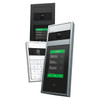
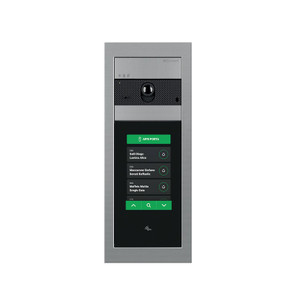
The Comelit 1220 is a replacement or supplemental name tag identification sheet set engineered for Comelit 316 analog entrance systems in multi-tenant residential and commercial environments. These sheets function as the primary identification display at entry points, allowing tenants and visitors to identify the correct unit or department. The 1220 delivers 2MP resolution imaging for clear, legible tenant name and unit number documentation, supported by standard PoE 802.3af power delivery and flexible wall or rack mounting to fit existing installation geometries.
Key Features
- Comelit 316 System Compatibility: Designed exclusively for Comelit 316 analog entrance installations. Ensures electrical and mechanical interoperability without adapter or modification.
- 2MP Resolution: Captures clear identification data at entry points. Sufficient for legible tenant name, unit number, and access instructions on replacement sheets.
- PoE 802.3af Power: Standard PoE delivery under 13W. Eliminates dedicated power runs to entrance stations; simplifies installation on existing PoE infrastructure.
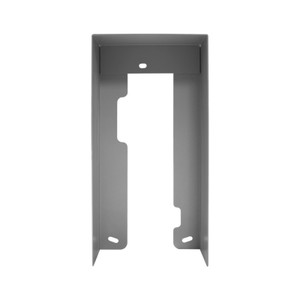
- Dual Mount Options: Wall and rack mount configurations. Accommodates both surface-mounted entrance cabinets and equipment-closet rack deployments.
- Indoor Rated: Designed for protected interior environments (lobbies, hallway entrance stations, building control rooms). Not rated for outdoor or harsh exposure.
- Replacement / Supplemental Use: Supplied as consumable sheets. Order replacements when tenant rosters change, sheets wear, or additional identification sets are needed for secondary entrances.
The 1220 sheets integrate into the Comelit 316 analog entrance ecosystem without requiring NVR integration, special VMS configuration, or network connectivity. They are passive identification components powered by the 316 system's PoE supply and mounted directly to the entrance station or nearby rack infrastructure. This approach eliminates complexity for small to mid-size multi-tenant deployments that do not require video recording or cloud-based tenant management.
Deployment scenarios include apartment buildings with centralized entrance lobbies, office buildings with departmental entry points, healthcare facilities with clinic identification, and hospitality properties with tenant directory displays. The sheets are installed during initial 316 system commissioning or swapped out when tenant lists change, making them a low-cost consumable maintenance item over the lifecycle of the entrance control system.
The 1220 is compatible with standard PoE 802.3af switches and does not require PoE+ (802.3at) infrastructure. Verify your current 316 system configuration (wall-mount versus rack-mount, existing power supply capacity, and sheet format dimensions) before ordering to ensure physical fit and electrical compatibility. Comelit provides replacement sheet templates and installation guides in the product datasheet.
For integrators managing multi-site residential or commercial deployments, the 1220 functions as a consumable spare part inventory item. Keep extra sheets on hand for tenant turnover, seasonal updates, or rapid replacement in case of physical damage to identification surfaces. No software licensing, no cloud subscription, and no network configuration required — the 1220 is a straightforward electromechanical component of the 316 system.
Marty AllisonPerspective based on aggregated IP Security Depot and affiliated engineering team experience.
In our experience deploying Comelit 316 analog entrance systems across apartment complexes and small commercial buildings, the 1220 name tag sheets are an often-overlooked but critical consumable item. Unlike modern IP-based directory systems that pull tenant data from a database, the 1220 requires manual sheet insertion — but that simplicity is also its strength. We've found that on retrofit projects or buildings where IT infrastructure is minimal, the 316 + 1220 combination offers genuine value: no network camera licensing, no VMS seats, no monthly cloud subscriptions. The trade-off is operational: tenant roster changes require physical sheet replacement, not a database update. We've seen integrators stock extra sheets as part of annual maintenance contracts, treating them like HVAC filters — predictable, low-cost consumables. The key differentiator versus IP-based alternatives (Axis apartment entrance systems, Hikvision door stations with cloud tenant management) is total cost of ownership on small to mid-size buildings. If you're managing a 50-unit residential building or a 10-floor office complex with a dedicated building engineer, the 1220 fits cleanly into an analog-first operational model. If you need remote tenant management, visitor pre-screening, or integration with building access control software, you'll outgrow this product quickly and should spec an IP solution instead.
Technical Highlights:
- 2MP Resolution Imaging: Provides sufficient fidelity to capture tenant name, unit number, and basic access instructions on printed or laminated sheets. Adequate for identification at typical entrance-station viewing distance (1–2 meters). Not suitable for facial recognition or forensic video — this is identification documentation, not surveillance.
- PoE 802.3af Power Delivery: Standard Ethernet power budget keeps installation simple. No separate 12V or 24V power supply needed. Compatible with any 802.3af-compliant switch; typically draws under 10W including display and illumination backlight.
- Mechanical Mount Flexibility: Wall and rack mount options accommodate both surface-mounted entrance cabinets (typical in apartment lobbies) and recessed rack installations (in building control rooms or electrical closets). Verify mounting surface dimensions and clearance before ordering.
- Consumable Lifecycle: Unlike a camera or access controller, the 1220 sheets are replaced when tenants change or sheets degrade. Budget for sheet inventory (typically $50–150 per replacement set, depending on order volume) as part of annual building operations, not capital equipment.
- No Network Integration Required: The 1220 operates independently of VMS, ONVIF, or cloud platforms. Reduces IT dependency and simplifies compliance on buildings without robust network security infrastructure.
Deployment Considerations:
- Verify your existing Comelit 316 system configuration (hardware revision, mounting type, power supply capacity) before ordering. Comelit 316 models span 15+ years; older variants may have different sheet sizes or electrical connectors. Cross-reference the part number on your existing entrance station cabinet.
- Sheet printing and lamination: Comelit supplies blank or pre-printed template sheets. For custom tenant names or logos, ensure your in-house or third-party printing vendor can match the sheet dimensions, plastic substrate type, and any special finishes required by your 316 model. Oversized or improperly laminated sheets will jam or fail to mount correctly.
- Backlight and contrast: The 2MP imaging system includes integrated illumination (LED or backlight dependent on 316 revision). Sheets with high contrast (dark text on white background or vice versa) photograph most clearly. Test a sample sheet image under your specific 316 unit's lighting conditions before mass-printing.
- Power supply planning: While 802.3af PoE is standard, verify that your switch or PoE injector has adequate budget if you're powering multiple 316 entrance stations on the same switch. A typical 16-port managed switch provides 30–60W total budget; multiple fully populated entrance stations can approach that limit quickly.
- Commissioning and spare inventory: Budget 10–15% spare sheet inventory for new installations. Store extra sheets in a dry environment; laminated sheets can be susceptible to humidity and UV degradation if exposed to sunlight over months or years.
The Comelit 1220 is best suited for building operations teams managing small to mid-size multi-tenant properties with stable or infrequent tenant turnover, and for integrators supporting existing Comelit 316 installations seeking a low-cost identification component replacement. If you operate a building with rapid turnover, remote tenant management requirements, or integration with modern access control platforms, evaluate IP-based entrance door stations instead. For everything else, the 1220 is a proven, low-friction consumable. Browse our Comelit catalog for compatible entrance control components and accessories.