
TP-Link SG3210XHP-M2 vs TP-Link SG1210P: Specification Comparison
Both products are TP-Link PoE+ Gigabit-class switches aimed at IP security and network infrastructure installers, but they sit at meaningfully different tiers. The SG3210XHP-M2 is an 8-port 2.5GBASE-T L2+ managed switch with 10G uplinks and a 240W PoE++ budget, while the TL-SG1210P is a 10-port unmanaged Gigabit desktop switch with a 120W PoE+ budget. A buyer cross-shopping these is weighing manageability and higher-bandwidth uplinks against simplicity and a lower port-count price point for smaller, flat deployments.
In This Guide
Which switch delivers more PoE power and higher per-port bandwidth?
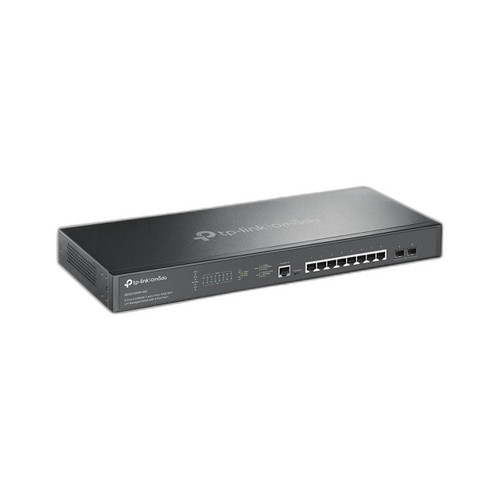
The SG3210XHP-M2 provides a 240W aggregate PoE++ (802.3bt) budget across 8 data ports rated at 2.5GBASE-T (2.5 Gbps per port), with each port capable of delivering up to 90W under 802.3bt. The two 10G SFP+ uplink slots add high-throughput backbone connectivity. Total switching capacity is 80 Gbps.
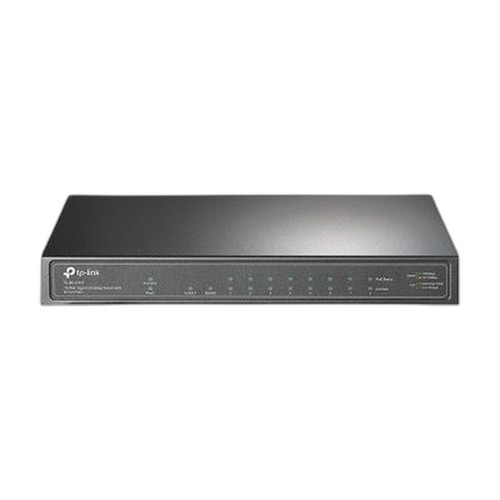
The TL-SG1210P offers a 120W aggregate PoE+ budget across 8 PoE-capable ports, each capped at 30W per port (802.3at). All data ports run at standard Gigabit (10/100/1000 Mbps). No SFP or fiber uplink slots are specified. Switching capacity is not stated in the provided specs.
For deployments running high-draw devices such as 802.3bt PTZ cameras, multi-radio Wi-Fi 6 APs, or PoE-powered access controllers, the SG3210XHP-M2's 240W budget and 90W per-port ceiling are decisive. The SG1210P's 120W budget and 30W port ceiling are adequate for standard 802.3at cameras and single-radio APs only.
How much network control and visibility does each switch offer?
The SG3210XHP-M2 is an L2+ managed switch supporting CLI, SNMP v1/v2c/v3, RMON, VLAN, QoS, ACL, STP/RSTP/MSTP, IGMP snooping, LACP, static routing, and 802.1X authentication with RADIUS/TACACS+. It integrates with TP-Link's Omada SDN controller platform, enabling centralized cloud or on-premises management of the switch alongside other Omada-compatible APs and gateways. It carries 32 MB of flash storage for its firmware and configuration.
The TL-SG1210P is explicitly unmanaged. No CLI, SNMP, VLAN, QoS, ACL, or SDN integration is specified. Its noted management references ('Provisioning, Monitoring, Wi-Fi 6 Management, App') appear in the spec data but are inconsistently formatted and no management platform is formally named; the switch is described as plug-and-play.
For any deployment requiring network segmentation (camera VLANs separate from corporate traffic), traffic prioritization for video streams, loop protection, or centralized monitoring dashboards, the SG3210XHP-M2 is the only option between the two. The SG1210P is operationally transparent — zero configuration required, zero remote visibility available.
Where and how can each switch be physically installed?
The SG3210XHP-M2 is rack-mountable (1U, 440 × 180 × 44 mm) and powered by 100–240V AC at 50/60 Hz, making it compatible with standard rack PDUs without an external adapter. Maximum heat dissipation is rated at 51.18 BTU/hr. Operating temperature range is 0°C to 50°C (32°F to 122°F).
The TL-SG1210P is a desktop form factor also listed as wall- or rack-mountable. It is powered by 12V DC external supply. Operating temperature range is 0°C to 40°C (32°F to 104°F), a narrower thermal envelope than the SG3210XHP-M2. A PoE extend mode supporting cable runs up to 250m is noted.
The SG3210XHP-M2 fits a data-closet or IDF rack environment with universal AC input. The SG1210P's 12V DC power dependency means installers must account for a wall-wart or DC supply, and its 40°C upper thermal limit may be a constraint in non-climate-controlled enclosures. The SG1210P's 250m PoE extend mode is a practical advantage for long cable runs to remote cameras.
Which should you choose: the SG3210XHP-M2 or the SG1210P?
Our take: The SG3210XHP-M2 is the stronger choice when the deployment requires managed network control, higher-bandwidth uplinks, or high-draw PoE devices. It delivers 240W of PoE++ budget versus the SG1210P's 120W — double the aggregate power — and supports up to 90W per port (802.3bt) against the SG1210P's 30W ceiling (802.3at). Its 2.5GBASE-T data ports and dual 10G SFP+ uplinks provide substantially greater throughput than the SG1210P's Gigabit-only architecture. Full L2+ management (VLAN, QoS, ACL, SNMP, Omada SDN) gives IT staff visibility and segmentation the unmanaged SG1210P cannot offer. The SG1210P is appropriate for small, flat network segments where zero-configuration plug-and-play is preferred, budget is constrained, and all connected devices are standard 802.3at PoE or below. It also supports 250m PoE extend mode, which the SG3210XHP-M2 specs do not mention.
Side-by-Side Comparison
Spec-for-spec, from manufacturer data.
| Specification | TP-Link SG3210XHP-M2 | TP-Link SG1210P |
|---|---|---|
| Model | SG3210XHP-M2 | TL-SG1210P |
| Form Factor | 1U Rack (440 × 180 × 44 mm) | Desktop / Wall / Rack |
| Total Ports | 10 (8 × 2.5GBASE-T + 2 × 10G SFP+) | 10 (8 PoE+ + 2 uplink) |
| Data Port Speed | 2.5GBASE-T (2.5 Gbps) | Gigabit (10/100/1000 Mbps) |
| Uplink Ports | 2 × 10G SFP+ | — |
| PoE Standard | 802.3bt (PoE++) | 802.3at (PoE+) |
| PoE Budget (Total) | 240W | 120W |
| Max PoE per Port | 90W (802.3bt) | 30W (802.3at) |
| Switching Capacity | 80 Gbps | Not specified |
| Management | L2+ Managed (CLI, SNMP v1/v2c/v3, Omada SDN) | Unmanaged |
| VLAN / QoS / ACL | Yes (802.1Q VLAN, QoS, ACL) | Not specified |
| Authentication | 802.1X, RADIUS/TACACS+ | Not specified |
| Power Input | 100–240V AC, 50/60 Hz | 12V DC |
| Operating Temp | 0°C to 50°C (32°F to 122°F) | 0°C to 40°C (32°F to 104°F) |
| PoE Extend Mode | Not specified | 250m |
| Flash Memory | 32 MB | Not specified |
Frequently Asked Questions
Which should you choose: the SG3210XHP-M2 or the SG1210P?
The SG3210XHP-M2 is the stronger choice when the deployment requires managed network control, higher-bandwidth uplinks, or high-draw PoE devices. It delivers 240W of PoE++ budget versus the SG1210P's 120W — double the aggregate power — and supports up to 90W per port (802.3bt) against the SG1210P's 30W ceiling (802.3at). Its 2.5GBASE-T data ports and dual 10G SFP+ uplinks provide substantially greater throughput than the SG1210P's Gigabit-only architecture. Full L2+ management (VLAN, QoS, ACL, SNMP, Omada SDN) gives IT staff visibility and segmentation the unmanaged SG1210P cannot offer. The SG1210P is appropriate for small, flat network segments where zero-configuration plug-and-play is preferred, budget is constrained, and all connected devices are standard 802.3at PoE or below. It also supports 250m PoE extend mode, which the SG3210XHP-M2 specs do not mention.
Can the SG1210P power 802.3bt (90W) devices like certain PTZ cameras or advanced APs?
No. The TL-SG1210P is rated for 802.3at PoE+ with a maximum of 30W per port. Only the SG3210XHP-M2 supports 802.3bt (PoE++) at up to 90W per port.
Is the SG3210XHP-M2 or SG1210P better for a managed VLAN setup separating camera traffic from office traffic?
The SG3210XHP-M2 is the only option for VLAN segmentation between the two. It supports 802.1Q VLANs, QoS, ACL, and SNMP management. The TL-SG1210P is unmanaged and provides no VLAN or traffic-control capability.
Which switch works better for long cable runs to remote cameras?
The TL-SG1210P specifies a PoE extend mode supporting cable runs up to 250m. The SG3210XHP-M2's provided specs do not reference an extended-range PoE mode. If long-run PoE without a midspan is a primary requirement, the SG1210P's documented 250m capability is relevant, though its 30W per-port ceiling and unmanaged nature remain limiting factors.
More Network Switch Comparisons
- Vivotek IHT-1271 vs TP-Link SG3210XHP-M2
- Vivotek IHT-1271 vs TP-Link S4500-8GP2F
- Vivotek IHT-1271 vs TP-Link SG1210P
- Vivotek IHT-1271 vs Allied Telesis AT-x530L-10GHXm-10
- Vivotek IHT-1271 vs Vivotek GEV-108A-130
- Vivotek IHT-1271 vs Vivotek IHT-1000
Network Switch Buying Guides
Get a Second Opinion on Your Camera Choice
Share your site layout, coverage goals, and budget. Our team will validate the camera selection, flag anything we would change, and recommend products that match the use case.