
Middle Atlantic RLNK-1000R-8 vs Middle Atlantic UPX-1000R-2: Specification Comparison
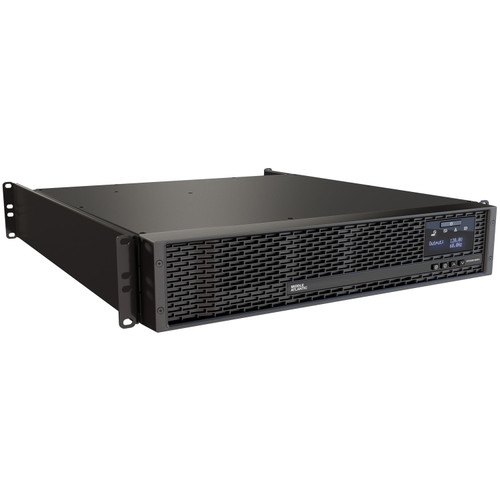
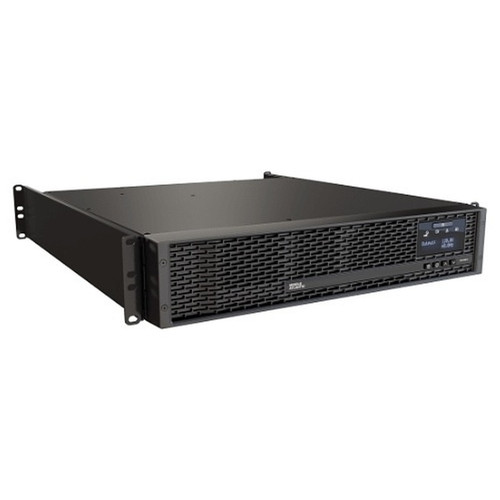
Both the Middle Atlantic UPX-RLNK-1000R-8 and UPX-1000R-2 are 1000VA NEXSYS rack-mount UPS units from Middle Atlantic, sharing the same voltage class, form factor, and core electrical architecture. The comparison targets installers and IT buyers evaluating a 1000VA 2RU rackmount UPS for AV, security, or IT rack deployments. The primary differentiator apparent from the provided specifications is the outlet-control feature set implied by the model suffix (-8 vs -2), alongside a minor shipping weight variance. All other published specs are identical between the two units.
In This Guide
- How do the outlet-control and load-management capabilities differ between the RLNK-1000R-8 and UPX-1000R-2?
- Are the physical footprint, electrical ratings, and environmental tolerances identical across both models?
- What compliance, integration, and platform considerations should buyers evaluate before selecting either unit?
- Which should you choose: the RLNK-1000R-8 or the UPX-1000R-2?
- Side-by-Side Specs
- FAQ
How do the outlet-control and load-management capabilities differ between the RLNK-1000R-8 and UPX-1000R-2?
The model suffix is the clearest spec-derived signal available: the UPX-RLNK-1000R-8 carries 'RLNK' in its SKU, indicating integration with Middle Atlantic's RLNK network-controlled outlet platform, and the '8' suffix conventionally denotes eight individually switchable NEMA 5-15R receptacles. The UPX-1000R-2 suffix '-2' conventionally denotes two controlled outlet banks. Both units list 'NEMA 5-15R' as the receptacle type and 'NEXSYS UPS' as the special feature, but the number of individually addressable outlets is not explicitly quantified in the provided spec fields beyond the model naming convention.
For deployments requiring granular per-device remote reboot or load-shedding — for example, cycling IP cameras, NVRs, or access control panels individually without a site visit — the RLNK-1000R-8's eight-outlet network control architecture is directly relevant. The UPX-1000R-2's two-bank structure suits simpler segmentation scenarios (e.g., UPS-protected vs. surge-only loads). Neither unit's spec sheet quantifies the network management protocol, SNMP support, or software integration in the fields provided.
Are the physical footprint, electrical ratings, and environmental tolerances identical across both models?
On every published physical and electrical specification, the two units are identical. Both occupy 2RU and measure 19 in (48.3 cm) wide × 16 in (40.6 cm) deep × 3.46 in (8.8 cm) tall. Both draw from a 120 VAC input via a NEMA 5-15P plug on a 6 ft (1.8 m) cord, and both output 36 VDC. Operating temperature range is 32°–104°F (0°–40°C) for each. Unit weight is 44.1 lbs (20 kg) for both, and both have four rack-mounting points.
The only physical variance is shipping weight: the RLNK-1000R-8 ships at 52 lbs (23.6 kg) versus 50.26 lbs (22.8 kg) for the UPX-1000R-2), a 1.74 lb (0.8 kg) difference attributable to packaging or included hardware. Both are manufactured in China and are not TAA compliant — a disqualifying factor for U.S. federal procurement under the Trade Agreements Act.
What compliance, integration, and platform considerations should buyers evaluate before selecting either unit?
Neither unit is TAA compliant per the provided specifications, which eliminates both from GSA Schedule, federal agency, and many state/local government bids requiring TAA-compliant power infrastructure. Buyers on those procurement vehicles must look elsewhere regardless of outlet-count preference.
Both carry the NEXSYS UPS designation, indicating shared battery and inverter platform lineage within Middle Atlantic's product family. The RLNK designation on the RLNK-1000R-8 implies compatibility with Middle Atlantic's RLNK ecosystem for network-based outlet switching and monitoring, but the specific management protocols (SNMP, REST API, proprietary), compatible NMS platforms, and any required licenses or controllers are not present in the supplied specifications. Integrators planning IP-based remote management should consult the respective datasheets — UPX-RLNK-1000R-8.pdf and UPX-1000R-2.pdf — before finalizing selection. UPC codes differ (656747395635 vs. 656747395574), confirming these are distinct, separately stocked SKUs.
Which should you choose: the RLNK-1000R-8 or the UPX-1000R-2?
Our take: The UPX-RLNK-1000R-8 is the stronger choice when per-outlet network control over eight individually addressable receptacles is a deployment requirement. Against the UPX-1000R-2, the key spec-derived deltas are: (1) outlet granularity — the RLNK-1000R-8's eight-outlet RLNK-networked architecture versus the UPX-1000R-2's two-bank layout, enabling finer remote reboot and load-shedding control per connected device; (2) shipping weight — RLNK-1000R-8 at 52 lbs (23.6 kg) versus UPX-1000R-2 at 50.26 lbs (22.8 kg), a minor logistical distinction; (3) all core electrical and physical specs — 1000VA, 120 VAC input, 36 VDC output, 2RU, 44.1 lbs unit weight, 6 ft cord — are identical. The UPX-1000R-2 suits installations needing simpler two-bank load segmentation at potentially lower acquisition cost. Neither unit is TAA compliant, disqualifying both from federal procurement.
Side-by-Side Comparison
Spec-for-spec, from manufacturer data.
| Specification | Middle Atlantic RLNK-1000R-8 | Middle Atlantic UPX-1000R-2 |
|---|---|---|
| SKU | UPX-RLNK-1000R-8 | UPX-1000R-2 |
| Special Feature | NEXSYS UPS / RLNK Outlet Control | NEXSYS UPS / Bank Outlet Control |
| Mount Type | Rack | Rack |
| Rack Units | 2 RU | 2 RU |
| Input Voltage | 120 VAC | 120 VAC |
| Output Voltage | 36 VDC | 36 VDC |
| Plug Type | NEMA 5-15P | NEMA 5-15P |
| Receptacle Type | NEMA 5-15R | NEMA 5-15R |
| Cord Length | 6 ft (1.8 m) | 6 ft (1.8 m) |
| Width | 19 in (48.3 cm) | 19 in (48.3 cm) |
| Depth | 16 in (40.6 cm) | 16 in (40.6 cm) |
| Height | 3.46 in (8.8 cm) | 3.46 in (8.8 cm) |
| Unit Weight | 44.1 lbs (20 kg) | 44.1 lbs (20 kg) |
| Shipping Weight | 52 lbs (23.6 kg) | 50.26 lbs (22.8 kg) |
| Operating Temp | 32°–104°F (0°–40°C) | 32°–104°F (0°–40°C) |
| TAA Compliant | No | No |
| Country of Origin | China | China |
| UPC | 656747395635 | 656747395574 |
Frequently Asked Questions
Which should you choose: the RLNK-1000R-8 or the UPX-1000R-2?
The UPX-RLNK-1000R-8 is the stronger choice when per-outlet network control over eight individually addressable receptacles is a deployment requirement. Against the UPX-1000R-2, the key spec-derived deltas are: (1) outlet granularity — the RLNK-1000R-8's eight-outlet RLNK-networked architecture versus the UPX-1000R-2's two-bank layout, enabling finer remote reboot and load-shedding control per connected device; (2) shipping weight — RLNK-1000R-8 at 52 lbs (23.6 kg) versus UPX-1000R-2 at 50.26 lbs (22.8 kg), a minor logistical distinction; (3) all core electrical and physical specs — 1000VA, 120 VAC input, 36 VDC output, 2RU, 44.1 lbs unit weight, 6 ft cord — are identical. The UPX-1000R-2 suits installations needing simpler two-bank load segmentation at potentially lower acquisition cost. Neither unit is TAA compliant, disqualifying both from federal procurement.
Is the UPX-RLNK-1000R-8 or UPX-1000R-2 better for larger security deployments with many individually controlled devices?
Based on the provided specifications, the UPX-RLNK-1000R-8 is more suited to larger deployments requiring per-device outlet control, as its model designation indicates eight network-addressable outlets via Middle Atlantic's RLNK platform. The UPX-1000R-2's two-bank structure provides less granular control. However, the exact number of outlets and network management capabilities are not fully detailed in the supplied specs — consult the UPX-RLNK-1000R-8.pdf datasheet for confirmation.
Do both units fit in a standard 2RU rack space and use the same power cord?
Yes. Both the UPX-RLNK-1000R-8 and UPX-1000R-2 occupy 2 rack units, measure 19 in wide × 16 in deep × 3.46 in tall, and connect via a NEMA 5-15P plug on a 6 ft (1.8 m) cord. Physical installation requirements are identical across both models per the provided specifications.
Are either of these UPS units TAA compliant for government or federal procurement?
No. Both the UPX-RLNK-1000R-8 and UPX-1000R-2 are listed as TAA Compliant: No in the provided specifications, and both are manufactured in China. Neither unit qualifies for GSA Schedule or federal acquisitions subject to the Trade Agreements Act.
More UPS Comparisons
- CyberPower PR1000RTXL2UC vs APC by Schneider Electric SURT1000RMXLI
- CyberPower PR1000RTXL2UC vs APC by Schneider Electric SMT1000CUS
- CyberPower PR1000RTXL2UC vs Vertiv GXT5-1000LVRT2UXL
- CyberPower PR1000RTXL2UC vs APC by Schneider Electric SMT1000J
- CyberPower PR1000RTXL2UC vs CyberPower CP1000PFCLCD
- CyberPower PR1000RTXL2UC vs CyberPower PR1000LCD
UPS Buying Guides
Get a Second Opinion on Your Camera Choice
Share your site layout, coverage goals, and budget. Our team will validate the camera selection, flag anything we would change, and recommend products that match the use case.