
Best UPS for Medical Offices
UPS for medical and dental offices — clean power for EHR servers, imaging and front-desk systems, runtime for graceful shutdown, and quiet line-interactive or online units.

Eden Phillips
Networking & Infrastructure Specialist · Working integrator
Bottom line
Medical offices need UPS systems that deliver clean, stable power to EHR servers and imaging equipment without noise or downtime risk. A 1500–3000VA line-interactive or online unit with managed runtime (10–15 min minimum) and remote monitoring suits most setups; choose based on total connected load, rack vs. tower form factor, and whether you need SNMP/managed shutdown integration.
What This Setup Needs
UPS selection for medical facilities balances runtime, power quality, form factor, and management capability. Unlike general IT, medical environments demand both equipment protection and documented graceful shutdown for compliance.
- Connected Load & Runtime: Total wattage of EHR server, imaging workstation, network gear, and front-desk systems determines VA rating. Medical offices typically run 800–2500W; budget 1500–3000VA UPS for 10–15 min runtime at half load (enough for clean shutdown and data flush).
- Topology: Line-Interactive vs. Online: Line-interactive (SMT/SMX, PRL, PR models) switches to battery under load variation—good for office power sags; less noise. Online (GXT5) conditions AC continuously—cleaner for sensitive imaging gear but consumes more power and generates heat. Medical offices usually benefit from line-interactive unless imaging specs demand online.
- Form Factor: Rack vs. Tower: Rack-mount (2U depth) fits server rooms; tower sits under desk or in closet. Medical offices with dedicated server rooms prefer rack; small practices often need tower to save space and reduce noise in patient areas.
- Remote Monitoring & Managed Shutdown: SNMP, USB, or serial connectivity allows EHR software to trigger safe shutdown when battery depletes. Critical for HIPAA compliance (graceful data sync) and unattended off-hours protection. Verify integrator-managed firmware updates.
- Thermal & Acoustic Footprint: UPS in or near clinical areas must run quiet (under 50 dB typical at half load). Check operating temperature range; medical offices with poor HVAC need units rated for warmer ambient. Fan noise matters—line-interactive units run cooler than online equivalents.
- Battery Lifespan & Serviceability: Sealed lead-acid batteries last 3–5 years; check replacement cost upfront. Some models use user-replaceable cartridges (lower cost); others require vendor swap. Medical practices should budget annual replacement into capex.
- Certification & Support: Ensure UPS carries UL/IEC marks and comes with multi-year warranty. Medical integrators need channel-direct sourcing with reliable tech support for firmware updates and battery service scheduling.
Our Picks
Selected from our catalog by spec-fit. All channel-direct and factory-new — not ranked by price.
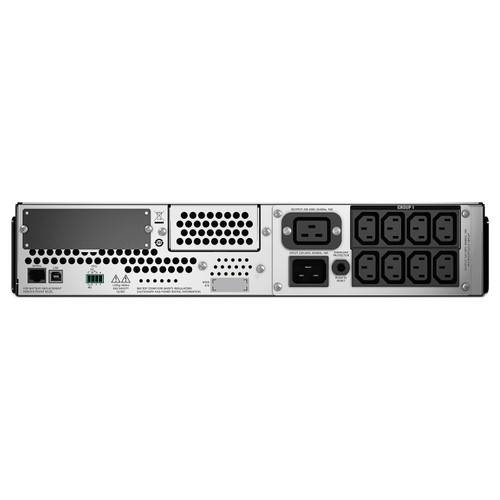
APC by Schneider Electric SMT3000RMI2U
3000VA
3000VA line-interactive, 2U rack mount. Well-suited for multi-workstation medical offices (EHR server + imaging PC + network core) needing 12–15 min runtime and dense server-room mounting. SmartConnect firmware enables managed EHR shutdown; factory-new stock channel-direct.
View product →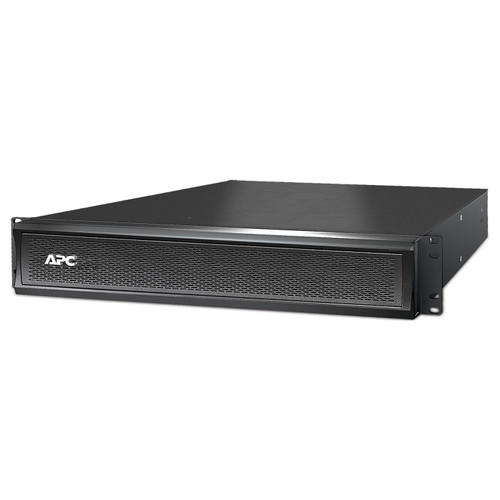
APC by Schneider Electric SMX1500RMI2U
1500VA
1500VA line-interactive, 2U rack form factor. Strong fit for small-to-mid practices with single EHR server and imaging workstation on shared power; delivers 8–10 min runtime and quieter operation than online topology. Compact rack depth suits tight server closets.
View product →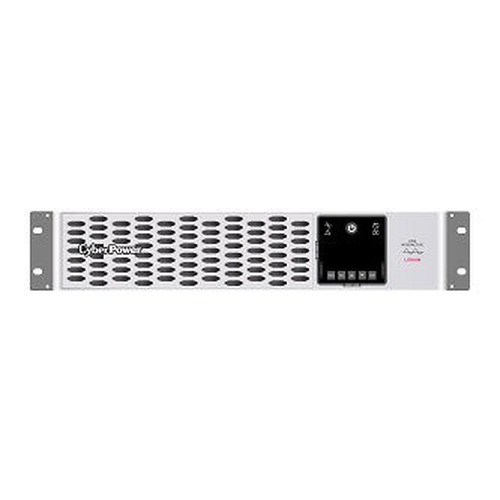
CyberPower PRL1500RT2UC
1500VA
1500VA rack/tower hybrid, 32–104°F operating range. Flexible mounting (2U or standalone tower) for medical offices without dedicated server rooms; CyberPower managed firmware integrates with EHR shutdown APIs. Handles modest thermal swings in patient-area closets.
View product →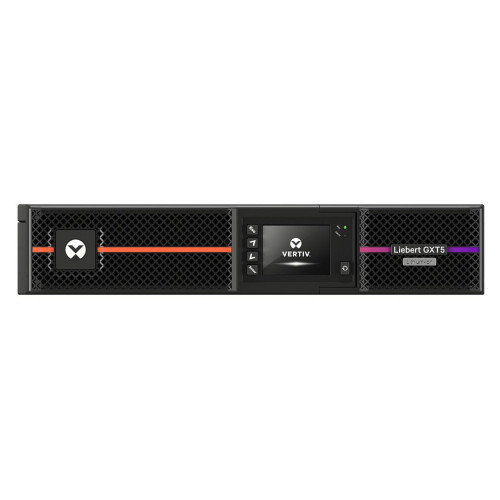
Vertiv GXT5-3000LVRT2UXL
3000VA
3000VA double-conversion online UPS, 2U rack, 120V AC. Best for imaging departments or diagnostic suites requiring pristine power conditioning; continuous AC processing eliminates switching noise. Higher power draw and heat output—requires adequate server-room cooling.
View product →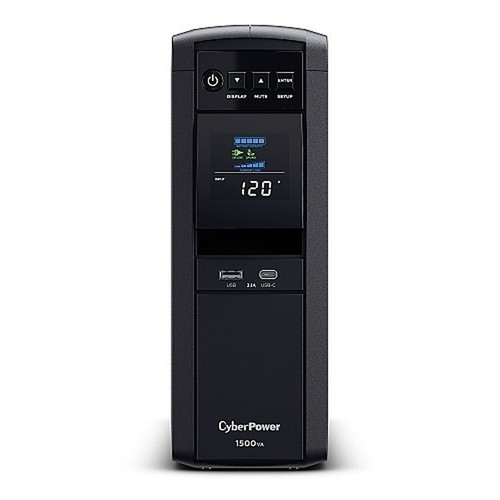
CyberPower PR1000RTXL2UC
1000VA
1000VA rack/tower convertible, 32–104°F range. Entry-level fit for practices with lightweight EHR front-end or dental-office imaging only (not large radiology); meets basic shutdown runtime with lower capex and space footprint.
View product →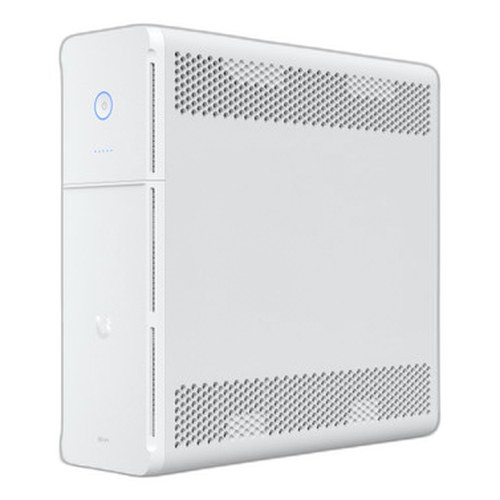
Ubiquiti UPS-TOWER-US
1kVA
1kVA desktop tower, designed for small clinic sites (0–40°C indoor spec). Ubiquiti format fits practices prioritizing simplicity and quiet operation in reception areas or small exam rooms; limited thermal tolerance—avoid warm/humid climates without supplemental HVAC.
View product →Frequently Asked Questions
How do I size UPS for my medical office?
Total the continuous wattage of your EHR server (typically 300–600W), imaging workstation (400–800W), network switches/router (100–200W), and front-desk PC (100–150W). Multiply by 1.3 for headroom, then divide by 0.7 (VA-to-W efficiency) to get minimum VA rating. A 1500VA unit covers most small-to-mid practices; 3000VA handles multi-suite facilities or redundant imaging. Budget for 10–15 min runtime; anything less risks incomplete database flush and HIPAA audit risk.
Line-interactive or online UPS for an imaging practice?
Line-interactive (SMT, SMX, PRL, PR models) handles most medical offices well: quieter, cooler, and sufficient power conditioning for EHR and standard imaging (ultrasound, intraoral X-ray). Choose online (GXT5) only if your imaging vendor specifies clean sine-wave AC or if you operate diagnostic-grade equipment (CT, MRI peripheral systems). Online units draw 2–3× standby power and generate 10+ dB more noise—measure total cost of ownership before upgrading.
What's the difference between rack and tower UPS for a small dental office?
Rack UPS (2U depth, e.g., SMT3000RMI2U) fits organized server rooms and saves floor space but requires a cabinet. Tower units (e.g., PR1000RTXL2UC, UPS-TOWER-US) sit in closets or under counters—easier to install without infrastructure, but louder in patient areas and less scalable. For solo practices without a server room, tower is pragmatic; multi-location practices benefit from standardizing on rack for serviceability.
How do I integrate UPS shutdown with EHR software?
Most modern UPS models ship with USB or SNMP connectivity; your EHR vendor supplies a monitoring agent that detects low battery and triggers a graceful halt (data sync, logs close, VMs shut down cleanly). Verify before purchase that your EHR version supports the UPS firmware you're buying. CyberPower and APC models work with Epic, Cerner, and most cloud-based EHR APIs; Vertiv units require more custom scripting. Factor in integrator setup time for initial testing.
How often do I replace the UPS battery?
Sealed lead-acid batteries in medical-grade UPS units last 3–5 years depending on ambient temperature, charge cycles, and whether the unit is in constant float mode. Budget $500–$1,500 for replacement cartridges on 3000VA models; 1500VA replacements run $300–$700. Some units use field-swappable modules (lower labor cost); others require technician service. Discuss replacement plans with your channel integrator upfront to avoid surprises.
Can I use a consumer UPS for a medical office?
No—consumer UPS units lack SNMP/managed shutdown, have shorter warranties, and don't meet medical facility power-quality standards or audit requirements. Commercial-grade UPS (APC Smart-UPS, CyberPower Professional, Vertiv GXT) carry multi-year support, firmware updates, and documented shutdown APIs that integrate with EHR compliance logging. Regulatory and insurance requirements typically mandate commercial topology; the cost difference ($300–$800) is negligible over a 5-year lifecycle.
Related Resources
- UPS comparisons — head-to-head spec matchups
- UPS Buying Guide for Network & Security Systems
- Best UPS for a Network Rack or NVR
- Best UPS for a Server Room
- All product comparisons
Speccing this for a project?
Send us your requirements and our senior specialists will confirm specs, compatibility, availability and pricing — free, usually within one business day. Channel-direct, factory-new, serving commercial integrators since 2014.
Get a Free QuoteComparing for a project?
Send us the models you are weighing and our team will confirm specs, compatibility, availability, and pricing — free, usually within one business day.