How do I size an NVR for my cameras?
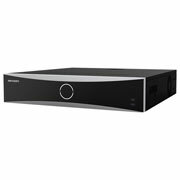
Start with aggregate bitrate, not channel count. Estimate per-camera bitrate (2 Mbps for 2MP H.265, 4-6 Mbps for 4K H.265 on busy scenes) and sum across all cameras. Ensure the NVR's total-bitrate rating exceeds your sum by at least 20%. Then size storage: total bitrate × seconds × retention days ÷ 8 = bytes. Our retention math guide walks through the complete formula.
Are Hikvision NVRs NDAA compliant?
No. Hikvision and Dahua NVRs fall under the same NDAA Section 889 restrictions as their cameras — excluded from U.S. federal, state government, and critical-infrastructure procurement. NDAA-compliant NVR options include Axis Camera Station, Hanwha Wisenet, i-PRO, Digital Watchdog, and Bosch DIVAR.
Do I need surveillance-grade hard drives?
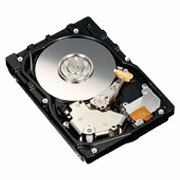
Yes — standard desktop or NAS drives will fail prematurely under 24/7 write workload. Seagate SkyHawk and Western Digital Purple are purpose-engineered for surveillance workloads (180 TB/yr rating, multi-drive vibration tolerance, optimized firmware for streaming writes). The cost difference vs. desktop drives is marginal; the failure rate difference is catastrophic.
What's the difference between an NVR and a VMS?
An NVR is a turnkey appliance — tested hardware + software combo, typically 8-64 channels, easy to deploy. A VMS (Video Management System) is server-based software that runs on standard x86 hardware and scales to thousands of channels, mixes any ONVIF cameras, and integrates with enterprise systems. Rule of thumb: NVR for single-site <64 channels; VMS for multi-site, >64 channels, or enterprise integration. See our VMS platform guide.
Can I mix camera brands on one NVR?
It depends. Appliance NVRs (Axis Camera Station, Hanwha Wisenet) typically support their own brand plus ONVIF cameras with limited analytics interop. Server-based VMS platforms (Milestone, Genetec, Exacq) routinely mix Axis, Hanwha, i-PRO, Hikvision, Bosch on one server — as long as all are ONVIF Profile S + G certified. Vendor-specific AI/analytics metadata may require the matching VMS.
What RAID level should I use for surveillance storage?
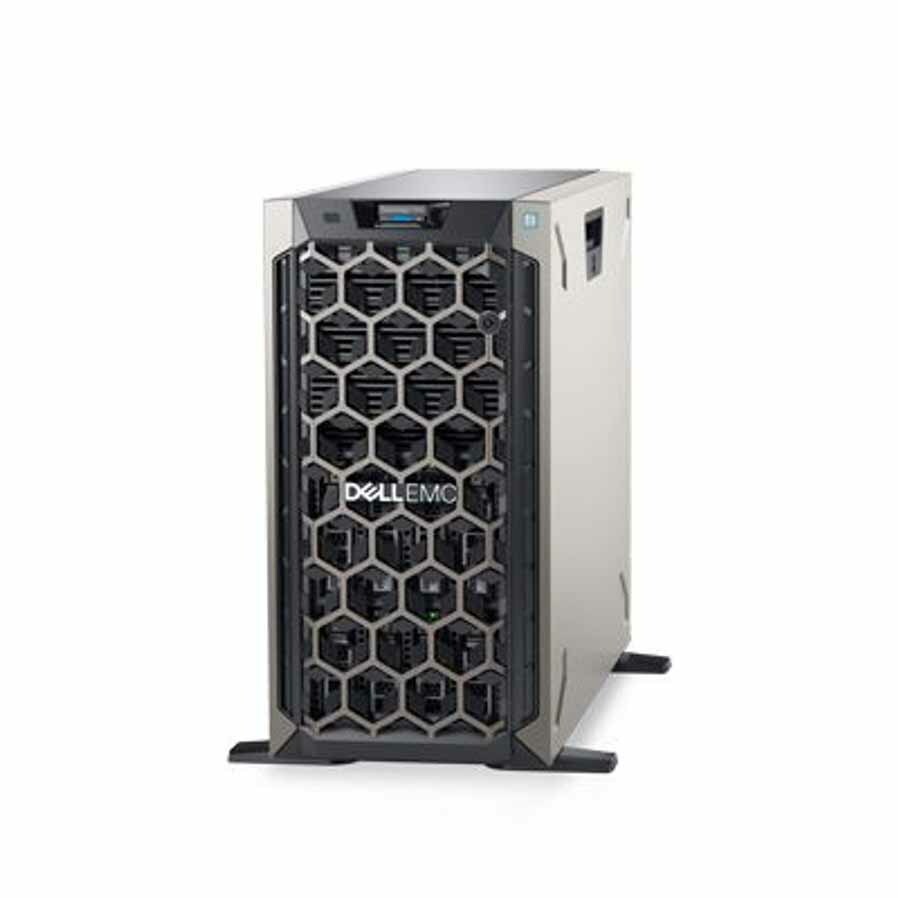
RAID 5 for 4-8 drive arrays (single-drive tolerance, ~80% storage efficiency). RAID 6 for 8+ drive arrays where rebuild time is long and second-drive failure during rebuild is a realistic risk. RAID 10 for analytics-heavy VMS servers that mix high write + read workloads. Never RAID 0 for production. Size all arrays for rebuild-time performance — 4x normal bitrate is typical during a rebuild.