
Showing Results for Network Switches
-
Save $1,239.01
Comnet Four FVT1C1BM1 and One FVR4C4BM4 mm 4 fiber - COMPAK4VB
4-channel fiber optic video transmission system designed for long-distance CCTV signal transport in environments where copper runs are impractical or
Usually Ships in 2-3 Weeks Free shipping over $499$3,360.00 $2,120.99 Save $1,239.01 -
Save $111.76
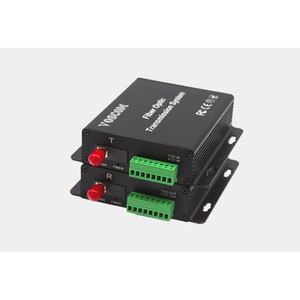
Comnet FRA2C1M1 Audio/Contact Receiver - 1 Fiber
2-channel audio receiver designed to extend microphone and line-level audio signals across multimode fiber up to 48 kilometers (30 miles)
Usually Ships in 2-3 Weeks Free shipping over $499$393.75 $281.99 Save $111.76 -
Save $406.51

Comnet FVT/R15M2 Video + Reverse Data mm 2 fiber - COMPAK15M2
Single-channel fiber-optic video and reverse-data extender designed to carry composite (NTSC, PAL, SECAM) video signals and control data
Usually Ships in 2-3 Weeks Free shipping over $499$1,102.50 $695.99 Save $406.51 -
Save $2,713.01

ComNet FVT812S1 11-Port Unmanaged Gigabit Switch
11-port gigabit switch, DIN rail mount, zero-config plug-and-play
- All 11 ports run full-duplex gigabit, handling simultaneous video and data streams.
- Unmanaged design means zero configuration—traffic flows immediately on power-up.
- DIN rail mount fits standard enclosures; lifetime warranty covers field deployments.
Usually Ships in 2-3 Weeks Free shipping over $499$7,357.00 $4,643.99 Save $2,713.01 -
Save $2,441.01
ComNet FVT81S1 11-Port Unmanaged Gigabit Switch
11-port gigabit switch for video surveillance, plug-and-play unmanaged
- All 11 ports run at 1 Gbps, sustaining high-bitrate video streams without bottlenecks.
- Unmanaged plug-and-play design eliminates VLAN and spanning tree config for fast deployment.
- DIN rail mount fits standard 35 mm rails; fanless build removes cooling maintenance needs.
Usually Ships in 2-3 Weeks Free shipping over $499$6,620.00 $4,178.99 Save $2,441.01 -
Save $2,427.01

Comnet HARDENED MANAGED ETHERNET - CNGE24MS2
24-port managed Ethernet switch engineered for outdoor and harsh-environment surveillance and industrial deployments
Usually Ships in 2-3 Weeks Free shipping over $499$6,582.00 $4,154.99 Save $2,427.01 -
Save $1,715.01

Comnet Hardened Managed Ethernet Switch 2 SFP 8 RJ45 Ports with 90 Watt PoE - CNGE10FX2TX8MSBT
Hardened managed switch purpose-built for video surveillance and industrial automation networks where temperature extremes, vibration, and electrical
Usually Ships in 2-3 Weeks Free shipping over $499$4,650.00 $2,934.99 Save $1,715.01 -
Save $413.46

Comnet Lite Blue 8-Door Web-Based Access Control Platform - VLB
N 8-door web-based access control platform designed for small- to medium-sized deployments where you need straightforward door management without
Usually Ships in 2-3 Weeks Free shipping over $499$1,122.45 $708.99 Save $413.46 -
Save $52.91

Comnet Low Voltage 8 Output Power Distribution Module - PDM-8
N 8-output low-voltage power distribution module designed to manage multiple surveillance camera feeds and accessory loads from a single source
Usually Ships in 2-3 Weeks Free shipping over $499$144.90 $91.99 Save $52.91 -
Save $2,603.01

Comnet M4-E2276G-16-D1920G480-S19 4 Bay SSD
Purpose-built management server for surveillance environments requiring reliable video management, indexing, and archival across multi-camera
Usually Ships in 2-3 Weeks Free shipping over $499$11,640.00 $9,036.99 Save $2,603.01 -
Save $2,885.01
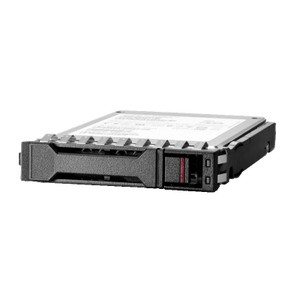
Comnet M4-E2276G-32-D1920G480N-S19 Server
4-bay SSD-based management server purpose-built for mid-to-large surveillance deployments and edge VMS workloads
Usually Ships in 2-3 Weeks Free shipping over $499$12,900.00 $10,014.99 Save $2,885.01 -
Save $195.01
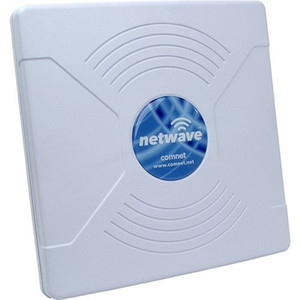
ComNet NWADA1 11-Port Gigabit Unmanaged DIN Rail Switch
11-port Gigabit switch on DIN rail—plug-and-play, no config
- All 11 ports run at 1 Gbps, supporting simultaneous HD camera and access control traffic.
- Integrated 35mm DIN rail mount installs directly in cabinets—no brackets or extra hardware.
- Unmanaged plug-and-play design eliminates config time; backed by a lifetime warranty.
Usually Ships in 2-3 Weeks Free shipping over $499$531.00 $335.99 Save $195.01 -
Save $305.01
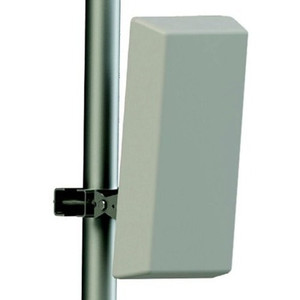
ComNet NWAVBSA1 11-Port Gigabit Industrial Switch
11-port gigabit switch for industrial field networks, unmanaged plug-and-play
- All 11 ports run at 1 Gbps, eliminating bottlenecks across simultaneous device connections.
- Unmanaged plug-and-play operation requires zero configuration, reducing deployment time in the field.
- DIN rail and pole/rack mount options with included hardware support flexible enclosure installs.
Usually Ships in 2-3 Weeks Free shipping over $499$827.00 $521.99 Save $305.01 -
Save $40.01

Comnet NWBKT 11-Port Gigabit Unmanaged DIN Rail Switch
11-port gigabit unmanaged switch for DIN rail security deployments
- All 11 ports run at 1 Gbps full line-rate, eliminating bottlenecks in multi-camera deployments.
- Unmanaged plug-and-play operation requires zero configuration, reducing installation time on every job.
- Standard 35mm DIN rail mount fits directly into control panels and wall-mount cabinets, backed by a lifetime warranty.
Usually Ships in 2-3 Weeks Free shipping over $499$110.00 $69.99 Save $40.01 -
Save $2,668.01
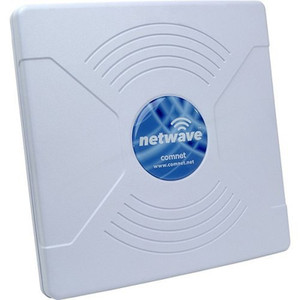
ComNet NWKBB100 11-Port Gigabit Unmanaged DIN Rail Switch
11-port Gigabit DIN rail switch, plug-and-play unmanaged
- 11 Gigabit ports deliver full line-rate switching for cameras, NVRs, and access control.
- DIN rail mount fits standard 35mm rails for fast cabinet or wall-box installation.
- Unmanaged plug-and-play operation eliminates configuration overhead in fixed topologies.
Usually Ships in 2-3 Weeks Free shipping over $499$7,235.00 $4,566.99 Save $2,668.01 -
Save $4,051.01

Comnet NWKBB200 11-Port Gigabit Unmanaged Switch
11-port Gigabit unmanaged switch with DIN rail mount for plug-and-play security networks
- 11 Gigabit ports handle simultaneous IP video, access control, and sensor traffic.
- Unmanaged architecture means zero configuration—power on and connect immediately.
- DIN rail mount fits directly into control cabinets and electrical enclosures.
Usually Ships in 2-3 Weeks Free shipping over $499$10,983.00 $6,931.99 Save $4,051.01 -
Save $56.29
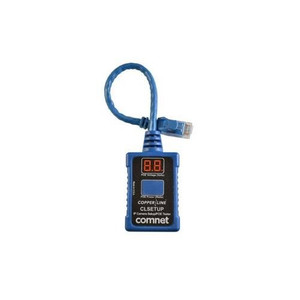
Comnet POE Setup Tool - CLSETUP
Field diagnostic and installation tool built for integrators working with PoE-powered IP surveillance cameras across both traditional CCTV and
Usually Ships in 2-3 Weeks Free shipping over $499$198.28 $141.99 Save $56.29 -
Save $159.01

Comnet PoE+ Injector - CNGE1IPS
30-watt PoE+ midspan injector designed to deliver power and data over a single Ethernet run to remote surveillance cameras, access control equipment
Usually Ships in 2-3 Weeks Free shipping over $499$433.00 $273.99 Save $159.01 -
Save $851.01

Comnet RLGE2+1SMSPOEHO 3-Port Managed PoE Switch
3-port managed PoE switch for compact edge deployments
- Managed switching with VLAN and QoS support gives integrators granular edge control.
- PoE++ (802.3bt) port powers high-wattage devices without a separate injector.
- Lifetime warranty backs this 3-port, 10/100 Mbps switch in long-term deployments.
Usually Ships in 2-3 Weeks Free shipping over $499$2,309.00 $1,457.99 Save $851.01 -
Save $1,271.01

Comnet RLGE3FE7MS4 3x1000M + 7x100M Managed Switch
10-port hardened managed Layer 2 switch designed for industrial and utility environments where commercial gear fails — substations, railway
Usually Ships in 2-3 Weeks Free shipping over $499$3,448.00 $2,176.99 Save $1,271.01 -
Save $1,064.01
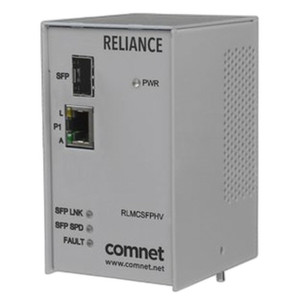
ComNet RLMCSFPPOEHO 11-Port Gigabit DIN Rail Switch
11-port gigabit DIN rail switch for industrial field deployment
- All 11 ports run at 1000 Mbps, supporting high-throughput edge deployments.
- PoE++ (802.3bt) with 60 W budget powers demanding devices from a single switch.
- 35 mm DIN rail mount and industrial-grade rating simplify harsh-environment installs.
Usually Ships in 2-3 Weeks Free shipping over $499$2,206.00 $1,141.99 Save $1,064.01 -
Save $0.76

Comnet RMB3 Rack Mount Adapter Kit
Dual-module rack mount adapter kit designed to mount two ComNet ValueLine network switches (models with 8.6-inch/217 mm width dimensions) into a
Usually Ships in 2-3 Weeks Free shipping over $499$57.75 $56.99 Save $0.76 -
Save $735.01
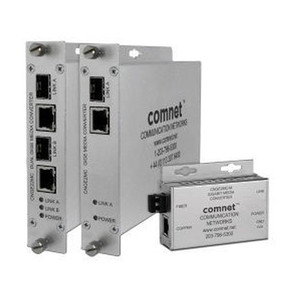
Comnet Small Size 1000 Mbps Media Converter - CNGE2MC-M
Single-channel, auto-negotiating Gigabit media converter that accepts 10/100/1000 Mbps electrical input and converts it to 1000 BASE-FX optical output
Usually Ships in 2-3 Weeks Free shipping over $499$1,775.00 $1,039.99 Save $735.01 -
Save $2,581.01
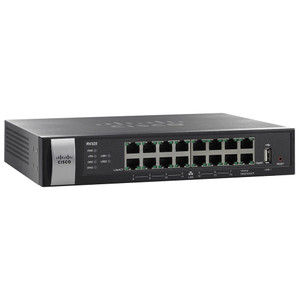
Comnet SS32-I5-32T8 32 PoE Ports
Hybrid surveillance appliance that bundles 32 PoE ports (360W total power delivery) with an embedded i5-10500TE processor and 32TB software-RAID
Usually Ships in 2-3 Weeks Free shipping over $499$11,540.00 $8,958.99 Save $2,581.01 -
Save $3,010.01

Comnet SS32-I5-56T14 32 PoE Ports 360W
Unified network surveillance appliance combining a managed PoE switch, compute platform, and dedicated storage array in a single 2U form factor
Usually Ships in 2-3 Weeks Free shipping over $499$13,460.00 $10,449.99 Save $3,010.01 -
Save $4,314.01
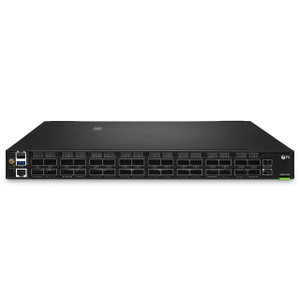
Comnet SS32L-I5-32T8RG 32 PoE Ports
Rackmount network video recorder and PoE switch built into a single 1U chassis — 32 PoE ports delivering 360W total power budget, an Intel Core
Usually Ships in 2-3 Weeks Free shipping over $499$19,290.00 $14,975.99 Save $4,314.01 -
Save $3,156.01
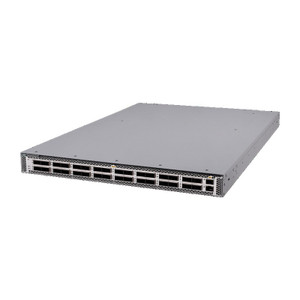
Comnet SS32L-I5-56T14G 32 PoE Ports 360W
Converged network and recording appliance designed to eliminate the dual-box installation footprint in small-to-medium surveillance deployments
Usually Ships in 2-3 Weeks Free shipping over $499$14,110.00 $10,953.99 Save $3,156.01 -
Save $4,632.01
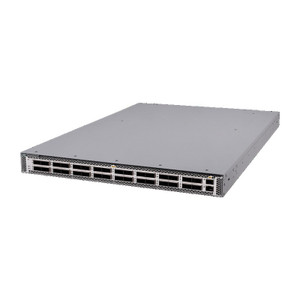
Comnet SS32L-I5-56T14RG 32 PoE Ports 360W
Hybrid network appliance that consolidates IP video aggregation, local storage, and edge compute into a single rack unit
Usually Ships in 2-3 Weeks Free shipping over $499$20,710.00 $16,077.99 Save $4,632.01 -
Save $3,514.01

Comnet SS32L-I5-72T18G 32 PoE Ports
Hybrid network video recorder and managed PoE switch in a single 1U chassis, purpose-built for mid-to-large surveillance deployments where you need
Usually Ships in 2-3 Weeks Free shipping over $499$15,710.00 $12,195.99 Save $3,514.01 -
Save $4,296.01

Comnet SS32LX-I5-24T6RG 32 PoE Ports
1U rackmount network video recorder and PoE switch hybrid designed for mid-to-large surveillance deployments where you need recording, storage, and
Usually Ships in 2-3 Weeks Free shipping over $499$19,210.00 $14,913.99 Save $4,296.01 -
Save $2,804.01
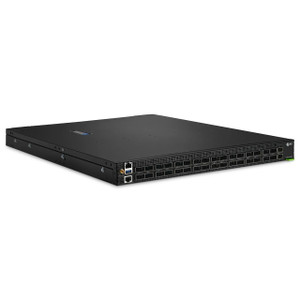
Comnet SS32LX-I5-32T8G 32 PoE Ports
Converged network video recorder and PoE power delivery appliance designed for mid-to-large surveillance deployments
Usually Ships in 2-3 Weeks Free shipping over $499$12,540.00 $9,735.99 Save $2,804.01 -
Save $3,234.01
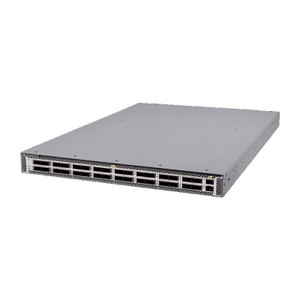
Comnet SS32LX-I5-56T14G 32 PoE Ports
Purpose-built surveillance server that consolidates 32 PoE ports, compute, and long-term storage in a single chassis
Usually Ships in 2-3 Weeks Free shipping over $499$14,460.00 $11,225.99 Save $3,234.01 -
Save $3,379.01

Comnet SS32LX-I5-64T16G 32 PoE Ports
1U hybrid appliance that merges network switching with local storage and compute — 32 PoE ports delivering 450W total across IP cameras, plus an
Usually Ships in 2-3 Weeks Free shipping over $499$15,110.00 $11,730.99 Save $3,379.01 -
Save $5,158.01
Comnet SS32LX-I5-72T18RG 32 PoE Ports 450W
Hybrid edge appliance combining a 32-port PoE switch fabric with an embedded Intel i5-10500TE processor and 72TB native storage capacity
Usually Ships in 2-3 Weeks Free shipping over $499$23,060.00 $17,901.99 Save $5,158.01 -
Save $4,209.01
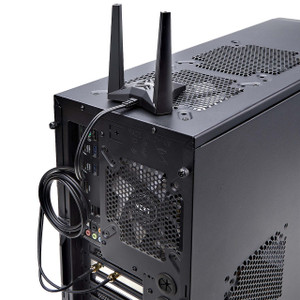
Comnet SS32X-I5-24T6R 32 PoE Ports
Managed 32-port PoE switch, an i5-10500TE processor, and 24TB of hardware RAID-protected storage into a single rack-mount appliance
Usually Ships in 2-3 Weeks Free shipping over $499$18,820.00 $14,610.99 Save $4,209.01 -
Save $4,719.01
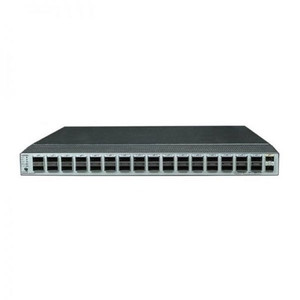
Comnet SS32X-I5-56T14R 32 PoE Ports
Hybrid device that combines a 32-port PoE switch with integrated surveillance storage and recording engine into a single 2U chassis
Usually Ships in 2-3 Weeks Free shipping over $499$21,100.00 $16,380.99 Save $4,719.01