
TP-Link SG2210XMP-M2 vs Ubiquiti USW-FLEX-2.5G-8: Specification Comparison
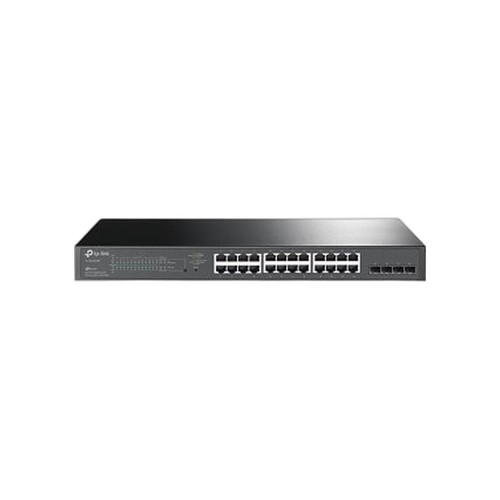
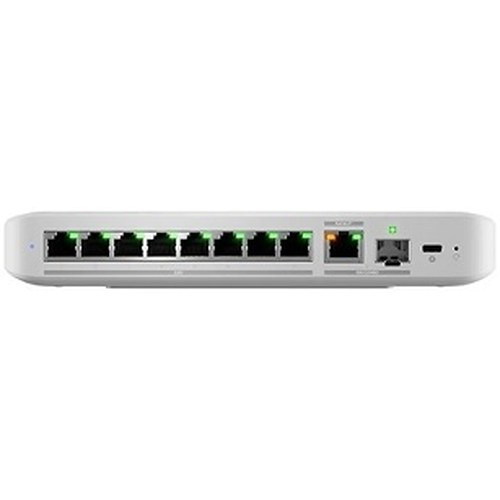
Both the TP-Link SG2210XMP-M2 and the Ubiquiti USW-FLEX-2.5G-8 are managed 8-port 2.5GbE switches with a single 10G uplink, targeting installers who need multi-gigabit edge switching for high-resolution IP camera clusters or dense wireless deployments. The core comparison turns on three axes: PoE delivery capability and budget, switching throughput and port architecture, and physical form factor with operating-environment tolerance. Neither unit is an accessory; both occupy the same product class and price tier a security or IT buyer would actively cross-shop.
In This Guide
- Which switch delivers more PoE power, and how does that affect camera or AP loading?
- How do switching capacity, throughput, and uplink architecture compare between the two units?
- Which unit is better suited to harsh or space-constrained installation environments?
- Which should you choose: the SG2210XMP-M2 or the USW-FLEX-2.5G-8?
- Side-by-Side Specs
- FAQ
Which switch delivers more PoE power, and how does that affect camera or AP loading?
The SG2210XMP-M2 carries a 160 W PoE budget across its 8 × 2.5G ports, with a maximum of 30 W per port under IEEE 802.3at (PoE+). That budget supports eight simultaneous 802.3at devices—sufficient for 5 MP and 8 MP IP cameras, mid-range PTZ units, or Wi-Fi 6 access points drawing up to 25 W. Total system power consumption reaches 193.3 W at full PoE load (measured at 220 V/50 Hz, 25 °C), supplied by a 53.5 VDC / 3.37 A external adapter.
The USW-FLEX-2.5G-8 is explicitly a non-PoE-sourcing switch. Its specified maximum power consumption is 14 W, and its power input is either USB-C (5 V DC, 3 A) or PoE+ in from an upstream switch—meaning it draws PoE passively for self-power only and does not budget any wattage for downstream powered devices. No PoE output budget is stated in the provided specifications. Buyers who need to power cameras or APs from the switch itself must select the SG2210XMP-M2; the USW-FLEX-2.5G-8 requires all attached devices to be self-powered.
How do switching capacity, throughput, and uplink architecture compare between the two units?
The SG2210XMP-M2 provides 80 Gbps switching capacity and a forwarding rate of 59.52 Mpps. Its uplink consists of 2 × 10G SFP+ slots accepting single-mode fiber transceivers, giving redundant 10G paths to a distribution layer or NVR. The eight downlink ports run at 2.5GBASE-T with a maximum copper reach of 64 m on Cat 6A.
The USW-FLEX-2.5G-8 delivers 60 Gbps switching capacity and 45 Mpps forwarding rate—noted in the specifications as non-blocking throughput of 30 Gbps. Its single uplink is a hybrid 10G port accepting either RJ45 copper or an SFP+ transceiver, offering installation flexibility but only one uplink path. The SG2210XMP-M2 therefore offers a 33 % higher switching capacity (80 vs. 60 Gbps), a 32 % higher forwarding rate (59.52 vs. 45 Mpps), and twice the uplink count (2 vs. 1), which matters for link aggregation or redundant fiber runs. The USW-FLEX-2.5G-8's hybrid uplink is advantageous where the installer has not yet committed to copper or fiber at the IDF.
Which unit is better suited to harsh or space-constrained installation environments?
The SG2210XMP-M2 measures 226 × 131.2 × 35 mm and supports wall, ceiling, and rack mounting. Its operating temperature range is −5 °C to 40 °C (23 °F to 104 °F), and its MTBF is rated at 275,278 hours at 25 °C. Memory is 32 MB Flash and 256 MB DRAM. The unit requires a mains-connected power adapter, so it depends on a nearby AC outlet or structured wiring closet.
The USW-FLEX-2.5G-8 measures 212.9 × 76 × 33.5 mm and weighs 395 g. Its mounting options include wall, DIN-rail, and magnetic surface attachment, and its polycarbonate enclosure is fanless. Critically, its operating temperature range extends to −20 °C to 45 °C (−4 °F to 113 °F)—25 °C colder at the low end than the TP-Link unit. It can be powered by a PoE+ cable from an upstream switch, eliminating the need for a local AC outlet entirely. NDAA compliance is stated for the USW-FLEX-2.5G-8; no NDAA claim appears in the SG2210XMP-M2 specifications. No MTBF figure is provided for the Ubiquiti unit.
Which should you choose: the SG2210XMP-M2 or the USW-FLEX-2.5G-8?
Our take: The SG2210XMP-M2 is the stronger choice when the installation requires PoE-powered edge devices, higher switching headroom, or redundant 10G fiber uplinks. It delivers 160 W of PoE+ budget versus zero PoE output on the USW-FLEX-2.5G-8, 80 Gbps switching capacity versus 60 Gbps, and two 10G SFP+ uplinks versus one hybrid port. Conversely, the USW-FLEX-2.5G-8 is the correct selection for self-powered device clusters in tight or harsh spaces: its −20 °C cold-temperature rating, PoE-in self-powering, DIN-rail and magnetic mount options, and stated NDAA compliance make it purpose-built for outdoor enclosures, industrial panels, and UniFi-managed deployments where no local AC outlet exists. Platform lock-in is a real factor—the SG2210XMP-M2 requires Omada SDN or standalone management, while the USW-FLEX-2.5G-8 is designed for the UniFi ecosystem.
Side-by-Side Comparison
Spec-for-spec, from manufacturer data.
| Specification | TP-Link SG2210XMP-M2 | Ubiquiti USW-FLEX-2.5G-8 |
|---|---|---|
| Product Type | Managed Ethernet Switch | Managed Ethernet Switch |
| Downlink Ports | 8 × 2.5GBASE-T | 8 × 2.5GbE |
| Uplink Port(s) | 2 × 10G SFP+ | 1 × 10G Hybrid (RJ45/SFP+) |
| Switching Capacity | 80 Gbps | 60 Gbps |
| Forwarding Rate | 59.52 Mpps | 45 Mpps |
| PoE Output Budget | 160 W (802.3at/af) | — |
| Max PoE per Port | 30 W | — |
| PoE Standard | 802.3af/at | PoE+ input only (self-power) |
| Power Input | 53.5 VDC / 3.37 A adapter | USB-C 5V/3A or PoE+ in |
| Max Power Consumption | 193.3 W (full PoE load) | 14 W |
| Operating Temp | −5 °C to 40 °C | −20 °C to 45 °C |
| Dimensions (mm) | 226 × 131.2 × 35 | 212.9 × 76 × 33.5 |
| Mount Options | Wall, Ceiling, Rack | Wall, DIN-rail, Magnetic |
| NDAA Compliant | — | Yes |
| VLAN Support | — | 256 VLANs |
| MTBF | 275,278 h @ 25 °C | — |
| Management Platform | Omada SDN / Standalone | UniFi (Ethernet managed) |
| Memory | 32 MB Flash, 256 MB DRAM | — |
Frequently Asked Questions
Which should you choose: the SG2210XMP-M2 or the USW-FLEX-2.5G-8?
The SG2210XMP-M2 is the stronger choice when the installation requires PoE-powered edge devices, higher switching headroom, or redundant 10G fiber uplinks. It delivers 160 W of PoE+ budget versus zero PoE output on the USW-FLEX-2.5G-8, 80 Gbps switching capacity versus 60 Gbps, and two 10G SFP+ uplinks versus one hybrid port. Conversely, the USW-FLEX-2.5G-8 is the correct selection for self-powered device clusters in tight or harsh spaces: its −20 °C cold-temperature rating, PoE-in self-powering, DIN-rail and magnetic mount options, and stated NDAA compliance make it purpose-built for outdoor enclosures, industrial panels, and UniFi-managed deployments where no local AC outlet exists. Platform lock-in is a real factor—the SG2210XMP-M2 requires Omada SDN or standalone management, while the USW-FLEX-2.5G-8 is designed for the UniFi ecosystem.
Can the USW-FLEX-2.5G-8 power cameras or access points over PoE?
Based on the provided specifications, the USW-FLEX-2.5G-8 does not output PoE to downstream devices. It can receive PoE+ input from an upstream switch to power itself, but no downstream PoE budget is stated. If you need to power cameras or APs from the switch, the SG2210XMP-M2 provides a 160 W PoE+ budget across its 8 ports.
Is the SG2210XMP-M2 or USW-FLEX-2.5G-8 better for larger deployments with multiple uplink paths?
The SG2210XMP-M2 includes two 10G SFP+ uplink ports, allowing link aggregation or redundant fiber connections to a distribution switch. The USW-FLEX-2.5G-8 has a single hybrid 10G uplink (RJ45 or SFP+). For deployments requiring uplink redundancy or LAG, the SG2210XMP-M2 is the only option between these two based on the provided specifications.
Which switch is better for outdoor or unheated enclosure installations?
The USW-FLEX-2.5G-8 is rated to −20 °C at the low end versus −5 °C for the SG2210XMP-M2—a 15 °C advantage in cold environments. Combined with its fanless polycarbonate enclosure, DIN-rail mount, and ability to run on PoE input without a local AC outlet, the USW-FLEX-2.5G-8 is better suited to outdoor cabinets or unheated spaces. The SG2210XMP-M2 also carries NDAA compliance in its specs; the SG2210XMP-M2 specifications do not include an NDAA claim.
More Network Switch Comparisons
- TP-Link SG2210XMP-M2 vs Comnet CNGE8MS
- TP-Link SG2210XMP-M2 vs Lantronix S2220-1014-NA
- TP-Link SG2210XMP-M2 vs TP-Link S4500-8GP
- TP-Link SG2210XMP-M2 vs TP-Link SG2008P
- TP-Link S4500-8GP vs Ubiquiti USW-FLEX-2.5G-8
- TP-Link S4500-8GP vs Comnet CNGE8MS
Network Switch Buying Guides
Get a Second Opinion on Your Camera Choice
Share your site layout, coverage goals, and budget. Our team will validate the camera selection, flag anything we would change, and recommend products that match the use case.