
TP-Link SG2210XMP-M2 vs Comnet CNGE8MS: Specification Comparison
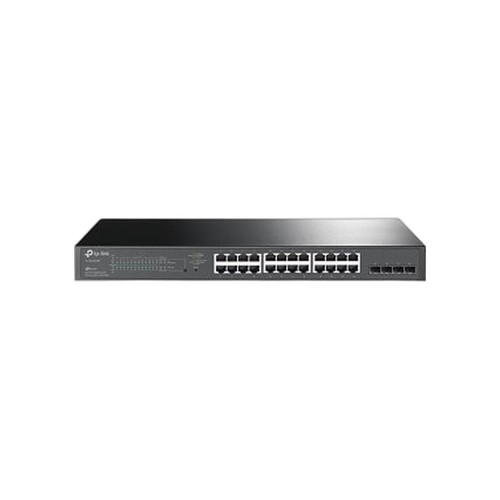
Both the TP-Link SG2210XMP-M2 and Comnet CNGE8MS are managed Ethernet switches with 8 ports, making them surface-level cross-shop candidates. However, they differ sharply in target environment, port speed, PoE capability, and ruggedization. The SG2210XMP-M2 is a 2.5G/10G PoE+ cloud-managed switch for indoor commercial deployments; the CNGE8MS is a hardened 1G DIN-rail switch built for industrial and outdoor-rated enclosures. This comparison examines performance and capacity, physical environment and power, and management and integration across both units.
In This Guide
- Which switch delivers more throughput and port density for your camera or device load?
- Which unit is rated for harsher physical environments and more flexible power inputs?
- Which switch offers the richer management ecosystem and protocol support for your infrastructure?
- Which should you choose: the SG2210XMP-M2 or the CNGE8MS?
- Side-by-Side Specs
- FAQ
Which switch delivers more throughput and port density for your camera or device load?
The SG2210XMP-M2 offers 8 × 2.5GBASE-T ports plus 2 × 10G SFP+ uplinks, yielding a switching capacity of 80 Gbps and a forwarding rate of 59.52 Mpps. Its 160W PoE+ budget (802.3af/at, 30W per port max) supports up to eight 2.5G-connected PoE devices simultaneously at full load, making it well-suited for high-resolution IP cameras or Wi-Fi 6 access points drawing meaningful power.
The CNGE8MS operates at 1000 Mbps across 4 × RJ-45 and 4 × SFP combo ports, with a switching bandwidth of 16 Gbps and a switching latency of 7 μs. It carries no PoE capability per the provided specifications. The MAC table supports 8,192 entries and up to 4,096 VLANs. For installations where Gigabit is sufficient and PoE is sourced elsewhere, the CNGE8MS's throughput is adequate; however, it cannot match the SG2210XMP-M2's per-port speed or PoE delivery.
Which unit is rated for harsher physical environments and more flexible power inputs?
The CNGE8MS is purpose-built for industrial environments, rated from -40°C to +75°C operating and -40°C to +85°C storage, with 5–95% non-condensing humidity tolerance. Its dual DC inputs accept 12–48 VDC, enabling integration with common industrial and transportation power buses without an AC adapter. Power consumption is 25W typical. DIN-rail and wall mounting options allow installation inside hardened enclosures or control cabinets.
The SG2210XMP-M2 is rated -5°C to +40°C operating with a 53.5 VDC / 3.37 A power adapter (AC-sourced). It supports wall, ceiling, and rack mounting and carries an MTBF of 275,278 hours at 25°C. Maximum power consumption is 193.3W (including up to 160W PoE load). It is not rated for sub-zero or high-heat industrial environments. Buyers deploying in traffic cabinets, factory floors, or outdoor enclosures should note the CNGE8MS's 115°C wider operating range as a hard differentiator.
Which switch offers the richer management ecosystem and protocol support for your infrastructure?
The SG2210XMP-M2 supports both standalone operation and TP-Link's Omada SDN Controller (cloud or on-premises), providing centralized GUI management, VLAN, QoS, and ONVIF compatibility as declared in its specifications. Memory is 32 MB Flash and 256 MB DRAM. The Omada ecosystem allows multi-site visibility and policy push from a single pane, which is relevant for integrators managing multiple commercial sites.
The CNGE8MS supports a broad IEEE standards set including 802.1Q VLANs (up to 4,096), 802.1x port authentication, 802.1AB (LLDP), 802.3ad link aggregation, and proprietary ring redundancy protocols (C-Ring, Legacy Ring, C-RSTP) for fault-tolerant loop topologies common in industrial networks. A lifetime warranty is specified. The provided specifications do not indicate cloud management, an SDN controller, or ONVIF declaration. For integrators building ring-topology or IEC-hardened networks, the CNGE8MS's redundancy protocols are a distinct capability the SG2210XMP-M2 does not list.
Which should you choose: the SG2210XMP-M2 or the CNGE8MS?
Our take: The SG2210XMP-M2 is the stronger choice when deploying high-bandwidth PoE cameras or Wi-Fi 6 APs in a temperature-controlled commercial or enterprise environment; the CNGE8MS is the correct choice when the installation demands industrial-grade environmental tolerance or ring-redundancy networking. Key spec deltas: switching capacity is 80 Gbps (SG2210XMP-M2) versus 16 Gbps (CNGE8MS); operating temperature range is -40°C to +75°C (CNGE8MS) versus -5°C to +40°C (SG2210XMP-M2); and only the SG2210XMP-M2 provides PoE+ at 160W total budget while the CNGE8MS lists no PoE. Integrators wiring a climate-controlled server room, retail space, or multi-tenant building should favor the SG2210XMP-M2 for its speed and PoE headroom. Integrators deploying in transportation, utilities, manufacturing, or outdoor enclosures — where sub-zero temperatures, wide voltage DC buses, and ring redundancy are requirements — should specify the CNGE8MS.
Side-by-Side Comparison
Spec-for-spec, from manufacturer data.
| Specification | TP-Link SG2210XMP-M2 | Comnet CNGE8MS |
|---|---|---|
| Port Count | 8 × 2.5G + 2 × 10G SFP+ | 4 × RJ-45 + 4 × SFP Combo (8 total) |
| Max Port Speed | 2.5GBASE-T / 10G SFP+ | 1000 Mbps |
| Switching Capacity | 80 Gbps | 16 Gbps |
| Forwarding Rate | 59.52 Mpps | — |
| PoE Support | 802.3af/at (PoE+) | Not specified |
| PoE Budget | 160W (30W per port max) | — |
| Operating Temperature | -5°C to +40°C | -40°C to +75°C |
| Storage Temperature | Not specified | -40°C to +85°C |
| Power Input | 53.5 VDC / 3.37 A adapter (AC-sourced) | Dual DC: 12–48 VDC |
| Power Consumption | 193.3W max / 15W standby | 25W typical |
| Mounting | Wall, Ceiling, Rack | DIN-Rail, Wall |
| Ring Redundancy | Not specified | C-Ring, Legacy Ring, C-RSTP |
| VLAN Support | Yes (Omada managed) | Up to 4,096 (802.1Q) |
| Management | Omada SDN (cloud + standalone) | Not specified in provided specs |
| ONVIF | Yes | Not specified |
| Warranty | Not specified in provided specs | Lifetime |
Frequently Asked Questions
Which should you choose: the SG2210XMP-M2 or the CNGE8MS?
The SG2210XMP-M2 is the stronger choice when deploying high-bandwidth PoE cameras or Wi-Fi 6 APs in a temperature-controlled commercial or enterprise environment; the CNGE8MS is the correct choice when the installation demands industrial-grade environmental tolerance or ring-redundancy networking. Key spec deltas: switching capacity is 80 Gbps (SG2210XMP-M2) versus 16 Gbps (CNGE8MS); operating temperature range is -40°C to +75°C (CNGE8MS) versus -5°C to +40°C (SG2210XMP-M2); and only the SG2210XMP-M2 provides PoE+ at 160W total budget while the CNGE8MS lists no PoE. Integrators wiring a climate-controlled server room, retail space, or multi-tenant building should favor the SG2210XMP-M2 for its speed and PoE headroom. Integrators deploying in transportation, utilities, manufacturing, or outdoor enclosures — where sub-zero temperatures, wide voltage DC buses, and ring redundancy are requirements — should specify the CNGE8MS.
Can either switch power IP cameras directly without a separate PoE injector?
Only the SG2210XMP-M2 provides PoE, supporting 802.3af/at on all 8 × 2.5G ports with a 160W total budget and 30W per-port maximum. The CNGE8MS does not list PoE capability in its specifications, so cameras or access points requiring powered Ethernet would need external PoE injectors or a separate PoE switch upstream.
Which switch is better suited for an outdoor or transit enclosure installation?
The CNGE8MS is rated -40°C to +75°C operating and accepts 12–48 VDC dual inputs, making it compatible with outdoor hardened enclosures and DC power systems common in transportation and utility projects. The SG2210XMP-M2 is rated only to -5°C minimum and requires an AC power adapter, which limits its suitability for unheated outdoor or industrial cabinet installations.
Does either switch support network redundancy protocols for fault-tolerant ring topologies?
The CNGE8MS explicitly supports C-Ring, Legacy Ring, and C-RSTP proprietary ring redundancy protocols, along with IEEE 802.3ad link aggregation and 802.1w RSTP — standard for industrial ring network designs that must survive a single cable or port failure. The SG2210XMP-M2's provided specifications do not list ring redundancy protocols; its management features are described in the context of the Omada SDN ecosystem and standalone operation.
More Network Switch Comparisons
- TP-Link SG2210XMP-M2 vs Ubiquiti USW-FLEX-2.5G-8
- TP-Link SG2210XMP-M2 vs Lantronix S2220-1014-NA
- TP-Link SG2210XMP-M2 vs TP-Link S4500-8GP
- TP-Link SG2210XMP-M2 vs TP-Link SG2008P
- TP-Link S4500-8GP vs Ubiquiti USW-FLEX-2.5G-8
- TP-Link S4500-8GP vs Comnet CNGE8MS
Network Switch Buying Guides
Get a Second Opinion on Your Camera Choice
Share your site layout, coverage goals, and budget. Our team will validate the camera selection, flag anything we would change, and recommend products that match the use case.