
Sato WT212-404CW-EX1-2 vs Brother TD4210D: Specification Comparison
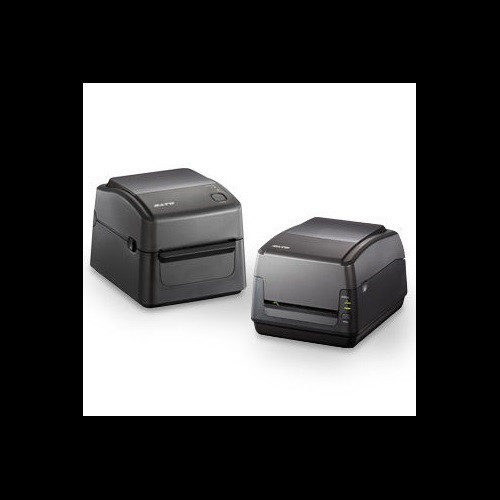
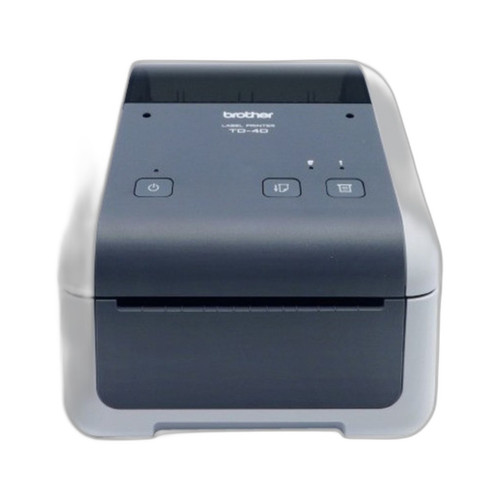
Both the Sato WT212-404CW-EX1-2 and Brother TD4210D are desktop-class direct thermal label and receipt printers targeting warehouse, logistics, and POS environments. They share the same 203 dpi resolution and similar max print widths in the 4.09–4.3 inch range, making them genuine cross-shop candidates for buyers evaluating a desktop thermal printer for label, tag, or receipt output. The comparison turns on print method flexibility, connectivity breadth, built-in features, and physical integration requirements.
In This Guide
- Which printer offers greater output flexibility in print method, speed, and media width?
- How do the two printers differ in connectivity and built-in operational features?
- What are the differences in operating environment, power requirements, and warranty coverage?
- Which should you choose: the WT212-404CW-EX1-2 or the TD4210D?
- Side-by-Side Specs
- FAQ
Which printer offers greater output flexibility in print method, speed, and media width?
The Sato WT212-404CW-EX1-2 supports both direct thermal and thermal transfer printing, giving operators the choice to use ribbons for applications requiring higher durability or chemical resistance on the label substrate. The Brother TD4210D is direct thermal only, eliminating ribbon consumables but limiting output to heat-sensitive media. On speed, the Sato runs at 6 ips versus the Brother's 5 ips — a 20% throughput advantage relevant in high-volume label runs.
On media width, the Brother's 4.3-inch maximum print width slightly exceeds the Sato's 4.09 inches, which may matter when printing wide receipts or oversized shipping labels. The Sato accepts media from 1 inch to 4.65 inches in total width, while no minimum media width is specified in the Brother's provided specs. The Sato also lists a maximum media diameter of 5 inches and a maximum ribbon length of 984 ft (300 m); equivalent figures are not provided for the Brother.
How do the two printers differ in connectivity and built-in operational features?
The Sato WT212-404CW-EX1-2 provides four connectivity options — USB 2.0, Ethernet, Wi-Fi, and Bluetooth — enabling wired network integration, wireless shop-floor deployment, and direct mobile pairing within a single unit. The Brother TD4210D is limited to USB and RS-232 Serial, which covers modern PC and legacy POS or WMS connections but excludes network and wireless operation entirely.
On built-in features, the Sato includes an LCD display for on-device status and configuration, an automatic inline cutter for batch label separation, and tool-free printhead access to reduce service downtime. The Brother's provided specifications do not list an LCD, cutter, or tool-free maintenance feature. The Sato also reports 16 MB Flash, 32 MB SDRAM, and 16 MB user storage; no memory specifications are provided for the Brother.
What are the differences in operating environment, power requirements, and warranty coverage?
The Sato WT212-404CW-EX1-2 specifies an operating temperature range of 41°F to 104°F (5°C to 40°C) and accepts universal AC input of 100–240V at 50/60 Hz, making it suitable for international deployment and controlled-environment warehouses or manufacturing floors. The Sato also lists a physical weight of 5.46 lbs (2.48 kg) and dimensions of 8.69" × 10.96" × 7.38".
The Brother TD4210D's provided specifications do not include an operating temperature range, power input specification, physical dimensions, or weight. Buyers deploying in thermally variable environments or non-standard power regions cannot confirm Brother's suitability from the available spec data alone. On warranty, the Sato carries an explicit 1-year warranty; the Brother lists only 'Manufacturer Warranty' with no stated duration in the provided specifications.
Which should you choose: the WT212-404CW-EX1-2 or the TD4210D?
Our take: The WT212-404CW-EX1-2 is the stronger choice when connectivity flexibility, print method options, and built-in hardware features are decision drivers. It adds Wi-Fi and Bluetooth to Ethernet and USB — the TD4210D offers only USB and RS-232 — enabling wireless and networked deployments the Brother cannot support. Its dual direct-thermal/thermal-transfer capability expands substrate options for durable or chemical-resistant labels, while the Brother is ribbon-free direct thermal only. The Sato also prints 20% faster (6 ips vs. 5 ips) and includes a confirmed LCD, automatic cutter, and tool-free printhead swap. The TD4210D's advantage is a marginally wider print path at 4.3 inches versus 4.09 inches, which may suit wide receipt stock, and its RS-232 port covers legacy POS and WMS platforms. Where network integration, wireless mobility, or dual-mode printing is required, the Sato is the spec-supported choice; the Brother suits simpler, wired, ribbon-free receipt and label environments.
Side-by-Side Comparison
Spec-for-spec, from manufacturer data.
| Specification | Sato WT212-404CW-EX1-2 | Brother TD4210D |
|---|---|---|
| Print Method | Direct Thermal + Thermal Transfer | Direct Thermal only |
| Print Resolution | 203 dpi | 203 dpi |
| Print Speed | 6 ips | 5 ips |
| Max Print Width | 4.09 in | 4.3 in |
| Media Width Range | 1 in to 4.65 in | — |
| Max Media Diameter | 5 in | — |
| Max Ribbon Length | 984 ft (300 m) | N/A (no ribbon) |
| Connectivity | USB 2.0, Ethernet, Wi-Fi, Bluetooth | USB, RS-232 Serial |
| LCD Display | Yes | — |
| Automatic Cutter | Yes | — |
| Tool-Free Printhead Access | Yes | — |
| Memory (Flash / SDRAM) | 16 MB Flash / 32 MB SDRAM | — |
| Operating Temperature | 41°F – 104°F (5°C – 40°C) | — |
| Power Input | AC 100–240V, 50/60 Hz | — |
| Weight | 5.46 lbs (2.48 kg) | — |
| Warranty | 1 year | Manufacturer Warranty (duration not specified) |
Frequently Asked Questions
Which should you choose: the WT212-404CW-EX1-2 or the TD4210D?
The WT212-404CW-EX1-2 is the stronger choice when connectivity flexibility, print method options, and built-in hardware features are decision drivers. It adds Wi-Fi and Bluetooth to Ethernet and USB — the TD4210D offers only USB and RS-232 — enabling wireless and networked deployments the Brother cannot support. Its dual direct-thermal/thermal-transfer capability expands substrate options for durable or chemical-resistant labels, while the Brother is ribbon-free direct thermal only. The Sato also prints 20% faster (6 ips vs. 5 ips) and includes a confirmed LCD, automatic cutter, and tool-free printhead swap. The TD4210D's advantage is a marginally wider print path at 4.3 inches versus 4.09 inches, which may suit wide receipt stock, and its RS-232 port covers legacy POS and WMS platforms. Where network integration, wireless mobility, or dual-mode printing is required, the Sato is the spec-supported choice; the Brother suits simpler, wired, ribbon-free receipt and label environments.
Can either printer connect wirelessly to a network or mobile device?
Only the Sato WT212-404CW-EX1-2 supports wireless connectivity. Its provided specs list both Wi-Fi and Bluetooth in addition to Ethernet and USB. The Brother TD4210D's specifications list only USB and RS-232 Serial; no wireless interface is documented for that model.
Do I need to buy ribbons for either of these printers?
The Brother TD4210D is direct thermal only, so no ribbon is required — it prints using heat-sensitive media exclusively. The Sato WT212-404CW-EX1-2 supports both direct thermal (no ribbon) and thermal transfer (ribbon required). If you choose thermal transfer mode on the Sato, the spec lists a maximum ribbon length of 984 ft (300 m).
Which printer is better suited for a legacy warehouse management system with an RS-232 serial port?
The Brother TD4210D explicitly lists USB and RS-232 Serial (RS-232) as its interfaces, making it a direct fit for legacy WMS platforms with serial connectivity. The Sato WT212-404CW-EX1-2's provided specifications list USB 2.0, Ethernet, Wi-Fi, and Bluetooth but do not document an RS-232 Serial port, so serial compatibility cannot be confirmed from the available specs.
More Label Printer Comparisons
- Brother TD4550DNWB vs Sato WWCT04241-WCN
- Brother TD4550DNWB vs Sato WWCT04241-NDR
- Brother TD4550DNWB vs Sato WT212-404CW-EX1-2
- Brother TD4550DNWB vs Sato WWCT04441-WDR
- Brother TD4550DNWB vs Brother TD4420DNC
- Brother TD4550DNWB vs Brother TD4410D
Label Printer Buying Guides
Get a Second Opinion on Your Camera Choice
Share your site layout, coverage goals, and budget. Our team will validate the camera selection, flag anything we would change, and recommend products that match the use case.