
Middle Atlantic S1000R vs Middle Atlantic UPX-1000R-2: Specification Comparison
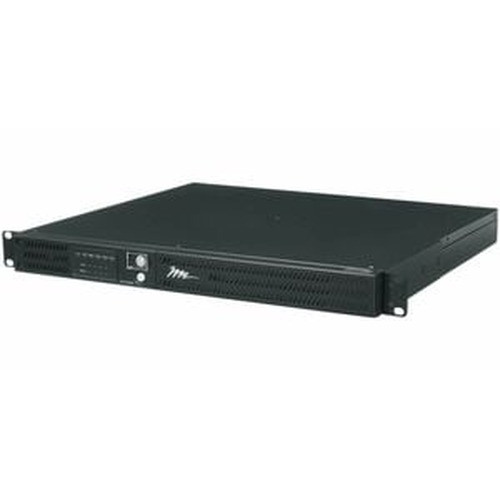
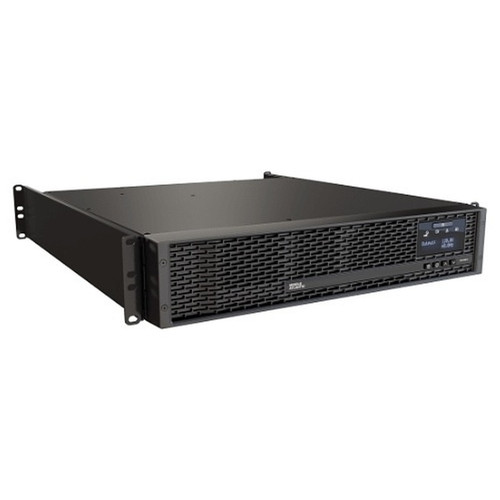
Both the Middle Atlantic UPS-S1000R (Select Series) and UPX-1000R-2 (Nexsys) are 1000VA rack-mount UPS backup power systems designed for AV, security, and IT equipment in standard 19-inch equipment racks. A buyer evaluating either unit is choosing between a compact 1RU entry-level solution and a 2RU unit with outlet-bank control and additional management features. The comparison centers on rack space consumption, physical connectivity, and the expanded feature set of the Nexsys platform versus the simpler Select Series form factor.
In This Guide
- How do the two units differ in power capacity, outlet count, and cord reach?
- What are the rack space, depth, and mounting requirements for each unit?
- How do the units compare on electrical interface, operating environment, and compliance?
- Which should you choose: the S1000R or the UPX-1000R-2?
- Side-by-Side Specs
- FAQ
How do the two units differ in power capacity, outlet count, and cord reach?
Both units are rated at 1000VA, placing them in the same power class for backing up rack-mounted security NVRs, switches, or AV gear. The UPS-S1000R provides 6 outlets and ships with a 10 ft (3.1 m) input cord, giving installers more reach to a wall or PDU feed without an extension. The UPX-1000R-2 outlet count is not stated in the provided specifications. Its input cord is shorter at 6 ft (1.8 m). The UPX-1000R-2 lists outlet bank control as a feature under the Nexsys platform, implying per-bank or per-outlet switching capability, but the specific outlet count is absent from the provided spec data and cannot be confirmed here.
The UPS-S1000R specifies 'Basic' surge protection. The UPX-1000R-2 does not carry a surge protection classification in the provided specs. Neither unit lists runtime at a defined load, battery capacity in amp-hours, or wattage rating in the supplied data, so load-specific runtime cannot be compared.
What are the rack space, depth, and mounting requirements for each unit?
The UPS-S1000R occupies 1 RU at 1.73 in (4.4 cm) tall, 19 in (48.3 cm) wide, and 15.31 in (38.9 cm) deep, with 2 mounting points. It supports rack depths from 19 in to 32 in (48.3–81.3 cm), making it compatible with shallow to mid-depth rack enclosures. Shipping weight is 36 lbs (16.3 kg).
The UPX-1000R-2 requires 2 RU at 3.46 in (8.8 cm) tall, matching the 19 in width, but runs deeper at 16 in (40.6 cm). It uses 4 mounting points, indicating a four-post or more secure mount approach. At 44.1 lbs (20 kg) unit weight and 50.26 lbs (22.8 kg) shipping weight, it is meaningfully heavier than the S1000R. Minimum and maximum rack depth compatibility figures are not provided for the UPX-1000R-2, so shallow-rack fit cannot be confirmed from specs alone.
How do the units compare on electrical interface, operating environment, and compliance?
The UPX-1000R-2 specifies an input of 120 VAC on a NEMA 5-15P plug with NEMA 5-15R receptacles, an output of 36 VDC, and an operating temperature range of 32°–104°F (0°–40°C). Country of origin is listed as China. The UPS-S1000R does not list input voltage, plug type, receptacle type, or operating temperature in the provided specifications, so direct comparison on these parameters is not possible.
Both units are noted as TAA Non-Compliant, ruling them out for federal procurement requiring TAA compliance. The UPS-S1000R carries a UL Listed / FCC designation. No equivalent certification data is provided for the UPX-1000R-2 in the supplied specs. Neither model lists communication interfaces (USB, RS-232, SNMP, or network card) in the provided data, so software integration and remote monitoring capability cannot be assessed from these specs.
Which should you choose: the S1000R or the UPX-1000R-2?
Our take: The UPS-S1000R is the stronger choice when rack space is constrained and a straightforward, lighter-weight 1000VA backup is sufficient. It saves 1 RU of rack space (1 RU vs. 2 RU), is 8.1 lbs lighter at unit weight (36 lbs shipping vs. 44.1 lbs unit / 50.26 lbs shipping), and provides a longer input cord (10 ft vs. 6 ft) for greater flexibility in rack placement relative to power feeds. It also supports rack depths as shallow as 19 in, a figure absent from the UPX-1000R-2 spec sheet. The UPX-1000R-2 is the stronger choice when outlet-bank control, a more robust four-point mount, and the Nexsys platform's expanded feature set are priorities—provided the installer can confirm outlet count, runtime, and rack-depth compatibility from the full datasheet before specifying. Both units are TAA Non-Compliant, disqualifying them from government contracts.
Side-by-Side Comparison
Spec-for-spec, from manufacturer data.
| Specification | Middle Atlantic S1000R | Middle Atlantic UPX-1000R-2 |
|---|---|---|
| VA Rating | 1000VA | 1000VA |
| Rack Units | 1 RU | 2 RU |
| Height | 1.73 in (4.4 cm) | 3.46 in (8.8 cm) |
| Width | 19 in (48.3 cm) | 19 in (48.3 cm) |
| Depth | 15.31 in (38.9 cm) | 16 in (40.6 cm) |
| Mounting Points | 2 | 4 |
| Mounting Depth Min | 19 in (48.3 cm) | — |
| Mounting Depth Max | 32 in (81.3 cm) | — |
| Input Cord Length | 10 ft (3.1 m) | 6 ft (1.8 m) |
| Input Voltage | — | 120 VAC |
| Plug Type | — | NEMA 5-15P |
| Receptacle Type | — | NEMA 5-15R |
| Outlet Count | 6 | — |
| Surge Protection | Basic | — |
| Operating Temp | — | 32°–104°F (0°–40°C) |
| Shipping Weight | 36 lbs (16.3 kg) | 50.26 lbs (22.8 kg) |
| Unit Weight | — | 44.1 lbs (20 kg) |
| TAA Compliant | No | No |
| Certifications | UL Listed / FCC | — |
| Country of Origin | — | China |
Frequently Asked Questions
Which should you choose: the S1000R or the UPX-1000R-2?
The UPS-S1000R is the stronger choice when rack space is constrained and a straightforward, lighter-weight 1000VA backup is sufficient. It saves 1 RU of rack space (1 RU vs. 2 RU), is 8.1 lbs lighter at unit weight (36 lbs shipping vs. 44.1 lbs unit / 50.26 lbs shipping), and provides a longer input cord (10 ft vs. 6 ft) for greater flexibility in rack placement relative to power feeds. It also supports rack depths as shallow as 19 in, a figure absent from the UPX-1000R-2 spec sheet. The UPX-1000R-2 is the stronger choice when outlet-bank control, a more robust four-point mount, and the Nexsys platform's expanded feature set are priorities—provided the installer can confirm outlet count, runtime, and rack-depth compatibility from the full datasheet before specifying. Both units are TAA Non-Compliant, disqualifying them from government contracts.
Which unit fits better in a shallow or space-constrained rack?
The UPS-S1000R is the better fit for tight rack installations. It occupies only 1 RU versus 2 RU for the UPX-1000R-2, and its rack depth compatibility is documented at 19–32 in (48.3–81.3 cm). The UPX-1000R-2 minimum rack depth is not stated in the provided specs, so shallow-rack suitability cannot be confirmed for that model without consulting the full datasheet.
Does either unit support remote monitoring or network management?
Neither unit lists a communication interface (USB, RS-232, SNMP, or network card) in the provided specifications. The UPX-1000R-2 references the 'Nexsys UPS' platform and outlet bank control, which may imply management capability, but no protocol or interface details are present in the supplied spec data. Consult the respective datasheets at the paths provided before specifying either unit for managed deployments.
Are either of these units suitable for U.S. federal government procurement?
No. Both the UPS-S1000R and UPX-1000R-2 are explicitly listed as TAA Non-Compliant in their specifications, meaning neither qualifies under the Trade Agreements Act requirements typically mandated for U.S. federal purchases on GSA schedules or similar contracts.
More UPS Comparisons
- CyberPower PR1000RTXL2UC vs APC by Schneider Electric SURT1000RMXLI
- CyberPower PR1000RTXL2UC vs APC by Schneider Electric SMT1000CUS
- CyberPower PR1000RTXL2UC vs Vertiv GXT5-1000LVRT2UXL
- CyberPower PR1000RTXL2UC vs APC by Schneider Electric SMT1000J
- CyberPower PR1000RTXL2UC vs CyberPower CP1000PFCLCD
- CyberPower PR1000RTXL2UC vs CyberPower PR1000LCD
UPS Buying Guides
Get a Second Opinion on Your Camera Choice
Share your site layout, coverage goals, and budget. Our team will validate the camera selection, flag anything we would change, and recommend products that match the use case.