
CyberPower PRL1500RT2UC vs CyberPower PR1500LCD: Specification Comparison
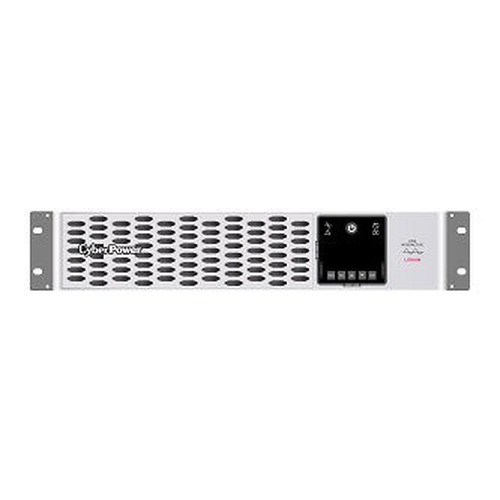
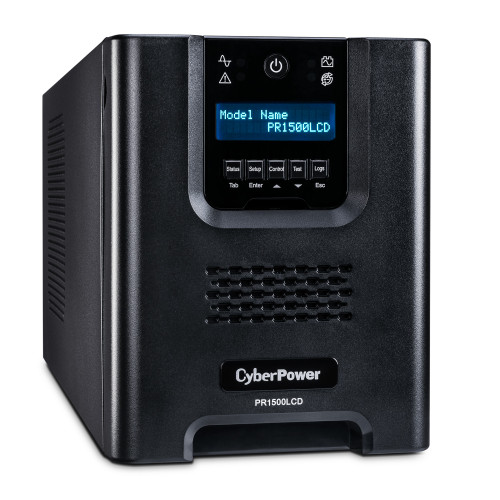
Both the CyberPower PRL1500RT2UC and PR1500LCD are 1500VA/1500W line-interactive sine wave UPS systems operating on 120VAC input, targeting the same power capacity tier and overlapping buyer audiences. The comparison spans critical differentiators a physical-security or IT installer would weigh: battery technology and runtime, form factor and physical footprint, and management depth. The PRL1500RT2UC uses lithium-ion chemistry in a 2U rack/tower chassis; the PR1500LCD uses sealed lead-acid in a mini-tower. Both offer AVR and USB/serial/SNMP connectivity.
In This Guide
- Which UPS delivers longer runtime and how does battery chemistry affect replacement and recharge?
- Which unit fits the target installation environment — rack cabinet, equipment room, or desktop?
- Which unit offers deeper remote management, and how do their certifications and guarantees compare?
- Which should you choose: the PRL1500RT2UC or the PR1500LCD?
- Side-by-Side Specs
- FAQ
Which UPS delivers longer runtime and how does battery chemistry affect replacement and recharge?
At full 1500W load the PRL1500RT2UC runs 8.7 minutes versus 4.7 minutes for the PR1500LCD — an 85% advantage. At half load (750W) the PRL1500RT2UC extends to 18.7 minutes against the PR1500LCD's 15.1 minutes, a 24% edge. These differences are driven directly by battery chemistry and capacity: the PRL1500RT2UC uses four 12.8V/6Ah lithium-ion cells (RB1260x4 cartridge) and recharges in approximately 2 hours. The PR1500LCD uses two sealed lead-acid 12V/17Ah batteries; recharge time is not stated in the provided specs. The PR1500LCD lists hot-swappable batteries as a feature, enabling in-place replacement without shutdown — the PRL1500RT2UC specs do not mention hot-swap capability. Lithium chemistry typically offers longer service life and lower weight per watt-hour, but replacement cartridge availability and cost are brand-specific factors buyers should verify independently.
Which unit fits the target installation environment — rack cabinet, equipment room, or desktop?
The PRL1500RT2UC is a 2U rack/tower convertible unit measuring 17.1 in. W × 3.4 in. H × 19.7 in. D and weighing 54.2 lbs. Its metal construction and 2U profile suit standard 19-inch EIA rack cabinets common in IDF/MDF closets and network equipment rooms. Shipping weight is 68.3 lbs, relevant for freight and installation planning. The PR1500LCD is a mini-tower measuring 6.7 in. W × 8.7 in. H × 17 in. D and weighing 54 lbs; it is not rack-mountable per the provided specs. It is designed for floor or shelf placement adjacent to workstations or small server clusters. Color also differs: the PRL1500RT2UC ships in Silver/Black; the PR1500LCD in Black. Installers specifying rack-based physical-security infrastructure — NVRs, access control servers, network switches — will find the PRL1500RT2UC's 2U form factor directly compatible; the PR1500LCD requires a separate shelf or floor space.
Which unit offers deeper remote management, and how do their certifications and guarantees compare?
The PRL1500RT2UC supports USB, Serial, SNMP, Cloud, Relay, and EPO interfaces, and includes one RS232 serial port and one dry-contact port. Full SNMP/HTTP remote management is available with the optional RMCARD205 card. It ships with PowerPanel® Business Edition software. The connected equipment guarantee is $400,000 with a five-year limited warranty. FCC classification is Class B (residential/light commercial). The PR1500LCD provides USB, Serial, and SNMP connectivity; the provided specs do not detail an optional SNMP card or EPO port. Its connected equipment guarantee is $375,000 and warranty is three years limited. The PR1500LCD carries FCC DOC Class A certification and is listed as Energy Star certified and RoHS compliant — neither Energy Star nor RoHS is listed in the PRL1500RT2UC's provided specs. Both carry UL1778 and the equivalent CSA/cUL 107.3 certification. Buyers in environments requiring EPO integration or cloud-based UPS monitoring gain those capabilities only from the PRL1500RT2UC.
Which should you choose: the PRL1500RT2UC or the PR1500LCD?
Our take: The PRL1500RT2UC is the stronger choice when the installation demands rack-mount deployment, longer full-load runtime, and deeper remote management integration. Concretely: it delivers 8.7 min at full load versus 4.7 min for the PR1500LCD (85% more runtime), supports EPO and cloud management interfaces absent from the PR1500LCD's listed specs, and carries a $400,000 connected equipment guarantee versus $375,000. Its lithium-ion battery chemistry also enables a 2-hour recharge cycle (PR1500LCD recharge time not stated). The PR1500LCD holds meaningful advantages for non-rack environments: its mini-tower form factor suits desk or shelf installation, it lists hot-swappable batteries for zero-downtime replacement, and it carries Energy Star and RoHS certifications not confirmed in the PRL1500RT2UC's specs. Specify the PRL1500RT2UC for rack-based physical-security equipment rooms requiring extended runtime and enterprise management hooks; specify the PR1500LCD for space-constrained or desktop deployments where hot-swap battery service and Energy Star compliance are priorities.
Side-by-Side Comparison
Spec-for-spec, from manufacturer data.
| Specification | CyberPower PRL1500RT2UC | CyberPower PR1500LCD |
|---|---|---|
| Capacity (VA / W) | 1500 VA / 1500 W | 1500 VA / 1500 W |
| Topology | Line Interactive | Line Interactive |
| Output Waveform | Sine Wave | True Sine Wave |
| Form Factor | 2U Rack/Tower | Mini-Tower |
| Runtime — Full Load | 8.7 min at 1500W | 4.7 min at 1500W |
| Runtime — Half Load | 18.7 min at 750W | 15.1 min at 750W |
| Battery Chemistry | Lithium-Ion (4 × 12.8V/6Ah) | Sealed Lead-Acid (2 × 12V/17Ah) |
| Hot-Swap Battery | — | Yes |
| Typical Recharge Time | 2 hours | — |
| Transfer Time | 6 ms typical; 11 ms max | < 4 ms |
| Surge Suppression | 2430 J | — |
| Connectivity | USB, Serial, SNMP, Cloud, Relay, EPO | USB, Serial, SNMP |
| Optional Remote Mgmt Card | Yes — RMCARD205 | — |
| Connected Equipment Guarantee | $400,000 | $375,000 |
| Warranty | 5-Year Limited | 3-Year Limited |
| Certifications | UL1778, CSA C22.2 No 107.3, FCC Class B | UL1778, cUL 107.3, FCC Class A, Energy Star, RoHS |
| Weight | 54.2 lbs | 54 lbs |
| Input Voltage Range | 70–155 VAC | 78–149 VAC |
Frequently Asked Questions
Which should you choose: the PRL1500RT2UC or the PR1500LCD?
The PRL1500RT2UC is the stronger choice when the installation demands rack-mount deployment, longer full-load runtime, and deeper remote management integration. Concretely: it delivers 8.7 min at full load versus 4.7 min for the PR1500LCD (85% more runtime), supports EPO and cloud management interfaces absent from the PR1500LCD's listed specs, and carries a $400,000 connected equipment guarantee versus $375,000. Its lithium-ion battery chemistry also enables a 2-hour recharge cycle (PR1500LCD recharge time not stated). The PR1500LCD holds meaningful advantages for non-rack environments: its mini-tower form factor suits desk or shelf installation, it lists hot-swappable batteries for zero-downtime replacement, and it carries Energy Star and RoHS certifications not confirmed in the PRL1500RT2UC's specs. Specify the PRL1500RT2UC for rack-based physical-security equipment rooms requiring extended runtime and enterprise management hooks; specify the PR1500LCD for space-constrained or desktop deployments where hot-swap battery service and Energy Star compliance are priorities.
Is the PRL1500RT2UC or PR1500LCD better for a rack-mounted NVR and access control server installation?
The PRL1500RT2UC is the direct fit. It is a 2U rack/tower unit built for standard 19-inch cabinets, while the PR1500LCD is a mini-tower with no rack-mount capability listed in its specs. The PRL1500RT2UC also provides EPO and optional SNMP card support, which are common requirements in managed equipment rooms.
Which UPS keeps my equipment running longer during a power outage?
At full 1500W load the PRL1500RT2UC runs 8.7 minutes versus 4.7 minutes for the PR1500LCD. At half load (750W) the gap narrows: 18.7 minutes versus 15.1 minutes. If maximum runtime under heavy load is the priority, the PRL1500RT2UC has a clear advantage based on the provided specs.
Can I replace the batteries without shutting down connected equipment?
The PR1500LCD explicitly lists hot-swappable batteries as a feature, meaning replacement can occur without powering down. The PRL1500RT2UC's provided specs do not mention hot-swap capability. If zero-downtime battery service is a firm requirement, the PR1500LCD has a documented advantage on this point.
More UPS Comparisons
- APC by Schneider Electric SMX1500RMI2U vs CyberPower PRL1500RT2UC
- APC by Schneider Electric SMX1500RMI2U vs CyberPower BRG1500AVRLCD2
- APC by Schneider Electric SMX1500RMI2U vs CyberPower PR1500LCD
- APC by Schneider Electric SMX1500RMI2U vs APC by Schneider Electric BR1500MS2
- APC by Schneider Electric SMX1500RMI2U vs APC by Schneider Electric SMTL1500RM3UCUS
- CyberPower PRL1500RT2UC vs APC by Schneider Electric BR1500MS2
UPS Buying Guides
Get a Second Opinion on Your Camera Choice
Share your site layout, coverage goals, and budget. Our team will validate the camera selection, flag anything we would change, and recommend products that match the use case.