
CyberPower PRL1500RT2UC vs APC by Schneider Electric BR1500MS2: Specification Comparison
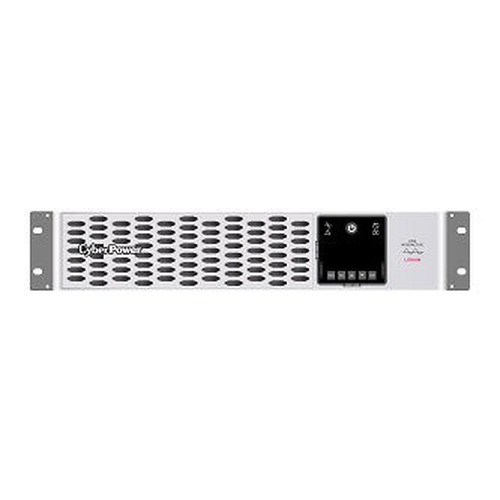
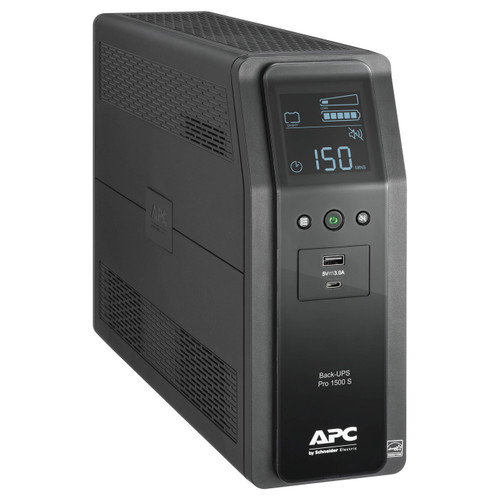
Both the CyberPower PRL1500RT2UC and the APC BR1500MS2 are 1500VA line-interactive sine-wave UPS units aimed at protecting critical loads from power disturbances. The CyberPower is a 2U rack/tower hybrid rated at 1500W true output, while the APC is a tower-only unit derated to 900W. This comparison examines runtime and battery technology, power capacity and protection depth, and management and integration capabilities — the three axes most relevant to installers choosing a UPS for surveillance, networking, or small server infrastructure.
In This Guide
- Which UPS delivers more runtime and how does battery chemistry affect ownership cost?
- How do rated wattage, surge protection, and transfer time compare between these two units?
- Which unit offers broader remote management, software, and integration options?
- Which should you choose: the PRL1500RT2UC or the BR1500MS2?
- Side-by-Side Specs
- FAQ
Which UPS delivers more runtime and how does battery chemistry affect ownership cost?
The PRL1500RT2UC uses four 12.8V/6Ah lithium-ion cells (RB1260x4) and delivers a manufacturer-specified 18.7 minutes at half load (750W) and 8.7 minutes at full load (1500W). Recharge time is 2 hours.
The BR1500MS2 uses a single lead-acid battery module with a manufacturer-specified design life of 3–5 years and a typical recharge time of 16 hours. No half-load or full-load runtime figures are provided in the supplied specifications.
The lithium chemistry in the PRL1500RT2UC yields a 2-hour recharge versus 16 hours for the BR1500MS2 — an 8× difference. Lithium batteries also typically carry longer calendar life than VRLA lead-acid, though the BR1500MS2 spec sheet does not state a cycle or calendar life figure for direct comparison. Buyers in always-on environments will find the faster recharge of the PRL1500RT2UC operationally significant after a prolonged outage.
How do rated wattage, surge protection, and transfer time compare between these two units?
The PRL1500RT2UC is rated at 1500W (power factor 1.0) with an input voltage range of 70–155 VAC, automatic voltage regulation featuring double boost and single buck, a 2430J surge suppression rating, and a typical transfer time of 6ms (maximum 11ms). A 15A circuit breaker provides overload protection.
The BR1500MS2 is rated at 900W maximum configurable power against its 1500VA nameplate — a 0.60 power factor. Its surge energy rating is 1080J, and transfer time is 8ms typical / 10ms maximum. Maximum input current is specified at 12A. The input voltage tolerance range is listed as 88–147V in the provided specification.
The watt-level gap is substantial: 1500W versus 900W on the same 1500VA nameplate. For installations where loads are specified in watts (servers, NVRs, PoE switches), the PRL1500RT2UC supports 67% more real load before switching to battery. Surge suppression is also wider: 2430J versus 1080J, a 2.25× margin. Transfer time favors the PRL1500RT2UC slightly at 6ms typical versus 8ms typical.
Which unit offers broader remote management, software, and integration options?
The PRL1500RT2UC ships with USB and RS-232 serial ports, a dry-contact relay, EPO (emergency power off) terminal, and native cloud connectivity. SNMP/HTTP network management is available via the optional RMCARD205 card. It is bundled with PowerPanel® Business Edition software and carries a $400,000 connected equipment guarantee. Form factor is 2U rack/tower convertible.
The BR1500MS2 provides USB connectivity and ships with a USB cable and coaxial cable for data-line (CATV/SATV/modem) surge protection. The specification does not list serial, SNMP, dry-contact, EPO, or network management card options. No management software title is named in the provided specifications. The unit is tower-only with an acoustic level rating of 45 dBA.
For IT and physical-security infrastructure — where SNMP traps, graceful server shutdown scripting, and remote monitoring are standard requirements — the PRL1500RT2UC provides a significantly richer management stack out of the box and via its optional RMCARD205. The BR1500MS2's specifications do not document equivalent network management or shutdown-scripting capabilities, making it better suited to simpler desktop or consumer-adjacent deployments.
Which should you choose: the PRL1500RT2UC or the BR1500MS2?
Our take: The PRL1500RT2UC is the stronger choice when protecting watt-intensive, always-on infrastructure such as NVR servers, PoE switches, or rack-mount security appliances. Three concrete spec deltas drive this conclusion: first, real watt capacity is 1500W versus 900W — a 600W advantage that directly determines how many devices stay online during an outage; second, surge suppression is 2430J versus 1080J, offering more than twice the joule rating; third, recharge time is 2 hours versus 16 hours, meaning the PRL1500RT2UC is ready for a second outage event the same day. The BR1500MS2 is lighter (27.6 lb versus 54.2 lb) and its runtime at load is not specified, so a direct runtime-per-dollar comparison cannot be made from the provided data. Buyers deploying rack-mount equipment with SNMP monitoring requirements should select the PRL1500RT2UC; those needing a lighter tower unit for a workstation or home-office environment may find the BR1500MS2 adequate for their lower wattage loads.
Side-by-Side Comparison
Spec-for-spec, from manufacturer data.
| Specification | CyberPower PRL1500RT2UC | APC by Schneider Electric BR1500MS2 |
|---|---|---|
| Capacity (VA) | 1500 VA | 1500 VA |
| Capacity (Watts) | 1500 W | 900 W |
| Power Factor (Output) | 1.0 | 0.60 |
| Topology | Line Interactive | Line Interactive |
| Waveform | Sine Wave | Sine Wave |
| Battery Chemistry | Lithium-Ion | Lead-Acid |
| Typical Recharge Time | 2 hours | 16 hours |
| Runtime at Half Load | 18.7 min | — |
| Runtime at Full Load | 8.7 min | — |
| Transfer Time (Typical / Max) | 6 ms / 11 ms | 8 ms / 10 ms |
| Surge Energy Rating | 2430 J | 1080 J |
| Total Outlets | 8 | 10 (6 battery+surge / 4 surge) |
| Input Voltage Range | 70–155 VAC | 88–147 V |
| Communication Ports | USB, RS-232, Dry Contact, EPO, Cloud; SNMP via optional RMCARD205 | USB only (per provided specs) |
| Form Factor | 2U Rack / Tower | Tower only |
| Weight | 54.2 lb (24.6 kg) | 27.6 lb (12.5 kg) |
| Connected Equipment Guarantee | $400,000 | — |
| Product Warranty | 5-Year Limited | — |
Frequently Asked Questions
Which should you choose: the PRL1500RT2UC or the BR1500MS2?
The PRL1500RT2UC is the stronger choice when protecting watt-intensive, always-on infrastructure such as NVR servers, PoE switches, or rack-mount security appliances. Three concrete spec deltas drive this conclusion: first, real watt capacity is 1500W versus 900W — a 600W advantage that directly determines how many devices stay online during an outage; second, surge suppression is 2430J versus 1080J, offering more than twice the joule rating; third, recharge time is 2 hours versus 16 hours, meaning the PRL1500RT2UC is ready for a second outage event the same day. The BR1500MS2 is lighter (27.6 lb versus 54.2 lb) and its runtime at load is not specified, so a direct runtime-per-dollar comparison cannot be made from the provided data. Buyers deploying rack-mount equipment with SNMP monitoring requirements should select the PRL1500RT2UC; those needing a lighter tower unit for a workstation or home-office environment may find the BR1500MS2 adequate for their lower wattage loads.
Is the PRL1500RT2UC or BR1500MS2 better for a rack-mounted surveillance server deployment?
The PRL1500RT2UC is the purpose-fit choice for rack deployments. It ships in a 2U rack/tower form factor, supports up to 1500W of real load (versus 900W for the BR1500MS2), includes EPO and dry-contact terminals for integration with building management systems, and supports SNMP network management via the optional RMCARD205 card. The BR1500MS2 is specified as a tower-only unit and its provided specifications do not document rack-mount hardware, SNMP, or EPO options.
How does battery replacement and recharge compare between these two models?
The PRL1500RT2UC uses four lithium-ion cartridges (RB1260x4) and recharges in 2 hours. The BR1500MS2 uses one lead-acid module with a design life of 3–5 years and a specified recharge time of 16 hours. The CyberPower's 2-hour recharge is 8× faster, which is operationally significant in environments that experience multiple outage events. Note that lithium and lead-acid replacement costs differ and should be evaluated at time of purchase; neither unit's replacement battery price is included in the provided specifications.
Can either UPS send SNMP alerts to a network management system?
The PRL1500RT2UC supports SNMP and HTTP management when the optional RMCARD205 card is installed; native cloud connectivity and a dry-contact relay are included without additional hardware. The BR1500MS2's provided specifications do not document SNMP, network management card support, or cloud connectivity. Buyers requiring SNMP trap integration with a network management system or monitoring platform should select the PRL1500RT2UC.
More UPS Comparisons
- APC by Schneider Electric SMX1500RMI2U vs CyberPower PRL1500RT2UC
- APC by Schneider Electric SMX1500RMI2U vs CyberPower BRG1500AVRLCD2
- APC by Schneider Electric SMX1500RMI2U vs CyberPower PR1500LCD
- APC by Schneider Electric SMX1500RMI2U vs APC by Schneider Electric BR1500MS2
- APC by Schneider Electric SMX1500RMI2U vs APC by Schneider Electric SMTL1500RM3UCUS
- CyberPower PRL1500RT2UC vs APC by Schneider Electric SMTL1500RM3UCUS
UPS Buying Guides
Get a Second Opinion on Your Camera Choice
Share your site layout, coverage goals, and budget. Our team will validate the camera selection, flag anything we would change, and recommend products that match the use case.