
APC by Schneider Electric SRT6KXLI vs APC by Schneider Electric SRT6KRMXLI: Specification Comparison
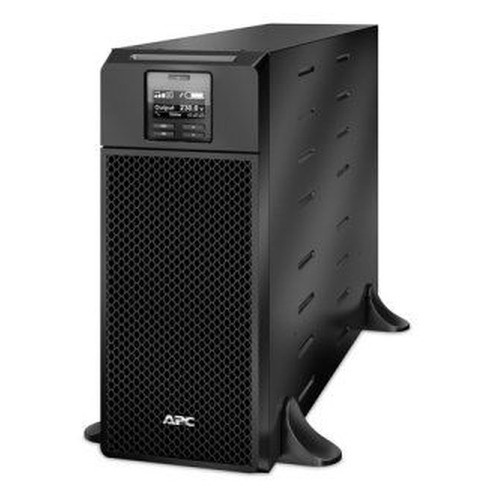
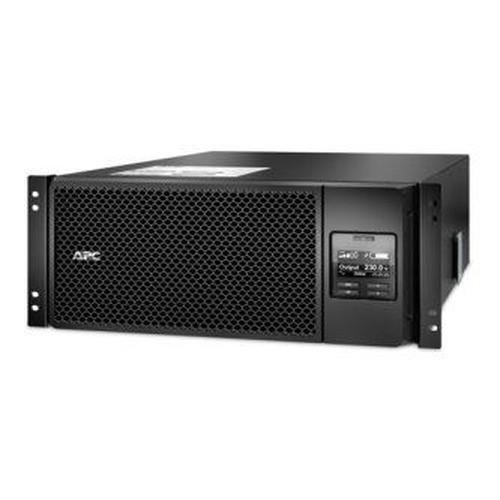
Both the SRT6KXLI and SRT6KRMXLI are APC Smart-UPS SRT 6000VA 230V double-conversion online UPS units delivering identical 6000W/6kVA output capacity with true sine wave output. The sole distinguishing factor indicated by their model designations is form factor: the SRT6KXLI is a tower unit while the SRT6KRMXLI is a rackmount (RM) unit. This comparison evaluates their specification parity and the practical implications of choosing between the two form factors for a given installation environment.
In This Guide
- Do the SRT6KXLI and SRT6KRMXLI deliver the same power performance and protection capability?
- Which form factor — tower or rackmount — is the right fit for the intended installation environment?
- Are there any differences in alarm and management features between the two models?
- Which should you choose: the SRT6KXLI or the SRT6KRMXLI?
- Side-by-Side Specs
- FAQ
Do the SRT6KXLI and SRT6KRMXLI deliver the same power performance and protection capability?
Both units are identical across every power and protection metric provided in their specifications. Each delivers 6000VA / 6000W output via a double-conversion (online) topology with a pure sine wave, ensuring zero transfer time to battery and no waveform distortion for sensitive loads. Input voltage tolerance spans 100–275V with a frequency range of 40–70Hz, making both suitable for environments with unstable utility power. Output is regulated to 220–240V at 50/60Hz.
Surge energy rating is 480J on both models, and both include active surge protection. Output voltage Total Harmonic Distortion (THD) is specified at 3% for the SRT6KXLI; this figure is not listed in the provided specs for the SRT6KRMXLI. Both units carry a 3:1 crest factor and 94.4% efficiency rating, and both include Emergency Power Off (EPO) capability.
Which form factor — tower or rackmount — is the right fit for the intended installation environment?
The SRT6KXLI is a tower-form UPS intended for floor or shelf placement in server rooms, wiring closets, or open equipment areas where rack space is unavailable or unnecessary. The SRT6KRMXLI carries the 'RM' (rackmount) designation, indicating it is designed to mount directly into a standard equipment rack. For deployments where all infrastructure is consolidated in a rack or cabinet, the SRT6KRMXLI eliminates the footprint of a standalone tower unit.
Neither the tower height/depth nor the rackmount unit height (U size) are provided in the supplied specifications, so buyers should consult APC datasheets for exact physical dimensions before finalizing rack allocation or floor-space planning. Both units operate at the same 55 dB noise level, so acoustic impact is equivalent regardless of form factor.
Are there any differences in alarm and management features between the two models?
The SRT6KRMXLI specifications explicitly list 'Audible alarm(s): Yes,' confirming the presence of onboard audible alerting. The SRT6KXLI's provided specifications do not include this field, so the presence or absence of audible alarms on the tower model cannot be confirmed from the data supplied.
Both models include Emergency Power Off (EPO), which is a critical safety feature for data center and enterprise environments allowing immediate remote shutdown of UPS output. All other management-related specifications — topology, waveform, THD, EPO — are either identical or absent for both models equally. Buyers requiring specific network management card compatibility, SNMP support, or remote monitoring should verify those features directly against APC's full datasheets, as those specs were not provided for either unit.
Which should you choose: the SRT6KXLI or the SRT6KRMXLI?
Our take: The SRT6KXLI is the stronger choice when the installation environment requires a freestanding tower unit and rack space is constrained or unavailable; the SRT6KRMXLI is the stronger choice when all infrastructure is rack-consolidated and a rackmount form factor is required. Across every provided power spec — 6000VA/6000W output, 94.4% efficiency, 480J surge rating, 3% output THD (SRT6KXLI only; not specified for SRT6KRMXLI), and 55 dB noise — the two units are identical. The one notable spec asymmetry is that audible alarms are explicitly confirmed for the SRT6KRMXLI but not documented in the SRT6KXLI spec set provided. For data center rack deployments, the SRT6KRMXLI is the appropriate selection; for distributed equipment rooms or floor installations without rack infrastructure, the SRT6KXLI fits naturally.
Side-by-Side Comparison
Spec-for-spec, from manufacturer data.
| Specification | APC by Schneider Electric SRT6KXLI | APC by Schneider Electric SRT6KRMXLI |
|---|---|---|
| UPS Topology | Double-conversion (Online) | Double-conversion (Online) |
| Output Power Capacity | 6 kVA | 6 kVA |
| Output Power | 6000 W | 6000 W |
| Waveform | Sine | Sine |
| Form Factor | Tower | Rackmount |
| Input Voltage Range | 100–275 V | 100–275 V |
| Input Frequency | 40–70 Hz | 40–70 Hz |
| Output Voltage Range | 220–240 V | 220–240 V |
| Output Frequency | 50/60 Hz | 50/60 Hz |
| Efficiency | 94.4% | 94.4% |
| Surge Energy Rating | 480 J | 480 J |
| Surge Protection | Yes | Yes |
| Output Voltage THD | 3% | — |
| Crest Factor | 3:1 | 3:1 |
| Emergency Power Off (EPO) | Yes | Yes |
| Audible Alarms | — | Yes |
| Noise Level | 55 dB | 55 dB |
| Output Phases | 1 | 1 |
Frequently Asked Questions
Which should you choose: the SRT6KXLI or the SRT6KRMXLI?
The SRT6KXLI is the stronger choice when the installation environment requires a freestanding tower unit and rack space is constrained or unavailable; the SRT6KRMXLI is the stronger choice when all infrastructure is rack-consolidated and a rackmount form factor is required. Across every provided power spec — 6000VA/6000W output, 94.4% efficiency, 480J surge rating, 3% output THD (SRT6KXLI only; not specified for SRT6KRMXLI), and 55 dB noise — the two units are identical. The one notable spec asymmetry is that audible alarms are explicitly confirmed for the SRT6KRMXLI but not documented in the SRT6KXLI spec set provided. For data center rack deployments, the SRT6KRMXLI is the appropriate selection; for distributed equipment rooms or floor installations without rack infrastructure, the SRT6KXLI fits naturally.
Is the SRT6KXLI or SRT6KRMXLI better for a standard server rack deployment?
The SRT6KRMXLI is designed for rackmount installation and is the appropriate choice for a standard server rack deployment. The SRT6KXLI is a tower unit and is not intended for direct rack mounting. All power specifications are identical between the two, so the decision is driven entirely by your installation form factor.
Do the SRT6KXLI and SRT6KRMXLI provide the same level of power protection?
Based on the provided specifications, yes. Both deliver 6000VA/6000W via double-conversion (online) topology with pure sine wave output, a 480J surge energy rating, active surge protection, EPO, and 94.4% efficiency. Output voltage THD of 3% is specified for the SRT6KXLI but is absent from the SRT6KRMXLI spec sheet provided; buyers should confirm this figure with APC's full SRT6KRMXLI datasheet.
Does one model have audible alarms and the other not?
Audible alarms are explicitly listed as 'Yes' in the SRT6KRMXLI specifications provided. The SRT6KXLI specification set provided does not include that field, so it is not possible to confirm or deny audible alarm presence for the tower model from the data available. Consult APC's official SRT6KXLI datasheet to verify before purchasing if this feature is a requirement.
More UPS Comparisons
- APC by Schneider Electric SRT6KXLT vs Vertiv GXT5-6000RT208
- APC by Schneider Electric SRT6KXLT vs Vertiv GXT5LI-6000MVRT3UXLN
- APC by Schneider Electric SRT6KXLT vs Vertiv GXT5LI-6000GVRT3UXLN
- APC by Schneider Electric SRT6KXLT vs APC by Schneider Electric SRT6KRMXLI
- APC by Schneider Electric SRT6KXLT vs APC by Schneider Electric SRT6KRMXLIM
- APC by Schneider Electric SRT6KRMXLI vs Vertiv GXT5-6000RT208
UPS Buying Guides
Get a Second Opinion on Your Camera Choice
Share your site layout, coverage goals, and budget. Our team will validate the camera selection, flag anything we would change, and recommend products that match the use case.