
APC by Schneider Electric SRT5KXLI vs Vertiv GXT5LI-5KL630RT3UXLN: Specification Comparison
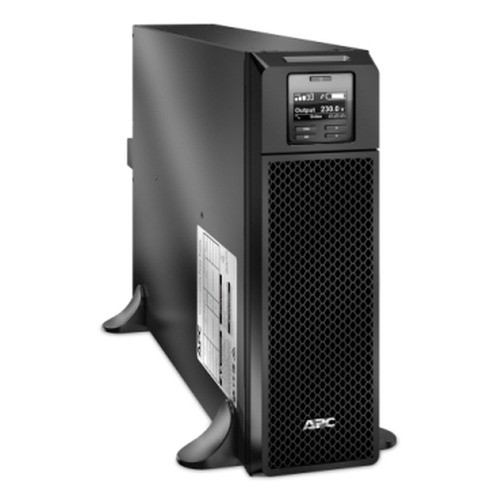
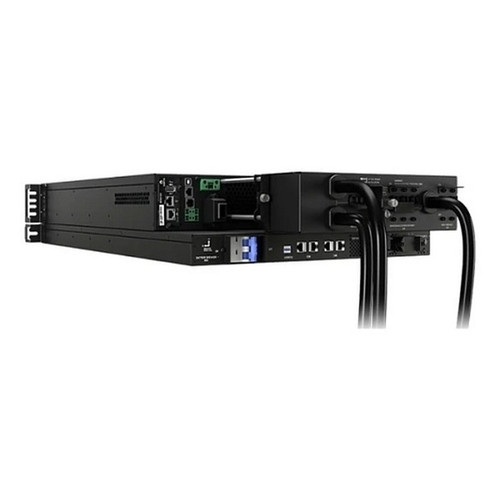
Both the APC Smart-UPS SRT 5000VA (SRT5KXLI) and the Vertiv Liebert GXT5LI-5KL630RT3UXLN are 5000VA rack-mount online UPS units aimed at IT infrastructure protecting servers, networking equipment, and edge deployments. They occupy the same 5kVA capacity tier and share a rack-mount form factor, making them direct cross-shop candidates for buyers evaluating mid-range UPS for data closets, branch offices, or small data centers. Key differentiators span battery chemistry, input voltage compatibility, physical footprint, and certifications.
In This Guide
- How do power ratings, battery chemistry, and input voltage compatibility compare?
- What are the physical dimensions, weight, and rack space requirements for each unit?
- Which unit carries stronger agency certifications and what are the operating environment specs?
- Which should you choose: the SRT5KXLI or the GXT5LI-5KL630RT3UXLN?
- Side-by-Side Specs
- FAQ
How do power ratings, battery chemistry, and input voltage compatibility compare?
The SRT5KXLI lists an input voltage of 230V and output of 230V but provides no watt rating in the supplied specs. The GXT5LI-5KL630RT3UXLN explicitly states a power rating of 5000 VA / 4900 W with an input voltage range of 200V–240V and an output of 208VAC (default, adjustable 200–240VAC), along with an L6-30P input connector — a detail absent from the SRT5KXLI spec sheet.
Battery chemistry is a significant differentiator: the SRT5KXLI specifies a lead-acid battery, which is a mature, widely serviceable technology. The GXT5LI-5KL630RT3UXLN's model name and IEC 62619 certification (the lithium-ion battery safety standard) confirm lithium-ion chemistry. Lithium-ion batteries offer lower weight, longer cycle life, and faster recharge compared to lead-acid, but the supplied specs do not include runtime figures for either unit, so direct runtime comparison cannot be made from the data provided.
What are the physical dimensions, weight, and rack space requirements for each unit?
The GXT5LI-5KL630RT3UXLN provides complete dimensional data: 5.25 in H × 16.9 in W × 35 in D, weighing 103 lbs. Its 5.25-inch height corresponds to a standard 3U rack footprint. The SRT5KXLI supplies dimensions in centimeters — 43.2 H × 13 W × 71.94 D cm — which convert to approximately 17.0 in H × 5.1 in W × 28.3 in D. The height of ~17 inches is atypical for a rack-mount UPS and may reflect an alternative orientation or packaging dimension; the spec sheet does not confirm rack unit (U) count.
The SRT5KXLI spec sheet does not provide a weight, making a direct weight comparison impossible. The GXT5LI-5KL630RT3UXLN's 103 lbs is a meaningful planning figure for floor-load and installation labor. Buyers should confirm SRT5KXLI rack-unit count and weight from APC documentation before finalizing rack space allocation.
Which unit carries stronger agency certifications and what are the operating environment specs?
The GXT5LI-5KL630RT3UXLN lists an extensive set of agency approvals: IEC 62040-1:2008+A1 2013 (UPS safety), IEC 62619 1st Ed. (lithium-ion battery safety), IEC 62040-2 2nd Ed. (EMC), IEC 61000-3-2 and IEC 61000-3-12 (harmonic current), CISPR 22 Class A, FCC Part 15 Class A, and UL 1778 (UPS standard). This breadth covers safety, EMC, and battery chemistry compliance for North American and international deployment. The SRT5KXLI spec sheet provides no certification listings.
Operating temperature is specified only for the GXT5LI-5KL630RT3UXLN: 32°F to 104°F (0°C to 40°C), with a 10% derating noted at 50°C. No operating temperature range is listed for the SRT5KXLI. Color (Black) and included accessories — CD with software, communication cable, documentation CD, removable support feet, temperature probe, and USB cable — are noted for the SRT5KXLI but absent from the GXT5LI-5KL630RT3UXLN spec sheet.
Which should you choose: the SRT5KXLI or the GXT5LI-5KL630RT3UXLN?
Our take: The GXT5LI-5KL630RT3UXLN is the stronger choice when lithium-ion battery chemistry, explicit watt output, and broad regulatory certifications are required. First, it carries a confirmed 4900W real power rating versus no watt figure provided for the SRT5KXLI. Second, its lithium-ion chemistry (certified under IEC 62619) delivers longer cycle life and lower weight profile than the SRT5KXLI's lead-acid battery. Third, it lists nine agency approvals including UL 1778, FCC Part 15 Class A, and four IEC standards, while the SRT5KXLI spec sheet lists none. That said, the SRT5KXLI targets 230V infrastructure exclusively, making it the appropriate fit for international or single-phase 230V-only environments, and its included accessories (temperature probe, USB cable, software CD) suggest richer out-of-box management readiness. Buyers running 208V North American loads with certification requirements should favor the GXT5LI-5KL630RT3UXLN; 230V-only deployments should verify APC's full datasheet.
Side-by-Side Comparison
Spec-for-spec, from manufacturer data.
| Specification | APC by Schneider Electric SRT5KXLI | Vertiv GXT5LI-5KL630RT3UXLN |
|---|---|---|
| SKU | SRT5KXLI | GXT5LI-5KL630RT3UXLN |
| Brand | APC by Schneider Electric | Vertiv (Liebert) |
| Capacity (VA) | 5000 VA | 5000 VA |
| Real Power (W) | — | 4900 W |
| Battery Chemistry | Lead-acid | Lithium-ion |
| Input Voltage | 230V | 200V–240V |
| Input Connector | — | L6-30P |
| Output Voltage | 230V | 208VAC default; 200–240VAC adjustable |
| Mounting Type | Rack Mount | Rack Mount |
| Height | 43.2 cm (~17.0 in) | 5.25 in (3U) |
| Width | 13 cm (~5.1 in) | 16.9 in |
| Depth | 71.94 cm (~28.3 in) | 35 in |
| Weight | — | 103 lbs |
| Operating Temp | — | 32°F–104°F (0°C–40°C); 10% derate at 50°C |
| Agency Certifications | — | UL 1778, FCC Part 15 Class A, IEC 62040-1, IEC 62040-2, IEC 62619, IEC 61000-3-2, IEC 61000-3-12, CISPR 22 Class A |
| Color | Black | — |
Frequently Asked Questions
Which should you choose: the SRT5KXLI or the GXT5LI-5KL630RT3UXLN?
The GXT5LI-5KL630RT3UXLN is the stronger choice when lithium-ion battery chemistry, explicit watt output, and broad regulatory certifications are required. First, it carries a confirmed 4900W real power rating versus no watt figure provided for the SRT5KXLI. Second, its lithium-ion chemistry (certified under IEC 62619) delivers longer cycle life and lower weight profile than the SRT5KXLI's lead-acid battery. Third, it lists nine agency approvals including UL 1778, FCC Part 15 Class A, and four IEC standards, while the SRT5KXLI spec sheet lists none. That said, the SRT5KXLI targets 230V infrastructure exclusively, making it the appropriate fit for international or single-phase 230V-only environments, and its included accessories (temperature probe, USB cable, software CD) suggest richer out-of-box management readiness. Buyers running 208V North American loads with certification requirements should favor the GXT5LI-5KL630RT3UXLN; 230V-only deployments should verify APC's full datasheet.
Which unit is better suited for a North American data center running 208V circuits?
The GXT5LI-5KL630RT3UXLN is designed for 208V North American infrastructure, with an input range of 200V–240V, an L6-30P input connector, and FCC Part 15 / UL 1778 certifications. The SRT5KXLI specifies 230V input and output with no mention of 208V compatibility, making it better suited for international or pure 230V single-phase environments.
Does either UPS use lithium-ion batteries, and does that matter for my installation?
Yes — the GXT5LI-5KL630RT3UXLN uses lithium-ion batteries, as indicated by its model designation and its IEC 62619 certification (the lithium-ion battery safety standard). Lithium-ion typically offers longer service life and faster recharge than lead-acid. The SRT5KXLI specifies a lead-acid battery. If reduced battery replacement frequency and lower long-term total cost of ownership are priorities, the GXT5LI-5KL630RT3UXLN has the documented chemistry advantage.
Is the SRT5KXLI or GXT5LI-5KL630RT3UXLN easier to rack-mount based on available specs?
The GXT5LI-5KL630RT3UXLN provides complete rack-ready dimensions — 5.25 in H (3U) × 16.9 in W × 35 in D, 103 lbs — allowing straightforward rack planning. The SRT5KXLI lists dimensions in centimeters (43.2 H × 13 W × 71.94 D cm) with no stated rack-unit count or weight, and the height figure is atypical for a standard rack-mount UPS. Buyers should obtain APC's official datasheet to confirm rack unit height and weight before purchasing mounting hardware.
More UPS Comparisons
- APC by Schneider Electric SRT5KRMXLIM vs Vertiv GXT5LI-5000MVRT3UXLN
- APC by Schneider Electric SRT5KRMXLIM vs CyberPower PR5000LCDRTXL5U
- APC by Schneider Electric SRT5KRMXLIM vs Vertiv GXT5LI-5KL630RT3UXLN
- APC by Schneider Electric SRT5KRMXLIM vs APC by Schneider Electric SRT5KRMXLT-IEC
- APC by Schneider Electric SRT5KRMXLIM vs APC by Schneider Electric SRT5KXLT-IEC
- APC by Schneider Electric SRT5KRMXLT-IEC vs Vertiv GXT5LI-5000MVRT3UXLN
UPS Buying Guides
Get a Second Opinion on Your Camera Choice
Share your site layout, coverage goals, and budget. Our team will validate the camera selection, flag anything we would change, and recommend products that match the use case.