
APC by Schneider Electric SRT5KRMXLIM vs Vertiv GXT5LI-5KL630RT3UXLN: Specification Comparison
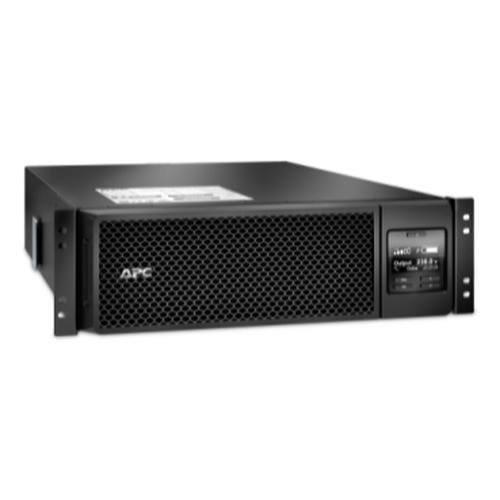
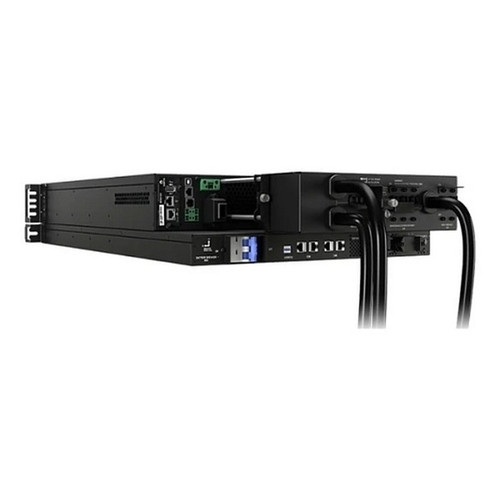
Both the APC Smart-UPS SRT5KRMXLIM and the Vertiv Liebert GXT5LI-5KL630RT3UXLN are rackmount, online double-conversion UPS units rated at 5000 VA, placing them in the same class for protecting critical IT and industrial loads. The APC unit targets marine and harsh-environment deployments at 230 V with a broad input range, while the Vertiv unit uses lithium-ion battery technology at 208 V with an L6-30P input plug. Both are genuine cross-shop candidates for buyers evaluating 5 kVA online UPS solutions for rack environments.
In This Guide
- How do the power capacity, output voltage, and input flexibility compare?
- What are the battery technology, physical footprint, and operating environment differences?
- How do power protection quality, safety certifications, and monitoring features compare?
- Which should you choose: the SRT5KRMXLIM or the GXT5LI-5KL630RT3UXLN?
- Side-by-Side Specs
- FAQ
How do the power capacity, output voltage, and input flexibility compare?
The APC SRT5KRMXLIM is rated at 5000 VA / 4500 W, while the Vertiv GXT5LI-5KL630RT3UXLN is rated at 5000 VA / 4900 W — a meaningful 400 W difference in real power delivery that favors the Vertiv unit for heavily loaded racks.
On input voltage, the APC accepts 160 V–275 V at 45–65 Hz, a notably wide window suited to unstable or marine power environments. The Vertiv accepts 200 V–240 V, a narrower range typical of stable commercial utility feeds. Output from the APC is fixed at 220–230 V (50/60 Hz); the Vertiv defaults to 208 VAC but is adjustable from 200–240 VAC, offering more flexibility for mixed North American/international equipment.
The Vertiv's L6-30P input plug is a standard North American 30 A twist-lock connector, while the APC's marine designation implies hardwired or country-specific connections suited to shipboard or harsh-site installations. Buyers must verify receptacle compatibility before procurement.
What are the battery technology, physical footprint, and operating environment differences?
The Vertiv GXT5LI-5KL630RT3UXLN explicitly uses lithium-ion battery technology, as indicated by 'LI' in the model name and its IEC 62619 (lithium battery safety) certification. Lithium-ion typically offers longer service life, lower weight per capacity, and faster recharge versus VRLA. The APC SRT5KRMXLIM spec sheet provided does not specify battery chemistry; APC's SRT platform conventionally uses VRLA batteries, but this cannot be confirmed from the specs provided.
Physical dimensions are documented only for the Vertiv: 5.25 in H × 16.9 in W × 35 in D, 103 lbs. No dimensional or weight data was provided for the APC unit.
Operating temperature is specified only for the Vertiv: 32°F to 104°F (0°C to 40°C), with a 10% derating noted at 50°C. The APC spec set does not include an operating temperature range. The APC's 'Marine' designation implies ruggedized environmental tolerance, but no quantified temperature or humidity specs were provided.
How do power protection quality, safety certifications, and monitoring features compare?
The APC SRT5KRMXLIM provides a surge energy rating of 480 J, output voltage THD of ≤3%, a crest factor of 3:1, pure sine wave output, and an audible alarm. It also includes Emergency Power Off (EPO), temperature-compensated charging, and a stated noise level of 55 dB. No agency certification list was provided in the supplied specs.
The Vertiv GXT5LI-5KL630RT3UXLN carries a documented agency approval list: IEC 62040-1:2008+A1:2013, IEC 62619 1st Ed., IEC 62040-2 2nd Ed., IEC 61000-3-2, IEC 61000-3-12, CISPR 22 Class A, FCC Part 15 Class A, and UL 1778. No surge joule rating, output THD, crest factor, EPO capability, or audible alarm specification was provided for the Vertiv unit.
Buyers requiring verified EMC compliance for North American commercial or data-center environments will find the Vertiv's certification list more immediately auditable. Buyers requiring EPO integration with facility-level shutdown systems will find that spec explicitly confirmed only on the APC.
Which should you choose: the SRT5KRMXLIM or the GXT5LI-5KL630RT3UXLN?
Our take: The GXT5LI-5KL630RT3UXLN is the stronger choice when lithium-ion battery longevity, higher real-power output, and documented agency certifications are the primary selection criteria in a stable 208 V North American commercial environment. Concretely: the Vertiv delivers 4900 W versus the APC's 4500 W — a 400 W advantage; it carries UL 1778 and IEC 62619 certifications not confirmed in the APC spec set; and its lithium-ion chemistry offers service-life and weight advantages over conventional VRLA, though battery type is not explicitly stated in the APC specs provided. Conversely, the SRT5KRMXLIM is the stronger choice for unstable or marine power environments: its 160–275 V input window far exceeds the Vertiv's 200–240 V range, and it explicitly includes EPO capability and temperature-compensated charging — neither confirmed for the Vertiv. Buyers on North American data-center or commercial generator-backed feeds should favour the Vertiv; buyers on shipboard, remote-site, or utility-challenged feeds should favour the APC.
Side-by-Side Comparison
Spec-for-spec, from manufacturer data.
| Specification | APC by Schneider Electric SRT5KRMXLIM | Vertiv GXT5LI-5KL630RT3UXLN |
|---|---|---|
| UPS Topology | Double-conversion (Online) | Online (implied by GXT platform; not explicitly stated in provided specs) |
| VA Rating | 5000 VA | 5000 VA |
| Real Power (Watts) | 4500 W | 4900 W |
| Power Factor | 0.90 | 0.98 |
| Battery Technology | — | Lithium-ion |
| Input Voltage Range | 160 V – 275 V | 200 V – 240 V |
| Input Frequency | 45 – 65 Hz | — |
| Input Connector | — | L6-30P |
| Output Voltage | 220 – 230 V | 208 VAC default; 200–240 VAC adjustable |
| Output Frequency | 50 / 60 Hz | — |
| Waveform | Pure sine | — |
| Output Voltage THD | ≤ 3% | — |
| Crest Factor | 3:1 | — |
| Surge Energy Rating | 480 J | — |
| Emergency Power Off (EPO) | Yes | — |
| Agency Certifications | — | UL 1778, IEC 62040-1, IEC 62040-2, IEC 62619, IEC 61000-3-2, IEC 61000-3-12, CISPR 22 Class A, FCC Part 15 Class A |
| Operating Temperature | — | 0°C to 40°C (10% derate at 50°C) |
| Noise Level | 55 dB | — |
| Dimensions (H × W × D) | — | 5.25 in × 16.9 in × 35 in |
| Weight | — | 103 lbs |
Frequently Asked Questions
Which should you choose: the SRT5KRMXLIM or the GXT5LI-5KL630RT3UXLN?
The GXT5LI-5KL630RT3UXLN is the stronger choice when lithium-ion battery longevity, higher real-power output, and documented agency certifications are the primary selection criteria in a stable 208 V North American commercial environment. Concretely: the Vertiv delivers 4900 W versus the APC's 4500 W — a 400 W advantage; it carries UL 1778 and IEC 62619 certifications not confirmed in the APC spec set; and its lithium-ion chemistry offers service-life and weight advantages over conventional VRLA, though battery type is not explicitly stated in the APC specs provided. Conversely, the SRT5KRMXLIM is the stronger choice for unstable or marine power environments: its 160–275 V input window far exceeds the Vertiv's 200–240 V range, and it explicitly includes EPO capability and temperature-compensated charging — neither confirmed for the Vertiv. Buyers on North American data-center or commercial generator-backed feeds should favour the Vertiv; buyers on shipboard, remote-site, or utility-challenged feeds should favour the APC.
Which UPS delivers more usable watts — the SRT5KRMXLIM or the GXT5LI-5KL630RT3UXLN?
The Vertiv GXT5LI-5KL630RT3UXLN delivers 4900 W of real power versus 4500 W for the APC SRT5KRMXLIM — a 400 W advantage. Both are rated at 5000 VA, so the difference lies in power factor: 0.98 for the Vertiv versus 0.90 for the APC based on the VA/W values provided.
Does either UPS support an Emergency Power Off (EPO) connection for data-center safety compliance?
EPO is explicitly listed as a feature of the APC SRT5KRMXLIM. The Vertiv GXT5LI-5KL630RT3UXLN spec set provided does not include an EPO specification — buyers requiring EPO for facility shutdown integration should verify this directly with Vertiv before specifying the GXT5LI-5KL630RT3UXLN.
Is the SRT5KRMXLIM or the GXT5LI-5KL630RT3UXLN better suited to environments with poor or fluctuating utility power?
The APC SRT5KRMXLIM is better suited to poor utility environments. Its input accepts 160–275 V across 45–65 Hz, and its 'Marine' designation implies tolerance for unstable feeds. The Vertiv GXT5LI-5KL630RT3UXLN requires 200–240 V input and is designed for stable commercial utility or generator-backed feeds typical of North American data centers.
More UPS Comparisons
- APC by Schneider Electric SRT5KRMXLIM vs Vertiv GXT5LI-5000MVRT3UXLN
- APC by Schneider Electric SRT5KRMXLIM vs CyberPower PR5000LCDRTXL5U
- APC by Schneider Electric SRT5KRMXLIM vs APC by Schneider Electric SRT5KRMXLT-IEC
- APC by Schneider Electric SRT5KRMXLIM vs APC by Schneider Electric SRT5KXLT-IEC
- APC by Schneider Electric SRT5KRMXLT-IEC vs Vertiv GXT5LI-5000MVRT3UXLN
- APC by Schneider Electric SRT5KRMXLT-IEC vs CyberPower PR5000LCDRTXL5U
UPS Buying Guides
Get a Second Opinion on Your Camera Choice
Share your site layout, coverage goals, and budget. Our team will validate the camera selection, flag anything we would change, and recommend products that match the use case.