
APC by Schneider Electric SRT5KRMXLIM vs APC by Schneider Electric SRT5KRMXLT-IEC: Specification Comparison
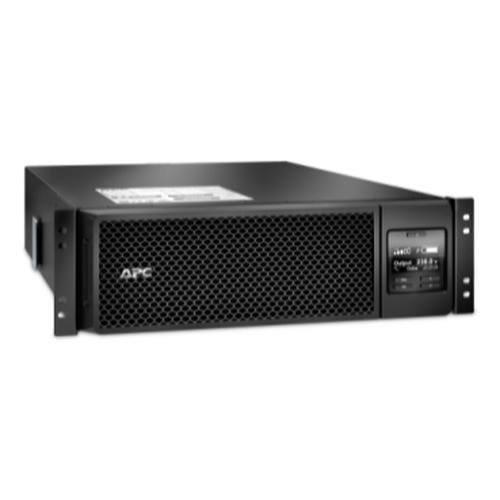
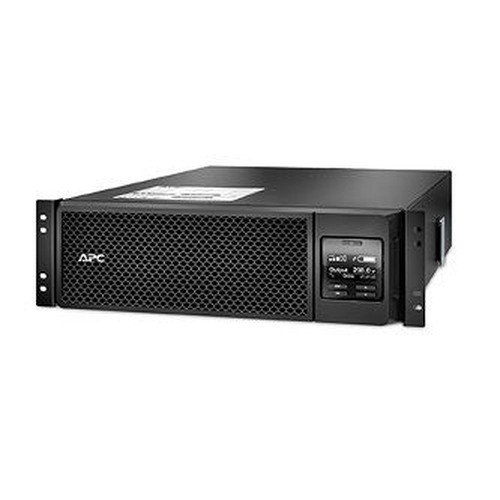
Both the SRT5KRMXLIM and SRT5KRMXLT-IEC are APC Smart-UPS SRT rack-mount, double-conversion online UPS units rated at 5000VA, targeting data centers, network closets, and critical infrastructure installations. The comparison focuses on three decision-critical dimensions: power output and electrical compatibility, protective and operational features, and management and output connectivity. Buyers choosing between these two units must weigh their specific facility voltage standards, load wattage requirements, and whether marine-certified or IEC-outlet flexibility matters to their deployment.
In This Guide
- Which unit delivers more usable watts and fits your facility's electrical infrastructure?
- How do the two units compare on power protection quality and output integrity?
- Which unit offers better management capabilities and output outlet flexibility?
- Which should you choose: the SRT5KRMXLIM or the SRT5KRMXLT-IEC?
- Side-by-Side Specs
- FAQ
Which unit delivers more usable watts and fits your facility's electrical infrastructure?
The SRT5KRMXLIM is rated at 4,500 W of output power versus 4,250 W for the SRT5KRMXLT-IEC — a 250 W (approximately 5.6%) advantage that can matter when powering high-density loads near the UPS ceiling. Both units share the same 5,000 VA output power capacity.
On the input side, the two units serve different voltage environments. The SRT5KRMXLIM is designed for 230 V output (with an input operating range of 160–275 V), while the SRT5KRMXLT-IEC targets 208 V output (input range 100–275 V). The SRT5KRMXLT-IEC's lower minimum input voltage of 100 V provides substantially wider input voltage tolerance, making it more resilient to browndowns in variable-quality utility environments.
Input frequency tolerance also differs: the SRT5KRMXLIM accepts 45–65 Hz, while the SRT5KRMXLT-IEC accepts a broader 40–70 Hz range. For facilities served by generator power or non-standard grid frequencies, the SRT5KRMXLT-IEC offers greater headroom. Output frequency for both units is 50/60 Hz.
How do the two units compare on power protection quality and output integrity?
Both units are double-conversion (online) topology, meaning connected equipment always runs from the inverter output — utility power is continuously rectified and re-inverted, isolating loads from virtually all input power anomalies. Both provide pure/sine waveform output, a 3:1 crest factor, and a 480 J surge energy rating.
On output voltage distortion, the SRT5KRMXLIM specifies a Total Harmonic Distortion (THD) of 3%, while the SRT5KRMXLT-IEC specifies 2% THD. Lower THD means a cleaner sine wave delivered to sensitive equipment; the SRT5KRMXLT-IEC has a 1-percentage-point advantage here, which may matter for precision lab or audio/broadcast equipment, though both figures are well within acceptable limits for enterprise IT loads.
Both units share a 55 dB noise level rating and provide surge protection and audible alarms. The SRT5KRMXLIM additionally specifies Emergency Power Off (EPO) and temperature voltage compensation — neither of those features is listed in the provided specs for the SRT5KRMXLT-IEC. EPO is a mandatory safety feature in many data center and marine installations; its absence from the SRT5KRMXLT-IEC spec sheet does not confirm it is absent on the unit, but it cannot be confirmed from available data.
Which unit offers better management capabilities and output outlet flexibility?
The SRT5KRMXLT-IEC specifies web-based management and auto-restart capabilities — neither feature is listed in the provided specifications for the SRT5KRMXLIM. Web-based management enables remote monitoring and control without a separate network management card if the feature is built in, and auto-restart allows the UPS to return loads to power automatically after a battery-depleted shutdown once utility power is restored.
On output connectivity, the SRT5KRMXLT-IEC explicitly lists its AC outlet types: C13 coupler, C19 coupler, and IEC Jumpers — a versatile mix that directly serves rack-mount servers, high-draw appliances, and daisy-chained distribution units. The SRT5KRMXLIM's specifications do not list outlet types, so a direct comparison on this dimension cannot be made from available data.
The SRT5KRMXLIM's product name and SKU include a 'Marine' designation, indicating it is certified or designed for marine/shipboard environments where vibration, humidity, and corrosion resistance requirements are elevated. This is a significant differentiator for offshore, vessel, or maritime-adjacent deployments. No equivalent environmental certification is listed for the SRT5KRMXLT-IEC.
Which should you choose: the SRT5KRMXLIM or the SRT5KRMXLT-IEC?
Our take: The SRT5KRMXLIM is the stronger choice when the deployment is in a marine or harsh-environment setting requiring 230 V power and Emergency Power Off capability; the SRT5KRMXLT-IEC is the stronger choice for standard data-center or enterprise rack installations on 208 V infrastructure that prioritize management flexibility and outlet variety. Key spec deltas: the SRT5KRMXLIM delivers 4,500 W versus 4,250 W (+250 W, ~5.9% more usable load capacity); the SRT5KRMXLT-IEC achieves 2% output THD versus the SRT5KRMXLIM's 3%, and accepts input from as low as 100 V versus 160 V — a meaningful advantage in generator-fed or unstable-grid environments. The SRT5KRMXLT-IEC also lists web-based management and auto-restart, neither of which appears in the SRT5KRMXLIM spec sheet. Choose the SRT5KRMXLIM for marine-certified or 230 V European-standard facilities; choose the SRT5KRMXLT-IEC for 208 V North American data centers requiring flexible IEC outlet configurations and built-in remote management.
Side-by-Side Comparison
Spec-for-spec, from manufacturer data.
| Specification | APC by Schneider Electric SRT5KRMXLIM | APC by Schneider Electric SRT5KRMXLT-IEC |
|---|---|---|
| UPS Topology | Double-conversion (Online) | Double-conversion (Online) |
| Output Power Capacity | 5,000 VA | 5,000 VA |
| Output Power (Watts) | 4,500 W | 4,250 W |
| Waveform | Pure sine | Sine |
| Output Voltage | 220–230 V | 208 V |
| Input Voltage Range | 160–275 V | 100–275 V |
| Input Frequency Range | 45–65 Hz | 40–70 Hz |
| Output Frequency | 50/60 Hz | 50/60 Hz |
| Output Voltage THD | 3% | 2% |
| Surge Energy Rating | 480 J | 480 J |
| Crest Factor | 3:1 | 3:1 |
| Noise Level | 55 dB | 55 dB |
| Emergency Power Off (EPO) | Yes | — |
| Temperature Voltage Compensation | Yes | — |
| Web-Based Management | — | Yes |
| Auto-Restart | — | Yes |
| AC Outlet Types | — | C13, C19, IEC Jumpers |
| Marine Certification | Yes (per SKU/name) | — |
Frequently Asked Questions
Which should you choose: the SRT5KRMXLIM or the SRT5KRMXLT-IEC?
The SRT5KRMXLIM is the stronger choice when the deployment is in a marine or harsh-environment setting requiring 230 V power and Emergency Power Off capability; the SRT5KRMXLT-IEC is the stronger choice for standard data-center or enterprise rack installations on 208 V infrastructure that prioritize management flexibility and outlet variety. Key spec deltas: the SRT5KRMXLIM delivers 4,500 W versus 4,250 W (+250 W, ~5.9% more usable load capacity); the SRT5KRMXLT-IEC achieves 2% output THD versus the SRT5KRMXLIM's 3%, and accepts input from as low as 100 V versus 160 V — a meaningful advantage in generator-fed or unstable-grid environments. The SRT5KRMXLT-IEC also lists web-based management and auto-restart, neither of which appears in the SRT5KRMXLIM spec sheet. Choose the SRT5KRMXLIM for marine-certified or 230 V European-standard facilities; choose the SRT5KRMXLT-IEC for 208 V North American data centers requiring flexible IEC outlet configurations and built-in remote management.
Can I use the SRT5KRMXLT-IEC on a generator or unstable utility feed?
Based on the provided specifications, the SRT5KRMXLT-IEC accepts input voltages from 100 V to 275 V and input frequencies from 40 Hz to 70 Hz — both significantly wider ranges than the SRT5KRMXLIM (160–275 V, 45–65 Hz). This broader tolerance makes the SRT5KRMXLT-IEC the better-specified choice for generator-powered facilities or regions with variable utility quality. The SRT5KRMXLIM's narrower input window means it may go to battery more frequently in unstable-grid environments.
Which unit supports higher connected load — the SRT5KRMXLIM or the SRT5KRMXLT-IEC?
The SRT5KRMXLIM is rated at 4,500 W output power versus 4,250 W for the SRT5KRMXLT-IEC. Both share the same 5,000 VA capacity rating. The 250 W difference (approximately 5.6%) gives the SRT5KRMXLIM slightly more headroom before the UPS reaches its watt-based limit, which matters in deployments where loads are calculated close to the nameplate wattage ceiling. Neither unit's battery runtime at various load levels is available in the provided specifications.
Does the SRT5KRMXLIM include web-based management like the SRT5KRMXLT-IEC?
Based on the specifications provided, web-based management and auto-restart are listed only for the SRT5KRMXLT-IEC. These features do not appear in the SRT5KRMXLIM specification set. Buyers who require remote UPS monitoring and control through a browser interface — without installing an add-on network management card — should verify this capability directly with APC before selecting the SRT5KRMXLIM, as the available spec data does not confirm it is present on that model.
More UPS Comparisons
- APC by Schneider Electric SRT5KRMXLIM vs Vertiv GXT5LI-5000MVRT3UXLN
- APC by Schneider Electric SRT5KRMXLIM vs CyberPower PR5000LCDRTXL5U
- APC by Schneider Electric SRT5KRMXLIM vs Vertiv GXT5LI-5KL630RT3UXLN
- APC by Schneider Electric SRT5KRMXLIM vs APC by Schneider Electric SRT5KXLT-IEC
- APC by Schneider Electric SRT5KRMXLT-IEC vs Vertiv GXT5LI-5000MVRT3UXLN
- APC by Schneider Electric SRT5KRMXLT-IEC vs CyberPower PR5000LCDRTXL5U
UPS Buying Guides
Get a Second Opinion on Your Camera Choice
Share your site layout, coverage goals, and budget. Our team will validate the camera selection, flag anything we would change, and recommend products that match the use case.