
APC by Schneider Electric SRT5KXLI vs CyberPower PR5000LCDRTXL5U: Specification Comparison
Both the APC Smart-UPS SRT5KXLI and the CyberPower PR5000LCDRTXL5U are rack-mount, line-interactive or double-conversion 5000VA uninterruptible power supplies aimed at protecting critical IT and AV infrastructure. This comparison examines the three dimensions that most influence a UPS purchase decision at this capacity tier: input/output electrical compatibility and voltage flexibility, physical form factor and installation requirements, and battery specifications alongside included accessories and warranty coverage.
In This Guide
- Which UPS better matches your facility's voltage and input range requirements?
- How do the two units differ in physical size, weight, and rack integration?
- What are the battery specifications, and which unit offers stronger post-purchase support?
- Which should you choose: the SRT5KXLI or the PR5000LCDRTXL5U?
- Side-by-Side Specs
- FAQ
Which UPS better matches your facility's voltage and input range requirements?
The SRT5KXLI is designed exclusively for 230V input and 230V output, making it suited for international or European single-phase 230V environments. No input voltage range is specified in the provided specs, so tolerance to voltage fluctuations cannot be confirmed from available data.
The PR5000LCDRTXL5U operates on a 208 VAC nominal input with a published range of 148–254 VAC, delivering 208 VAC ±5% output via an L6-30 receptacle configuration with 5 output connections. The wide input range (148–254 VAC) provides documented tolerance to voltage sag and swell before switching to battery.
A buyer in a North American facility running 208V three-phase-derived branch circuits will find the PR5000LCDRTXL5U directly compatible. A buyer in a 230V single-phase environment (common outside North America, or in some NA data centers with international equipment) will find the SRT5KXLI the appropriate fit. These two units target different nominal voltage standards and are not interchangeable on that axis.
How do the two units differ in physical size, weight, and rack integration?
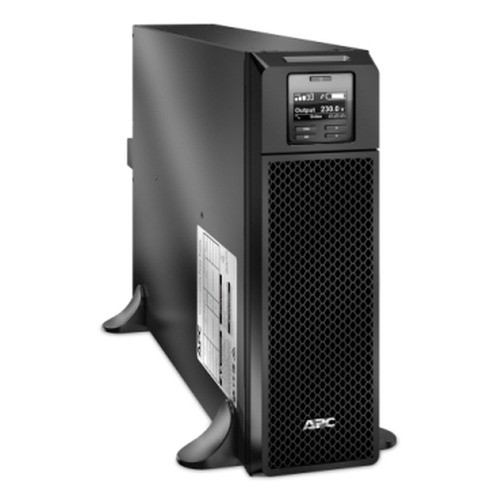
The SRT5KXLI is specified as a Rack Mount type and lists dimensions of 43.2 H × 13 W × 71.94 D cm (approximately 17 H × 5.1 W × 28.3 D in), with a rack height stated as approximately 5.1 inches. The provided dimensional data appears to reflect a non-standard aspect ratio for a rack unit; the 5U rack height is not explicitly confirmed in the spec sheet for this model, though the mounting type is rack.
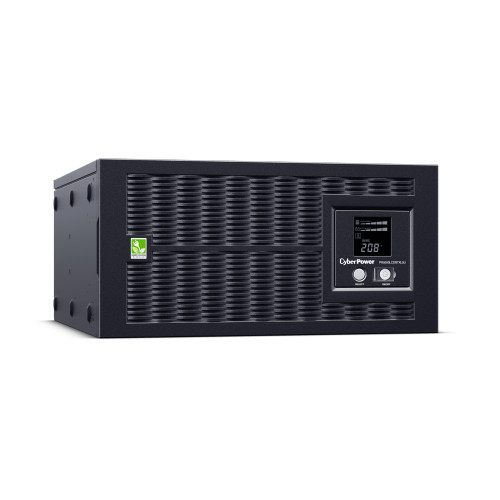
The PR5000LCDRTXL5U provides explicit dimensions of 17 W × 8.75 H × 24.25 D inches and a confirmed 5U rack form factor, with the additional option to deploy as a tower. Weight is stated at 222 lb, a significant logistical consideration requiring two-person installation and reinforced rack rail capacity. The rack/tower convertibility adds deployment flexibility absent from the SRT5KXLI spec.
The PR5000LCDRTXL5U's weight and dual-orientation capability are clearly documented. The SRT5KXLI includes removable support feet in the box, consistent with a rack/tower convertible design, but the spec sheet does not explicitly confirm tower mode. Installers should verify rail kit compatibility for both units with their specific rack enclosures before ordering.
What are the battery specifications, and which unit offers stronger post-purchase support?
The SRT5KXLI uses a lead-acid battery. No further detail—cell count, individual cell voltage, amp-hour rating, hot-swap capability, or user-replaceability—is provided in the supplied specifications. Warranty terms are not stated in the available spec data for this model.
The PR5000LCDRTXL5U specifies 16 × 12V/9Ah sealed lead-acid cells, explicitly rated as user-replaceable and hot-swappable. Hot-swap capability means battery replacement can occur without a maintenance window or load transfer. The unit carries a stated 3-year limited warranty and meets UL1778, RoHS, and ENERGY STAR standards.
On battery transparency and warranty, the PR5000LCDRTXL5U provides significantly more documented detail. The SRT5KXLI's battery configuration and warranty duration are not derivable from the provided specs alone; buyers should consult APC's published datasheet or product page before making a purchase decision based on those attributes.
Which should you choose: the SRT5KXLI or the PR5000LCDRTXL5U?
Our take: The PR5000LCDRTXL5U is the stronger documented choice for North American facilities running 208V circuits where battery serviceability and standards compliance are purchasing criteria. Its 148–254 VAC input range is explicitly specified, its 16 × 12V/9Ah hot-swappable battery configuration is fully documented, and it carries a confirmed 3-year limited warranty with UL1778 and ENERGY STAR certifications—none of which appear in the SRT5KXLI's provided spec sheet. The SRT5KXLI, by contrast, is the appropriate selection for 230V single-phase environments outside North America or in international equipment deployments, where the PR5000LCDRTXL5U's 208V output is incompatible. The 222 lb weight of the PR5000LCDRTXL5U demands careful rack loading assessment. Buyers should not cross-shop these units primarily on VA rating—the nominal voltage mismatch (208V vs. 230V) is the disqualifying factor in most single-site decisions.
Side-by-Side Comparison
Spec-for-spec, from manufacturer data.
| Specification | APC by Schneider Electric SRT5KXLI | CyberPower PR5000LCDRTXL5U |
|---|---|---|
| Product Class | UPS (Uninterruptible Power Supply) | UPS System |
| Nominal Input Voltage | 230V | 208 VAC |
| Input Voltage Range | — | 148–254 VAC |
| Nominal Output Voltage | 230V | 208 VAC ±5% |
| Capacity (VA) | 5000 VA | 5000 VA |
| Form Factor / Mount | Rack Mount | Rack (5U) or Tower |
| Rack Height | ~5.1 in (approx.) | 5U (8.75 in H) |
| Dimensions (WxHxD) | 13 W × 43.2 H × 71.94 D cm | 17 × 8.75 × 24.25 in |
| Weight | — | 222 lb |
| Battery Type | Lead-acid | Sealed Lead-Acid |
| Battery Configuration | — | 16 × 12V / 9Ah |
| Hot-Swap Battery | — | Yes, user-replaceable |
| Output Receptacles | — | 5 (L6-30) |
| Operating Temperature | — | 32–104°F (0–40°C) |
| Safety / Compliance | — | UL1778, RoHS, ENERGY STAR |
| Warranty | — | 3-year limited |
Frequently Asked Questions
Which should you choose: the SRT5KXLI or the PR5000LCDRTXL5U?
The PR5000LCDRTXL5U is the stronger documented choice for North American facilities running 208V circuits where battery serviceability and standards compliance are purchasing criteria. Its 148–254 VAC input range is explicitly specified, its 16 × 12V/9Ah hot-swappable battery configuration is fully documented, and it carries a confirmed 3-year limited warranty with UL1778 and ENERGY STAR certifications—none of which appear in the SRT5KXLI's provided spec sheet. The SRT5KXLI, by contrast, is the appropriate selection for 230V single-phase environments outside North America or in international equipment deployments, where the PR5000LCDRTXL5U's 208V output is incompatible. The 222 lb weight of the PR5000LCDRTXL5U demands careful rack loading assessment. Buyers should not cross-shop these units primarily on VA rating—the nominal voltage mismatch (208V vs. 230V) is the disqualifying factor in most single-site decisions.
Can I use either the SRT5KXLI or PR5000LCDRTXL5U on a standard US 208V data center branch circuit?
Only the PR5000LCDRTXL5U is specified for 208 VAC nominal input and output. The SRT5KXLI is rated for 230V input and output, which does not match a standard North American 208V branch circuit. Using the wrong voltage-rated UPS risks equipment damage and may void the warranty.
Which unit allows me to replace the battery without taking my servers offline?
The PR5000LCDRTXL5U explicitly specifies hot-swappable, user-replaceable batteries (16 × 12V/9Ah sealed lead-acid). The SRT5KXLI's provided specifications do not state whether its battery is hot-swappable or user-replaceable; that information is absent from the supplied spec data and would need to be confirmed via the APC product datasheet.
Which UPS has a better warranty, and does either carry third-party safety certifications?
The PR5000LCDRTXL5U carries a documented 3-year limited warranty and meets UL1778, RoHS, and ENERGY STAR standards. No warranty duration or safety certification data is present in the SRT5KXLI specifications provided; prospective buyers should verify those details directly with APC before purchase.
More UPS Comparisons
- APC by Schneider Electric SRT5KRMXLIM vs Vertiv GXT5LI-5000MVRT3UXLN
- APC by Schneider Electric SRT5KRMXLIM vs CyberPower PR5000LCDRTXL5U
- APC by Schneider Electric SRT5KRMXLIM vs Vertiv GXT5LI-5KL630RT3UXLN
- APC by Schneider Electric SRT5KRMXLIM vs APC by Schneider Electric SRT5KRMXLT-IEC
- APC by Schneider Electric SRT5KRMXLIM vs APC by Schneider Electric SRT5KXLT-IEC
- APC by Schneider Electric SRT5KRMXLT-IEC vs Vertiv GXT5LI-5000MVRT3UXLN
UPS Buying Guides
Get a Second Opinion on Your Camera Choice
Share your site layout, coverage goals, and budget. Our team will validate the camera selection, flag anything we would change, and recommend products that match the use case.