
APC by Schneider Electric SRT10KXLT vs APC by Schneider Electric E3SUPS10KFBS: Specification Comparison
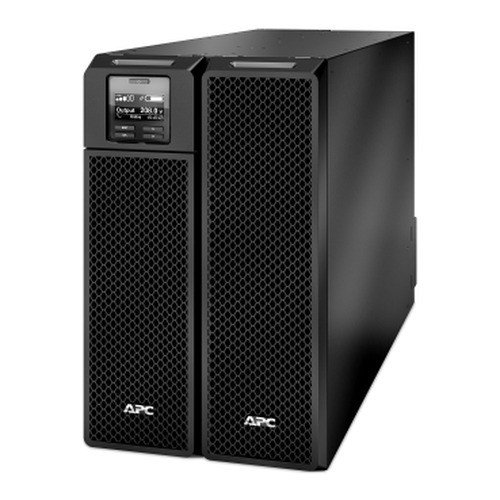
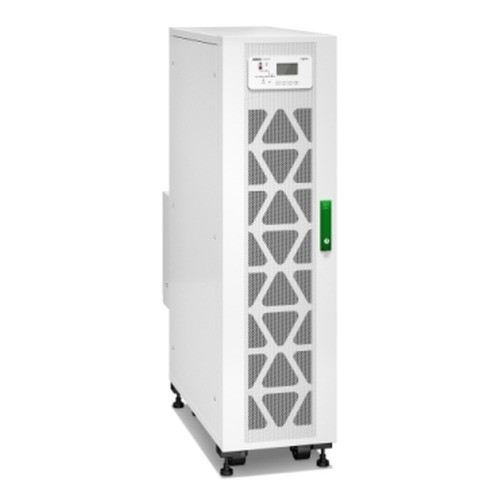
Both units are 10 kVA / 10 kW rack- or tower-format uninterruptible power supplies from APC by Schneider Electric, making them direct cross-shop candidates for data-center and wiring-closet deployments requiring protected, conditioned power at this capacity tier. The SRT10KXLT is a Smart-UPS On-Line double-conversion unit with a wide-input voltage window, while the E3SUPS10KFBS is an Easy UPS 3S tower model with a narrower input range and explicit 3-phase-input/3-phase-output (3:3) architecture. Key differentiators span topology, input flexibility, connectivity, and environmental ratings.
In This Guide
- Which UPS handles a wider range of input power conditions and what topology protects the load?
- What connectivity and remote-management interfaces does each UPS provide?
- What are the physical and environmental operating parameters for each unit?
- Which should you choose: the SRT10KXLT or the E3SUPS10KFBS?
- Side-by-Side Specs
- FAQ
Which UPS handles a wider range of input power conditions and what topology protects the load?
The SRT10KXLT specifies Double-conversion (Online) topology, meaning the load is continuously fed from the inverter and is fully isolated from input disturbances at all times. Its input operating voltage spans 100 V to 275 V and its input frequency window is 40–70 Hz, accommodating significant utility variation without switching to battery. It also lists a surge energy rating of 480 J and EMI/RFI noise filtering rated at 55 dB, quantifying passive protection on the input side.
The E3SUPS10KFBS does not specify its UPS topology in the provided data. Its input voltage range is 208 V to 220 V — a 12 V window — and input frequency is listed as 50/60 Hz (nominal, not a continuous range). No surge energy rating or EMI/RFI filtering value is provided for this model. Buyers operating in environments with unstable utility voltage or wide frequency variation have a clearly quantified advantage with the SRT10KXLT on this dimension.
What connectivity and remote-management interfaces does each UPS provide?
The SRT10KXLT includes two Ethernet LAN (RJ-45) ports rated 10/100Base-T, a USB port, and a specified cabling technology, enabling network management card integration and direct USB communication with a host server. AC outlets total six, with receptacle types NEMA L6-20R and NEMA L6-30R, and the unit provides audible alarms. The dual Ethernet ports suggest pass-through or redundant network management capability.
The E3SUPS10KFBS provides no connectivity specifications in the supplied data — no USB, no Ethernet ports, no outlet types, and no outlet count are listed. This does not confirm the absence of those features; it reflects a gap in the provided specification set. Buyers who require documented, spec-confirmed remote management and local USB communication should note this gap and verify with the manufacturer before specifying the E3SUPS10KFBS for managed infrastructure.
What are the physical and environmental operating parameters for each unit?
The E3SUPS10KFBS provides a substantially more complete environmental specification: operating temperature 0–40 °C, storage temperature -15–40 °C, operating relative humidity 0–95 %, storage relative humidity 0–95 %, IP20 ingress protection rating, metal housing, white color, and tower form factor. Battery voltage is specified at 120 V and maximum output current at 31 A. These parameters support formal site-qualification processes.
The SRT10KXLT supplies none of these environmental or physical-build attributes in the provided data — no operating temperature, no humidity range, no IP rating, no form factor, no housing material, and no battery voltage. Output voltage range spans 208–240 V with a crest factor of 3:1. Buyers who must meet facility or compliance specifications for temperature tolerance, humidity resistance, or ingress protection will find only the E3SUPS10KFBS provides that data in the supplied specs.
Which should you choose: the SRT10KXLT or the E3SUPS10KFBS?
Our take: The SRT10KXLT is the stronger choice when input power quality is uncertain, remote management is mandatory, or the installation must support a broad range of input voltages. Its confirmed double-conversion online topology ensures zero transfer time to battery; its 100–275 V input window (versus E3SUPS10KFBS's 208–220 V) tolerates severe utility variation; its dual 10/100 Ethernet ports and USB interface enable documented network management that the E3SUPS10KFBS cannot confirm from available specs; and its 480 J surge rating plus 55 dB EMI/RFI filter are explicitly quantified. Conversely, the E3SUPS10KFBS is the only model that provides formal environmental ratings — 0–40 °C operation, 0–95 % RH, IP20 — and physical-build data needed for site qualification in regulated or industrial environments. The E3SUPS10KFBS's 3:3 phase architecture also signals a different wiring-infrastructure requirement. Choose the SRT10KXLT for IT-room managed power with utility variation; specify the E3SUPS10KFBS where 3-phase input, environmental certification, and tower form factor are required.
Side-by-Side Comparison
Spec-for-spec, from manufacturer data.
| Specification | APC by Schneider Electric SRT10KXLT | APC by Schneider Electric E3SUPS10KFBS |
|---|---|---|
| UPS Topology | Double-conversion (Online) | — |
| Output Power Capacity | 10 kVA | 10 kVA |
| Output Power | 10,000 W | 10,000 W |
| Input Voltage Range | 100–275 V | 208–220 V |
| Input Frequency | 40–70 Hz | 50/60 Hz |
| Output Voltage Range | 208–240 V | 208–220 V |
| Output Frequency | — | 50/60 Hz |
| Maximum Output Current | — | 31 A |
| Surge Energy Rating | 480 J | — |
| EMI/RFI Noise Filtering | 55 dB | — |
| Crest Factor | 3:1 | — |
| AC Outlets | 6 (NEMA L6-20R, L6-30R) | — |
| Ethernet LAN Ports | 2 × 10/100Base-T (RJ-45) | — |
| USB Port | Yes | — |
| Battery Voltage | — | 120 V |
| Operating Temperature | — | 0–40 °C |
| Operating Humidity | — | 0–95 % |
| IP Rating | — | IP20 |
| Form Factor | — | Tower |
| Housing Material | — | Metal |
| Audible Alarm | Yes | — |
Frequently Asked Questions
Which should you choose: the SRT10KXLT or the E3SUPS10KFBS?
The SRT10KXLT is the stronger choice when input power quality is uncertain, remote management is mandatory, or the installation must support a broad range of input voltages. Its confirmed double-conversion online topology ensures zero transfer time to battery; its 100–275 V input window (versus E3SUPS10KFBS's 208–220 V) tolerates severe utility variation; its dual 10/100 Ethernet ports and USB interface enable documented network management that the E3SUPS10KFBS cannot confirm from available specs; and its 480 J surge rating plus 55 dB EMI/RFI filter are explicitly quantified. Conversely, the E3SUPS10KFBS is the only model that provides formal environmental ratings — 0–40 °C operation, 0–95 % RH, IP20 — and physical-build data needed for site qualification in regulated or industrial environments. The E3SUPS10KFBS's 3:3 phase architecture also signals a different wiring-infrastructure requirement. Choose the SRT10KXLT for IT-room managed power with utility variation; specify the E3SUPS10KFBS where 3-phase input, environmental certification, and tower form factor are required.
Is the SRT10KXLT or E3SUPS10KFBS better for a data center with fluctuating utility power?
Based on the provided specs, the SRT10KXLT is better suited to that scenario. Its double-conversion online topology keeps the load continuously on inverter power, and its input voltage range of 100–275 V with a 40–70 Hz frequency window tolerates wide utility variation without discharging the battery. The E3SUPS10KFBS lists a 208–220 V input range and 50/60 Hz nominal; its topology is not specified in the available data.
Which unit is easier to integrate with network monitoring systems?
The SRT10KXLT specifies two Ethernet LAN (RJ-45) 10/100Base-T ports and a USB port, providing documented connectivity for network management cards and host-side communication software. The E3SUPS10KFBS has no connectivity specifications in the supplied data — neither Ethernet nor USB ports are listed. Buyers requiring confirmed, spec-documented remote management should verify the E3SUPS10KFBS's interface capabilities directly with APC before specifying it for a monitored environment.
Which UPS provides the environmental ratings needed for a formal facility compliance review?
Only the E3SUPS10KFBS supplies environmental data in the provided specifications: operating temperature 0–40 °C, storage temperature -15–40 °C, operating and storage relative humidity 0–95 %, and an IP20 ingress protection rating. The SRT10KXLT provides none of these values in the available specs. For deployments where facilities or IT compliance processes require documented temperature, humidity, or IP ratings, the E3SUPS10KFBS is the only model here with those numbers on record.
More UPS Comparisons
- APC by Schneider Electric SRTL10KRM4UT-5KTF2 vs Panduit U10N32V
- APC by Schneider Electric SRTL10KRM4UT-5KTF2 vs Panduit U10N11V
- APC by Schneider Electric SRTL10KRM4UT-5KTF2 vs Panduit U10N12V
- APC by Schneider Electric SRTL10KRM4UT-5KTF2 vs Vertiv GXT5-10KHVRT5UXLN
- APC by Schneider Electric SRTL10KRM4UT-5KTF2 vs APC by Schneider Electric E3SUPS10KFBS
- APC by Schneider Electric SRTL10KRM4UT-5KTF2 vs APC by Schneider Electric SRT10KRMXLT-10KTF
UPS Buying Guides
Get a Second Opinion on Your Camera Choice
Share your site layout, coverage goals, and budget. Our team will validate the camera selection, flag anything we would change, and recommend products that match the use case.