
APC by Schneider Electric SRTL10KRM4UT-5KTF2 vs Panduit U10N32V: Specification Comparison
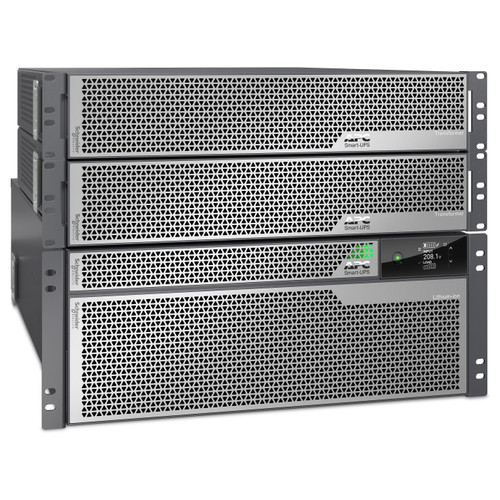
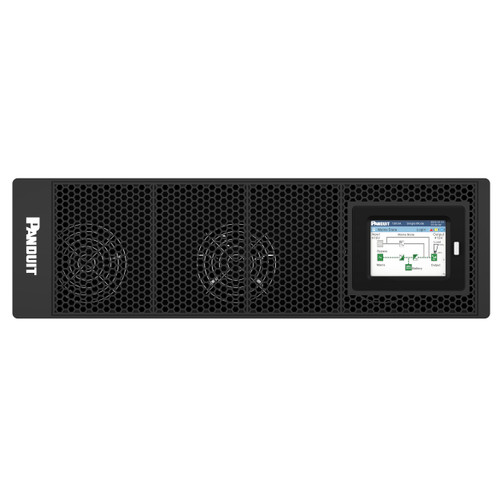
Both the APC Smart-UPS Ultra SRTL10KRM4UT-5KTF2 and the Panduit SteadySine U10N32V are 10 kVA rack-mount UPS units targeting data center, edge, and enterprise power protection. The APC is a true online (double-conversion) design with a lithium-ion battery pack and an embedded network management card, while the Panduit is a line-interactive unit with hot-swappable battery modules and broad protocol management. Buyers cross-shopping these will weigh topology, battery serviceability, runtime flexibility, rack space, and management depth.
In This Guide
- Which UPS topology and output characteristics better protect critical loads?
- How do battery technology, recharge time, and runtime scalability compare?
- Which unit offers more flexible management and fits better into the rack?
- Which should you choose: the SRTL10KRM4UT-5KTF2 or the U10N32V?
- Side-by-Side Specs
- FAQ
Which UPS topology and output characteristics better protect critical loads?
The APC SRTL10KRM4UT-5KTF2 uses a true online (double-conversion) topology, meaning output power is always regenerated from the inverter and the load is never exposed to raw utility power. It delivers a sine-wave output at 208 V / 240 V AC (single phase), 10,000 W / 10,000 VA with a crest factor of 3:1, and output frequency is locked to 50/60 Hz ±3 Hz synchronized to mains. This topology provides the tightest isolation from input disturbances—surges, sags, frequency drift—at the cost of slightly higher idle losses compared with line-interactive designs.
The Panduit U10N32V uses a line-interactive topology with AVR (Automatic Voltage Regulation), rated at 10 kVA / 10 kW with a pure sine-wave output. Its input voltage range is specified as 160–280 V AC with AVR, and transfer time on loss of mains is less than 4 ms. Line-interactive topology corrects voltage excursions without switching to battery, but during a complete mains failure a <4 ms transfer gap exists. Panduit claims up to 98% efficiency in ECO mode; no ECO-mode efficiency figure is provided for the APC. Output depth specifications (voltage tolerance, frequency range) are not detailed in the Panduit spec set provided.
How do battery technology, recharge time, and runtime scalability compare?
The APC unit uses an integrated lithium-ion (Li-Ion) battery pack at 180 V battery bus voltage, with a rated recharge time of 1.5 hours and a battery charging power of 1,200 W. The spec field 'Extendable Runtime' is listed as 0, indicating that external battery modules are not supported (or not available for this configuration). Li-Ion chemistry offers a longer cycle life and reduced weight versus VRLA, and the 1.5-hour recharge is competitive. However, the battery is not described as hot-swappable; no field in the provided spec data confirms online battery replacement.
The Panduit U10N32V specifies hot-swappable battery modules, meaning batteries can be replaced under load without shutting down connected equipment—a significant operational advantage in always-on environments. Battery chemistry, battery voltage, recharge time, and runtime figures are not provided in the supplied spec data for the Panduit. No external battery module part numbers or runtime extension capability is described in the provided data, so runtime scalability beyond the base configuration cannot be confirmed from specs alone.
Which unit offers more flexible management and fits better into the rack?
The APC SRTL10KRM4UT-5KTF2 occupies 4U and ships in a rack/tower convertible configuration with a rack kit included. It weighs approximately 397.9 lb (180.5 kg) packaged. Management interfaces include a multi-function LCD status and control console, serial port, USB port, an embedded network management card 3 (NMC3), and an available expansion slot. Audible and visible alarms are prioritized by severity. The embedded NMC3 provides out-of-box network management without purchasing an additional card.
The Panduit U10N32V occupies 3U (12" H × 17.3" W), saving 1U of rack space versus the APC. Its management suite includes an LCD display, SNMP, Modbus, and a web interface. It carries Energy Star and California Title 20 compliance certifications; no equivalent certifications are listed in the APC spec data provided. Physical weight for the Panduit is not provided in the supplied specs. No expansion slot is mentioned for the Panduit. Both units provide LCD-based local management; the APC adds a dedicated embedded NMC3, while the Panduit integrates Modbus—useful in industrial or BMS environments.
Which should you choose: the SRTL10KRM4UT-5KTF2 or the U10N32V?
Our take: The SRTL10KRM4UT-5KTF2 is the stronger choice when zero transfer time and tightest load isolation are non-negotiable, such as protecting sensitive computing or storage hardware with no tolerance for even a sub-5 ms mains gap. Its online double-conversion topology eliminates the <4 ms transfer window present in the Panduit's line-interactive design, and the embedded NMC3 means network management is included without an add-on card. The APC also provides a documented 1.5-hour Li-Ion recharge time. Conversely, the U10N32V wins on rack density (3U vs. 4U), hot-swappable battery modules for zero-downtime battery service, native Modbus support for BMS/DCIM integration, and up to 98% efficiency in ECO mode—none of which is confirmed in the APC spec set provided. Buyers prioritizing serviceability under load, protocol breadth, or rack space efficiency in a line-interactive-tolerant environment should evaluate the Panduit; buyers requiring true online isolation should favor the APC.
Side-by-Side Comparison
Spec-for-spec, from manufacturer data.
| Specification | APC by Schneider Electric SRTL10KRM4UT-5KTF2 | Panduit U10N32V |
|---|---|---|
| UPS Topology | Online (Double-Conversion) | Line-Interactive with AVR |
| Rated Output Power | 10,000 W / 10,000 VA | 10 kW / 10 kVA |
| Output Waveform | Sine wave | Pure Sine Wave |
| Input Voltage Range | 208 V / 240 V AC (1-phase) | 160–280 V AC (with AVR) |
| Output Voltage | 208 V / 240 V AC (1-phase) | — |
| Input Frequency | 50/60 Hz | — |
| Transfer Time (mains loss) | 0 ms (online, no transfer) | <4 ms |
| Battery Type | Li-Ion (Lithium Ion) | Hot-Swappable Modules |
| Battery Voltage | 180 V | — |
| Typical Recharge Time | 1.5 h | — |
| Battery Charging Power | 1,200 W | — |
| Efficiency | — | Up to 98% (ECO Mode) |
| Form Factor | 4U Rack/Tower Convertible | 3U Rack-Mount |
| Management Interfaces | LCD, Serial, USB, Embedded NMC3, Expansion Slot | LCD, SNMP, Modbus, Web Interface |
| Acoustic Level | 55 dB | — |
| Compliance / Certifications | IP20 | Energy Star, California Title 20 |
Frequently Asked Questions
Which should you choose: the SRTL10KRM4UT-5KTF2 or the U10N32V?
The SRTL10KRM4UT-5KTF2 is the stronger choice when zero transfer time and tightest load isolation are non-negotiable, such as protecting sensitive computing or storage hardware with no tolerance for even a sub-5 ms mains gap. Its online double-conversion topology eliminates the <4 ms transfer window present in the Panduit's line-interactive design, and the embedded NMC3 means network management is included without an add-on card. The APC also provides a documented 1.5-hour Li-Ion recharge time. Conversely, the U10N32V wins on rack density (3U vs. 4U), hot-swappable battery modules for zero-downtime battery service, native Modbus support for BMS/DCIM integration, and up to 98% efficiency in ECO mode—none of which is confirmed in the APC spec set provided. Buyers prioritizing serviceability under load, protocol breadth, or rack space efficiency in a line-interactive-tolerant environment should evaluate the Panduit; buyers requiring true online isolation should favor the APC.
Can I replace the batteries without shutting down connected equipment?
The Panduit U10N32V explicitly specifies hot-swappable battery modules, allowing battery replacement under load. The APC SRTL10KRM4UT-5KTF2 spec data provided does not describe the battery as hot-swappable; buyers requiring confirmed online battery replacement should verify directly with APC documentation before purchasing.
Which unit takes up less rack space?
The Panduit U10N32V is a 3U unit (12" H × 17.3" W). The APC SRTL10KRM4UT-5KTF2 requires 4U. If rack space is constrained, the Panduit saves 1U per unit installed.
Does either UPS include network management out of the box, or do I need to buy a card separately?
The APC SRTL10KRM4UT-5KTF2 includes an embedded Network Management Card 3 (NMC3) as a standard feature, providing network-based monitoring and control without an additional purchase. The Panduit U10N32V includes SNMP and a web interface as standard; no separate management card is referenced in the provided specs.
More UPS Comparisons
- APC by Schneider Electric SRTL10KRM4UT-5KTF2 vs Panduit U10N11V
- APC by Schneider Electric SRTL10KRM4UT-5KTF2 vs Panduit U10N12V
- APC by Schneider Electric SRTL10KRM4UT-5KTF2 vs Vertiv GXT5-10KHVRT5UXLN
- APC by Schneider Electric SRTL10KRM4UT-5KTF2 vs APC by Schneider Electric E3SUPS10KFBS
- APC by Schneider Electric SRTL10KRM4UT-5KTF2 vs APC by Schneider Electric SRT10KRMXLT-10KTF
- Panduit U10N32V vs APC by Schneider Electric E3SUPS10KFBS
UPS Buying Guides
Get a Second Opinion on Your Camera Choice
Share your site layout, coverage goals, and budget. Our team will validate the camera selection, flag anything we would change, and recommend products that match the use case.