
Zebra ZT51043-T01000GA vs Zebra ZT41142-T0100A0Z: Specification Comparison
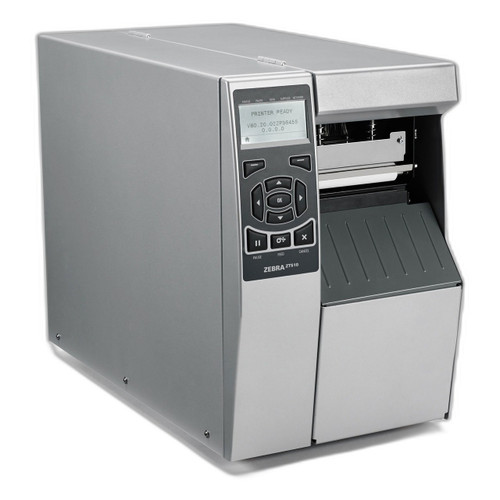
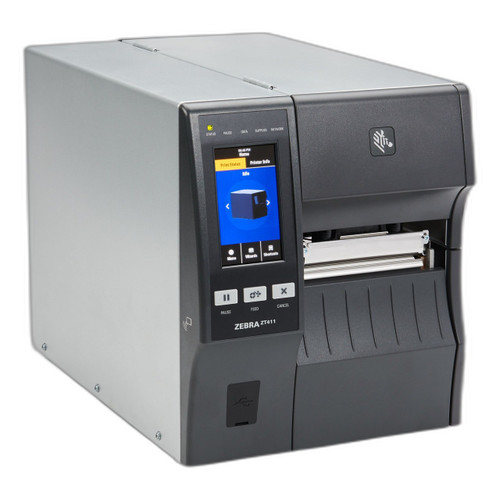
Both the Zebra ZT51043-T01000GA and ZT41142-T0100A0Z are 4-inch industrial thermal label printers targeting warehouse, manufacturing, and logistics environments. They share the same form factor, thermal print technology, 4-inch maximum print width, 1-year warranty, and overlapping connectivity options including Wi-Fi and Bluetooth. A buyer evaluating either unit is choosing between two industrial-grade barcode label printers within the same Zebra ZT-series family, making a side-by-side comparison meaningful across resolution, print speed, connectivity depth, memory, and supported symbology breadth.
In This Guide
- Which printer delivers the resolution and print speed your label volume demands?
- Which printer fits your network and device-pairing infrastructure?
- Which printer supports the barcode formats and system capabilities your application requires?
- Which should you choose: the ZT51043-T01000GA or the ZT41142-T0100A0Z?
- Side-by-Side Specs
- FAQ
Which printer delivers the resolution and print speed your label volume demands?
Resolution is where the ZT51043-T01000GA clearly differentiates itself: its specs list 300 DPI as the primary resolution figure, whereas the ZT41142-T0100A0Z leads with 203 DPI in its primary spec fields (with additional 300 and 600 DPI values noted in the Print Resolution field for certain configurations). For applications requiring fine text, dense 2D barcodes, or small-pitch labels, the ZT51043's confirmed 300 DPI output is a tangible advantage.
Print speed is specified only for the ZT41142-T0100A0Z at 14 inches per second (ips). The ZT51043-T01000GA's specs do not include a print speed figure. Buyers with throughput-sensitive, high-volume label runs—where sustained speed matters more than resolution—will find the ZT41142's 14 ips spec directly actionable, while the ZT51043 leaves that dimension unconfirmed.
Which printer fits your network and device-pairing infrastructure?
The ZT41142-T0100A0Z provides a broader wired and wireless interface set: Ethernet, Wi-Fi, Bluetooth 4.1/MFi, USB, and Serial are all documented. This gives it a clear advantage in fixed-dock, IT-managed network deployments where a wired Ethernet drop is standard, and in Apple MFi mobile environments where certified Bluetooth pairing is required.
The ZT51043-T01000GA is specified with Wi-Fi and Bluetooth connectivity but does not list Ethernet or Serial in its provided specs. For purely wireless warehouse deployments—mobile carts, roving print stations—its dual wireless profile is sufficient. However, the absence of a documented Ethernet interface limits its suitability for installations requiring a hardwired network connection or legacy serial integration.
Which printer supports the barcode formats and system capabilities your application requires?
The ZT41142-T0100A0Z supports a wider set of 2D symbologies: QR Code, Data Matrix, and PDF417 are all listed, versus the ZT51043-T01000GA, which lists only QR Code as a 2D symbology. For applications encoding GS1 DataMatrix (pharmaceuticals, medical devices) or PDF417 (shipping, ID documents), the ZT41142 covers formats the ZT51043's specs do not confirm.
On memory, the ZT51043-T01000GA carries 512 MB RAM versus 256 MB SDRAM in the ZT41142-T0100A0Z—double the RAM, which can matter for storing large label format libraries, fonts, and graphics locally. The ZT41142 also documents integrated RFID encoding capability; the ZT51043's specs make no mention of RFID. For item-level RFID tagging requirements, the ZT41142 is the only confirmed option between the two.
Which should you choose: the ZT51043-T01000GA or the ZT41142-T0100A0Z?
Our take: The ZT51043-T01000GA is the stronger choice when print resolution and onboard memory are the primary decision drivers, while the ZT41142-T0100A0Z is the stronger choice for high-throughput, multi-interface, and extended-symbology deployments. The ZT51043 offers 300 DPI versus the ZT41142's documented 203 DPI primary resolution, and 512 MB RAM versus 256 MB RAM—advantages for high-fidelity labels and large format libraries. The ZT41142 counters with a confirmed 14 ips print speed (ZT51043 speed is not specified), Ethernet and Serial interfaces absent from the ZT51043's specs, broader 2D symbology support including Data Matrix and PDF417, and documented RFID encoding capability. Choose the ZT51043 for wireless-only environments where label clarity and memory depth matter. Choose the ZT41142 for wired network integration, Apple MFi mobile pairing, RFID label encoding, or facilities printing Data Matrix or PDF417 barcodes at high speed.
Side-by-Side Comparison
Spec-for-spec, from manufacturer data.
| Specification | Zebra ZT51043-T01000GA | Zebra ZT41142-T0100A0Z |
|---|---|---|
| Product Type | Industrial Thermal Label Printer | Industrial Thermal Printer |
| Print Width | 4 inches | 4 inches |
| Print Technology | Thermal (monochrome) | Thermal |
| Resolution (primary spec) | 300 DPI | 203 DPI |
| Resolution (additional options) | — | 300, 600 DPI (noted in spec) |
| Print Speed | Not specified | 14 ips |
| Connectivity — Ethernet | Not specified | Yes |
| Connectivity — Wi-Fi | Yes | Yes |
| Connectivity — Bluetooth | Yes | Bluetooth 4.1 / MFi |
| Connectivity — USB | Not specified | Yes |
| Connectivity — Serial | Not specified | Yes |
| Memory | 512 MB RAM | 256 MB SDRAM |
| 2D Symbologies | QR Code | QR Code, Data Matrix, PDF417 |
| 1D Symbologies | Code 128, Code 39, UPC, EAN | Code 128, Code 39, UPC, EAN |
| RFID Encoding | Not specified | Integrated (documented) |
| Warranty | 1 year | 1 year |
Frequently Asked Questions
Which should you choose: the ZT51043-T01000GA or the ZT41142-T0100A0Z?
The ZT51043-T01000GA is the stronger choice when print resolution and onboard memory are the primary decision drivers, while the ZT41142-T0100A0Z is the stronger choice for high-throughput, multi-interface, and extended-symbology deployments. The ZT51043 offers 300 DPI versus the ZT41142's documented 203 DPI primary resolution, and 512 MB RAM versus 256 MB RAM—advantages for high-fidelity labels and large format libraries. The ZT41142 counters with a confirmed 14 ips print speed (ZT51043 speed is not specified), Ethernet and Serial interfaces absent from the ZT51043's specs, broader 2D symbology support including Data Matrix and PDF417, and documented RFID encoding capability. Choose the ZT51043 for wireless-only environments where label clarity and memory depth matter. Choose the ZT41142 for wired network integration, Apple MFi mobile pairing, RFID label encoding, or facilities printing Data Matrix or PDF417 barcodes at high speed.
Is the ZT51043-T01000GA or ZT41142-T0100A0Z better for high-volume warehouse label runs?
The ZT41142-T0100A0Z is the better-documented choice for high-volume throughput: its specs confirm a 14 ips print speed. The ZT51043-T01000GA does not include a print speed figure in the provided specifications, so a direct speed comparison cannot be made. If sustained output rate is critical, the ZT41142 provides the only confirmed number.
Which printer should I choose if my labels include Data Matrix or PDF417 barcodes?
The ZT41142-T0100A0Z. Its specs explicitly list Data Matrix and PDF417 as supported 2D symbologies in addition to QR Code. The ZT51043-T01000GA's specs list only QR Code under 2D symbologies; Data Matrix and PDF417 support is not documented for that model.
Does either printer support RFID label encoding?
Only the ZT41142-T0100A0Z documents integrated RFID encoding capability in the provided specifications. The ZT51043-T01000GA's specs contain no mention of RFID. If RFID smart label printing is a requirement, the ZT41142 is the only confirmed option between these two models.
More Label Printer Comparisons
- Honeywell PX940 vs Sato WWCLP3B01-WAR
- Honeywell PX940 vs Sato WWCLP3801-NAR
- Honeywell PX940 vs Sato WWCLP3801-WAR
- Honeywell PX940 vs Wasp WPL408
- Honeywell PX940 vs Honeywell PX4654-020
- Honeywell PX940 vs Honeywell PX6654-000
Label Printer Buying Guides
Get a Second Opinion on Your Camera Choice
Share your site layout, coverage goals, and budget. Our team will validate the camera selection, flag anything we would change, and recommend products that match the use case.