
Panduit U10N32V vs APC by Schneider Electric SRT10KRMXLT-10KTF: Specification Comparison
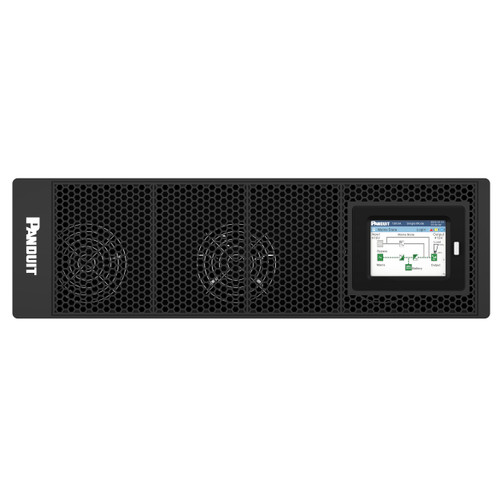
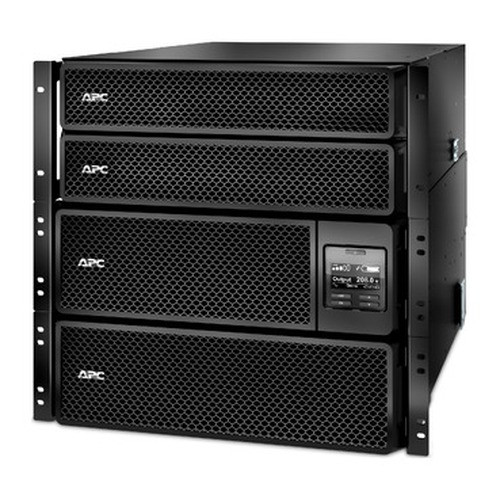
Both the Panduit U10N32V and the APC Smart-UPS SRT10KRMXLT-10KTF are 10 kVA rack-mount UPS units targeting data center and enterprise environments. The comparison covers three decision-critical axes for this product class: power topology and output quality, input flexibility and voltage handling, and management, compliance, and battery serviceability. Key differences emerge immediately in UPS topology—line-interactive versus double-conversion online—which drives distinct trade-offs in efficiency, transfer time, and power conditioning depth that buyers in critical-load environments must weigh carefully.
In This Guide
- Which UPS delivers cleaner, more reliable output power for critical loads?
- Which unit handles the wider input voltage and frequency range, and how do they differ on input conditioning?
- Which UPS offers better management integration, compliance credentials, and field serviceability?
- Which should you choose: the U10N32V or the SRT10KRMXLT-10KTF?
- Side-by-Side Specs
- FAQ
Which UPS delivers cleaner, more reliable output power for critical loads?
The Panduit U10N32V uses a line-interactive topology with AVR (Automatic Voltage Regulation) and produces a pure sine wave output under the SteadySine brand designation. Its transfer time on loss of mains is specified at less than 4 ms. In ECO mode it reaches up to 98% efficiency. Output capacity is 10 kVA / 10 kW, giving a unity power factor of 1.0 as specified.
The APC SRT10KRMXLT-10KTF uses a double-conversion (online) topology, which means the load runs permanently off the inverter with zero transfer time on mains failure—the spec sheet does not list a transfer time because the inverter is always active. Output waveform is sine wave. Output voltage THD is specified at 2%, and the crest factor is listed as 3:1. Output capacity is 10 kVA / 10,000 W, also a unity power factor. The APC unit includes a 208/240 V to 120 V 10 kVA step-down transformer, enabling mixed-voltage rack environments. Surge energy rating is 480 J; audible alarms and Emergency Power Off (EPO) are confirmed present.
For loads that are intolerant of any transfer gap—medical equipment, real-time trading systems, or high-density blade servers—the APC's online double-conversion architecture eliminates transfer-time risk entirely. The Panduit's sub-4 ms transfer is adequate for most IT equipment with internal hold-up capacitors, and its higher stated efficiency (up to 98% in ECO mode) reduces heat and operating cost. The APC spec does not state an efficiency figure.
Which unit handles the wider input voltage and frequency range, and how do they differ on input conditioning?
The Panduit U10N32V accepts an input voltage range of 160–280 V AC with AVR, and input frequency is not specified in the provided data. The AVR corrects voltage sags and surges without switching to battery, which extends battery life in environments with unstable utility power.
The APC SRT10KRMXLT-10KTF accepts input from 100 V to 275 V (minimum to maximum operating voltage) and an input frequency range of 40–70 Hz. The APC's lower minimum input voltage of 100 V versus Panduit's 160 V is a meaningful difference: the APC will remain on utility power through deeper browndowns. The APC also includes the integrated 10 kVA step-down transformer, enabling it to accept 208/240 V input and feed 120 V outlets—a capability not mentioned in the Panduit specification.
Buyers in regions with highly variable utility voltage, or those running mixed 208 V / 120 V rack environments, will find the APC's broader input floor (100 V vs. 160 V) and integrated step-down transformer directly useful. The Panduit specification does not address input frequency range or step-down capability; buyers requiring those features cannot confirm support from the available data.
Which UPS offers better management integration, compliance credentials, and field serviceability?
The Panduit U10N32V lists LCD display, SNMP, Modbus, and web interface management. It carries Energy Star and California Title 20 compliance certifications and specifies hot-swappable battery modules, enabling battery replacement under load without a maintenance window. The Panduit spec also cross-references the Eaton 9PX11KIRTNBP31, APC SRT10KXLI, and Liebert ITA 10 as direct competitors. Warranty is listed as Manufacturer Warranty; specific duration is not stated in the provided spec.
The APC SRT10KRMXLT-10KTF confirms web-based management and audible alarms. SNMP support is not explicitly confirmed in the provided specification data, nor is Modbus. Battery hot-swap capability, energy efficiency rating, Energy Star or Title 20 compliance, and warranty duration are not specified in the provided data. Noise level is specified at 55 dB.
For regulated environments in California or for organizations with Energy Star procurement mandates, only the Panduit provides documented compliance. For data center operators running Modbus-based DCIM or BMS platforms, Panduit's explicit Modbus listing is an advantage. The hot-swappable battery module spec on the Panduit removes the need for scheduled downtime; the APC spec does not confirm this capability. However, APC's web management is confirmed, and APC's broader ecosystem of compatible network management cards is well-established industry knowledge—though that cannot be cited here as it is not in the provided spec data.
Which should you choose: the U10N32V or the SRT10KRMXLT-10KTF?
Our take: The SRT10KRMXLT-10KTF is the stronger choice when zero transfer time, deep browndown tolerance, and a mixed 208/240 V-to-120 V step-down capability are the primary requirements. Its double-conversion online topology eliminates any transfer gap versus the Panduit's stated sub-4 ms, its input floor of 100 V versus the Panduit's 160 V sustains utility-fed operation through severe browndowns, and the integrated step-down transformer serves mixed-voltage rack environments that the Panduit spec does not address. Conversely, the U10N32V is the stronger choice when operational efficiency, compliance documentation, and battery serviceability drive the decision: it specifies up to 98% efficiency in ECO mode (APC efficiency is unspecified), carries explicit Energy Star and California Title 20 listings, supports Modbus alongside SNMP and web management, and confirms hot-swappable battery modules. Buyers in California, those running Modbus-based DCIM, or those optimizing for PUE should favor the Panduit; buyers with true zero-transfer or 120 V step-down requirements should favor the APC.
Side-by-Side Comparison
Spec-for-spec, from manufacturer data.
| Specification | Panduit U10N32V | APC by Schneider Electric SRT10KRMXLT-10KTF |
|---|---|---|
| UPS Topology | Line-Interactive with AVR | Double-Conversion (Online) |
| Output Capacity | 10 kVA / 10 kW | 10 kVA / 10,000 W |
| Output Waveform | Pure Sine Wave (SteadySine) | Sine Wave |
| Transfer Time | <4 ms | 0 ms (inverter always active) |
| Input Voltage Range | 160–280 V AC | 100–275 V |
| Input Frequency Range | — | 40–70 Hz |
| Output Voltage Range | — | 120–240 V |
| Step-Down Transformer | — | 208/240 V to 120 V, 10 kVA (integrated) |
| Efficiency | Up to 98% (ECO Mode) | — |
| Output Voltage THD | — | 2% |
| Surge Energy Rating | — | 480 J |
| Emergency Power Off (EPO) | — | Yes |
| Noise Level | — | 55 dB |
| Management Interfaces | LCD, SNMP, Modbus, Web | Web (SNMP not confirmed in spec) |
| Hot-Swappable Batteries | Yes | — |
| Compliance / Certifications | Energy Star, California Title 20 | — |
Frequently Asked Questions
Which should you choose: the U10N32V or the SRT10KRMXLT-10KTF?
The SRT10KRMXLT-10KTF is the stronger choice when zero transfer time, deep browndown tolerance, and a mixed 208/240 V-to-120 V step-down capability are the primary requirements. Its double-conversion online topology eliminates any transfer gap versus the Panduit's stated sub-4 ms, its input floor of 100 V versus the Panduit's 160 V sustains utility-fed operation through severe browndowns, and the integrated step-down transformer serves mixed-voltage rack environments that the Panduit spec does not address. Conversely, the U10N32V is the stronger choice when operational efficiency, compliance documentation, and battery serviceability drive the decision: it specifies up to 98% efficiency in ECO mode (APC efficiency is unspecified), carries explicit Energy Star and California Title 20 listings, supports Modbus alongside SNMP and web management, and confirms hot-swappable battery modules. Buyers in California, those running Modbus-based DCIM, or those optimizing for PUE should favor the Panduit; buyers with true zero-transfer or 120 V step-down requirements should favor the APC.
Does the Panduit U10N32V or the APC SRT10KRMXLT-10KTF provide better protection against a complete loss of utility power with no interruption to the load?
The APC SRT10KRMXLT-10KTF uses double-conversion online topology, meaning the load runs permanently off the inverter and experiences zero transfer time on utility failure. The Panduit U10N32V is line-interactive with a specified transfer time of less than 4 ms. For loads with no tolerance for any power interruption—such as certain medical or real-time financial systems—the APC's online architecture is the safer choice based on the provided specs.
Which unit is easier to maintain in a live data center without scheduling downtime?
The Panduit U10N32V specification explicitly lists hot-swappable battery modules, allowing battery replacement under load with no downtime. The APC SRT10KRMXLT-10KTF specification does not state whether batteries are hot-swappable. Based solely on the provided specifications, only the Panduit can be confirmed for live battery service.
Can either UPS feed 120 V equipment from a 208 V rack circuit?
Yes, but only the APC SRT10KRMXLT-10KTF includes an integrated 10 kVA 208/240 V to 120 V step-down transformer for this purpose. The Panduit U10N32V specification does not mention a step-down transformer or 120 V output capability; its output voltage range is not detailed in the provided data.
More UPS Comparisons
- APC by Schneider Electric SRTL10KRM4UT-5KTF2 vs Panduit U10N32V
- APC by Schneider Electric SRTL10KRM4UT-5KTF2 vs Panduit U10N11V
- APC by Schneider Electric SRTL10KRM4UT-5KTF2 vs Panduit U10N12V
- APC by Schneider Electric SRTL10KRM4UT-5KTF2 vs Vertiv GXT5-10KHVRT5UXLN
- APC by Schneider Electric SRTL10KRM4UT-5KTF2 vs APC by Schneider Electric E3SUPS10KFBS
- APC by Schneider Electric SRTL10KRM4UT-5KTF2 vs APC by Schneider Electric SRT10KRMXLT-10KTF
UPS Buying Guides
Get a Second Opinion on Your Camera Choice
Share your site layout, coverage goals, and budget. Our team will validate the camera selection, flag anything we would change, and recommend products that match the use case.