
Panduit U01N13V vs Ubiquiti UPS-TOWER-US: Specification Comparison
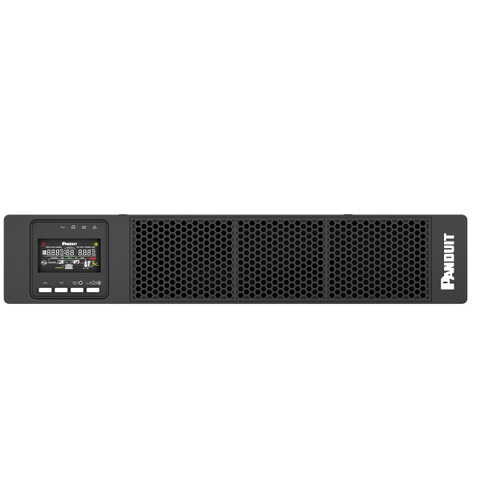
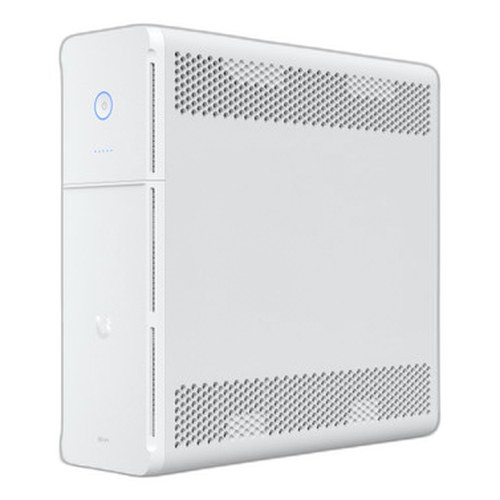
Both the Panduit U01N13V and Ubiquiti UPS-TOWER-US are 1 kVA uninterruptible power supplies, but they target meaningfully different deployment profiles. The Panduit is a 2U rack-mount unit rated for 230V single-phase environments in data centers, edge, and enterprise multi-tenant data centers. The Ubiquiti is a desktop tower unit rated for 120V AC environments, purpose-built for UniFi-managed network infrastructure. A buyer choosing between them is weighing rack-integration and voltage compatibility against managed-Ethernet visibility and tower convenience.
In This Guide
- Does the form factor and voltage rating match my installation environment?
- What runtime, battery, and load capacity can I expect under real operating conditions?
- Which unit offers better remote monitoring, ecosystem integration, and compliance credentials?
- Which should you choose: the U01N13V or the UPS-TOWER-US?
- Side-by-Side Specs
- FAQ
Does the form factor and voltage rating match my installation environment?
The Panduit U01N13V is a 2U rackmount unit measuring 86.5 mm (3.4 in) high and 440 mm (17.3 in) wide, designed for 230V single-phase AC input — consistent with international data center and enterprise rack deployments. Its rated capacity is 1 kVA. The Ubiquiti UPS-TOWER-US is a desktop tower unit measuring 288 × 99 × 280.5 mm (11.3 × 3.9 × 11 in) and weighing 8.17 kg (18 lb). It operates on 120V AC, 50/60 Hz (TN system, 12A max) and delivers 600W / 1000VA output. These two units are not voltage-interchangeable: the Panduit targets 230V regions and rack enclosures; the Ubiquiti targets 120V North American outlets and desktop or open-shelf placement. Buyers must match the UPS input voltage to their facility power standard before any other comparison applies.
The Ubiquiti's IP20 rating and polycarbonate/ABS enclosure are documented. The Panduit's enclosure rating and material are not specified in the provided data. The Ubiquiti specifies a single Power button; no equivalent control interface data is provided for the Panduit.
What runtime, battery, and load capacity can I expect under real operating conditions?
The Ubiquiti UPS-TOWER-US specifies a 1000VA / 600W capacity with a single lead-acid 12V, 9Ah battery. Runtime is described only as 'battery backup for graceful shutdown' — no specific runtime duration at any load level is provided in the specs. Operating mode is line-interactive with a 6–8 hour battery recovery time to 90% charge. The Panduit U01N13V is rated at 1 kVA; however, its watt output, battery type, battery capacity, and runtime figures are not provided in the supplied specification data. Neither product provides a tabulated runtime curve in the given specs, making a direct runtime comparison impossible from the data at hand.
The Ubiquiti's line-interactive topology is explicitly stated, which means it conditions power during sags and surges without switching to battery, extending battery life. The Panduit sub-brand name 'SteadySine™' suggests sine-wave output, but topology (line-interactive, double-conversion, standby) is not explicitly stated in the provided specs. Buyers requiring confirmed pure sine wave or double-conversion should request full datasheets for both units.
Which unit offers better remote monitoring, ecosystem integration, and compliance credentials?
The Ubiquiti UPS-TOWER-US includes a built-in 100/10 Mbps Ethernet port for remote monitoring and control via UniFi software. This makes it a native UniFi ecosystem device — suitable for sites already running UniFi controllers where UPS status, alerts, and graceful shutdown sequencing can be managed centrally. It carries FCC, IC, UL 1778, CSA C22.2 No. 107.3 certifications and is documented as NDAA-compliant, relevant for federal, defense-adjacent, and government-funded deployments.
The Panduit U01N13V lists application targets as Data Center, Edge, and Enterprise MTDC — positioning it for higher-density, managed infrastructure environments. However, no network management interface, SNMP card, USB monitoring port, or software ecosystem is specified in the provided data. Certifications for the Panduit are likewise absent from the supplied specs. Buyers requiring documented compliance credentials or remote management must consult the Panduit datasheet directly. For installers standardized on non-UniFi platforms, the Panduit's management story cannot be evaluated from the available data.
Which should you choose: the U01N13V or the UPS-TOWER-US?
Our take: The UPS-TOWER-US is the stronger choice when the installation is 120V North American, the site runs UniFi infrastructure, and remote management and NDAA compliance documentation are required. The Ubiquiti provides three concrete, documented advantages over what the Panduit's specs disclose: a specified 600W / 1000VA load rating versus no watt figure provided for the U01N13V; a built-in 100/10 Mbps managed Ethernet port versus no management interface specified for the Panduit; and explicit NDAA compliance and UL 1778 / FCC / CSA certifications versus no certifications listed for the Panduit. Conversely, the U01N13V is the appropriate choice for 230V rack environments — the Ubiquiti's 120V input makes it electrically incompatible with international or 230V-only data center feeds. Platform qualifier: the UPS-TOWER-US is tightly coupled to the UniFi ecosystem; sites running third-party NMS or requiring a rack-mount form factor should source the Panduit datasheet before deciding.
Side-by-Side Comparison
Spec-for-spec, from manufacturer data.
| Specification | Panduit U01N13V | Ubiquiti UPS-TOWER-US |
|---|---|---|
| Product Type | UPS (SteadySine™) | UPS (UniFi Managed) |
| Rated Capacity | 1 kVA | 1000VA / 600W |
| Output Watts | — | 600W |
| Input Voltage | 230V AC, Single Phase | 120V AC, 50/60 Hz |
| Form Factor | 2U Rackmount | Desktop Tower |
| Height | 86.5 mm (3.4 in) | 99 mm (3.9 in) |
| Width | 440 mm (17.3 in) | 288 mm (11.3 in) |
| Depth | — | 280.5 mm (11 in) |
| Weight | — | 8.17 kg (18 lb) |
| Battery | — | Lead Acid 12V, 9Ah (×1) |
| Operating Mode | — | Line-interactive |
| Battery Recovery | — | 6–8 hr to 90% |
| Network Management | — | 100/10 Mbps Ethernet |
| IP Rating | — | IP20 |
| NDAA Compliant | — | Yes |
| Certifications | — | UL 1778, FCC, IC, CSA C22.2 No. 107.3 |
Frequently Asked Questions
Which should you choose: the U01N13V or the UPS-TOWER-US?
The UPS-TOWER-US is the stronger choice when the installation is 120V North American, the site runs UniFi infrastructure, and remote management and NDAA compliance documentation are required. The Ubiquiti provides three concrete, documented advantages over what the Panduit's specs disclose: a specified 600W / 1000VA load rating versus no watt figure provided for the U01N13V; a built-in 100/10 Mbps managed Ethernet port versus no management interface specified for the Panduit; and explicit NDAA compliance and UL 1778 / FCC / CSA certifications versus no certifications listed for the Panduit. Conversely, the U01N13V is the appropriate choice for 230V rack environments — the Ubiquiti's 120V input makes it electrically incompatible with international or 230V-only data center feeds. Platform qualifier: the UPS-TOWER-US is tightly coupled to the UniFi ecosystem; sites running third-party NMS or requiring a rack-mount form factor should source the Panduit datasheet before deciding.
Can I use either of these UPS units in a standard North American 120V outlet?
Only the Ubiquiti UPS-TOWER-US is rated for 120V AC (TN system, 12A max, 50/60 Hz) — the spec that matches a standard North American outlet. The Panduit U01N13V is specified for 230V single-phase input. Using the Panduit on a 120V circuit would require step-up conversion; the specs do not indicate it supports dual-voltage operation. Confirm local voltage compatibility before purchasing either unit.
Which unit is better for a UniFi network deployment?
The Ubiquiti UPS-TOWER-US is the purpose-built choice. It includes a 100/10 Mbps Ethernet port for integration with UniFi controller software, enabling remote monitoring, load status, and coordinated graceful shutdowns of connected UniFi devices. The Panduit U01N13V has no network management interface documented in its provided specs and is not associated with the UniFi ecosystem.
Is the Panduit U01N13V suitable for a 2U rack slot in a data center?
Yes — the Panduit U01N13V is explicitly spec'd as a 2U rackmount unit (86.5 mm / 3.4 in height, 440 mm / 17.3 in width) with listed applications of Data Center, Edge, and Enterprise MTDC. The Ubiquiti UPS-TOWER-US is a desktop tower with no rack-mount specification provided, making it unsuitable as a direct rack-slot installation without a separate third-party shelf or rail kit not mentioned in its specs.
More UPS Comparisons
- Ubiquiti UPS-TOWER-US vs Panduit U01N12L
- Ubiquiti UPS-TOWER-US vs Panduit U01S12L
- Ubiquiti UPS-TOWER-US vs Middle Atlantic OL1000R-2
- Ubiquiti UPS-TOWER-US vs Middle Atlantic OL1000R-8
- Panduit U01N12L vs Middle Atlantic OL1000R-2
- Panduit U01N12L vs Middle Atlantic OL1000R-8
UPS Buying Guides
Get a Second Opinion on Your Camera Choice
Share your site layout, coverage goals, and budget. Our team will validate the camera selection, flag anything we would change, and recommend products that match the use case.