
Ubiquiti UPS-TOWER-US vs Panduit U01S12L: Specification Comparison
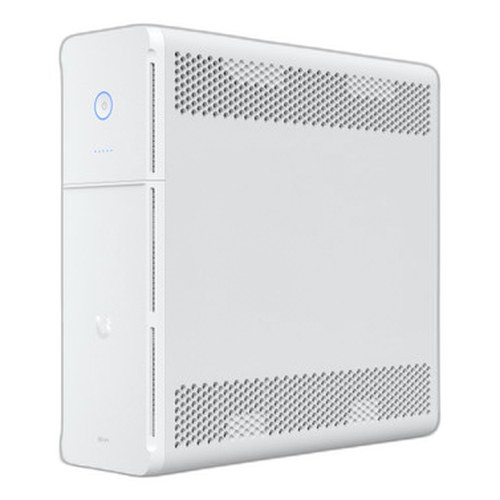
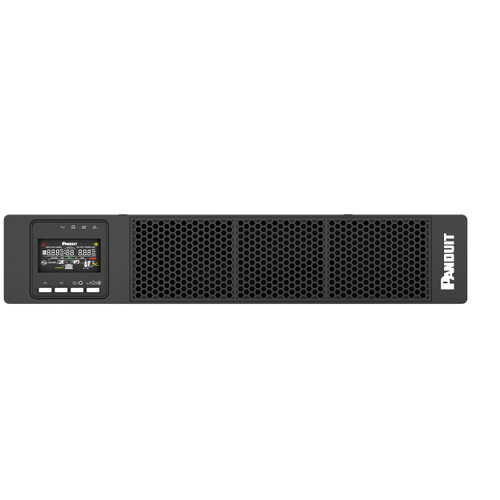
Both the Ubiquiti UPS-TOWER-US and the Panduit U01S12L are 1 kVA uninterruptible power supplies, but they target meaningfully different deployment contexts: the Ubiquiti is a desktop line-interactive unit designed for small UniFi network closets on 120 V AC North American circuits, while the Panduit is a 2U rack-mount double-conversion online UPS built for 230 V AC data-center edge and enterprise rack environments. This comparison evaluates topology and power quality, physical form factor and capacity, and management and integration capabilities across both units.
In This Guide
- Which UPS topology delivers cleaner, more reliable power to connected equipment?
- Do the physical form factor and voltage requirements match the intended installation?
- How does each UPS integrate into existing network management and monitoring workflows?
- Which should you choose: the UPS-TOWER-US or the U01S12L?
- Side-by-Side Specs
- FAQ
Which UPS topology delivers cleaner, more reliable power to connected equipment?
The Panduit U01S12L uses double-conversion online topology, meaning incoming AC is continuously rectified to DC and re-inverted to AC, producing a pure sine wave output with less than 3% total harmonic distortion and a zero-millisecond transfer time to battery. Connected loads receive conditioned power at all times regardless of input anomalies.
The Ubiquiti UPS-TOWER-US is line-interactive. It conditions voltage through an automatic voltage regulator but only switches to battery when the line falls outside the acceptable window. Ubiquiti specifies a battery recovery time of 6–8 hours to 90% and describes runtime as sufficient for 'graceful shutdown'; no output THD figure or transfer time in milliseconds is published in the provided specs.
For sensitive equipment — servers, storage, or precision surveillance NVRs — the Panduit's online topology eliminates transfer gaps and delivers quantifiably cleaner power. The Ubiquiti's line-interactive design is adequate for network switches and small appliances that tolerate brief transfer windows, but no transfer-time spec is provided to confirm the gap.
Do the physical form factor and voltage requirements match the intended installation?
The Ubiquiti UPS-TOWER-US is a desktop unit measuring 288 × 99 × 280.5 mm and weighing 8.17 kg. It runs on 120 V AC / 50–60 Hz (North American standard) and delivers 600 W / 1000 VA output through a lead-acid 12 V 9 Ah battery. Its five NEMA 5-15R outlets (two battery-backed, three surge-only) are specified in the card bullets; the enclosure is rated IP20 and is constructed from a polycarbonate/ABS blend.
The Panduit U01S12L occupies 2U of rack space at 440 mm wide × 86.5 mm tall (depth listed as TBD in the provided specs). It requires 230 V AC single-phase input — incompatible with North American 120 V circuits without a step-up transformer — and delivers 900 W / 1 kVA. Its lithium-ion battery carries a 10-year typical service life versus the lead-acid chemistry of the Ubiquiti. Output connector type and quantity are not specified in the provided data.
The voltage mismatch is a hard deployment constraint: the Panduit U01S12L cannot be connected to a standard 120 V North American outlet. Rack-mount buyers with 230 V infrastructure gain 300 W more usable output (900 W vs 600 W) and the lithium-ion battery's longevity advantage. The Ubiquiti's desktop form factor suits wall-shelf or desk deployments where rack space is unavailable.
How does each UPS integrate into existing network management and monitoring workflows?
The Ubiquiti UPS-TOWER-US includes a built-in 100/10 Mbps Ethernet port and integrates natively with UniFi Network software, enabling remote monitoring, alerting, and graceful-shutdown orchestration within the UniFi ecosystem. NDAA compliance is certified, and the unit carries UL 1778, FCC, IC, and CSA C22.2 No. 107.3 certifications.
The Panduit U01S12L provides USB management as standard, with SNMP available via an optional network card (not included by default per the specs). It operates on the Panduit SmartZone SteadySine™ platform. Standards compliance includes IEC 62040-1, IEC 62040-2, CE, and UN 38.3 (lithium transport). NDAA compliance is not stated in the provided specifications.
For UniFi-centric deployments, the Ubiquiti's native Ethernet port and tight software integration are a direct advantage requiring no add-on card. The Panduit's SNMP path is more broadly compatible with enterprise NMS platforms (e.g., DCIM, Nagios, PRTG) but requires the optional card purchase; without it, management is limited to USB-local. Neither unit's spec sheet discloses the specific SNMP MIB or shutdown agent software.
Which should you choose: the UPS-TOWER-US or the U01S12L?
Our take: The UPS-TOWER-US is the stronger choice when deploying a UniFi-managed network stack on a 120 V AC North American circuit where desktop placement is acceptable and integrated software management matters more than rack-mount topology. Key spec deltas: the Panduit U01S12L delivers 300 W more usable output (900 W vs. 600 W) and a zero-millisecond transfer time via double-conversion online topology compared to the Ubiquiti's line-interactive design with an unspecified transfer gap; the U01S12L's lithium-ion battery carries a 10-year typical service life against the UPS-TOWER-US's lead-acid 12 V 9 Ah cell, which has no service-life figure published. However, the U01S12L requires 230 V AC input, making it electrically incompatible with standard North American circuits. Buyers deploying 230 V rack environments in data-center edge or enterprise MTDC contexts should select the U01S12L; buyers equipping North American UniFi network closets should select the UPS-TOWER-US.
Side-by-Side Comparison
Spec-for-spec, from manufacturer data.
| Specification | Ubiquiti UPS-TOWER-US | Panduit U01S12L |
|---|---|---|
| UPS Topology | Line-Interactive | Double-Conversion Online |
| Capacity | 1000 VA / 600 W | 1000 VA / 900 W |
| Input Voltage | 120 V AC, 50/60 Hz | 230 V AC, Single Phase, 50/60 Hz |
| Output Voltage | 120 V AC | 230 V AC, 50/60 Hz |
| Transfer Time to Battery | Not specified | Zero (continuous online) |
| Output Waveform | Not specified | Pure Sine Wave |
| Output THD | Not specified | <3% (typical) |
| Battery Type | Lead-Acid 12 V, 9 Ah | Lithium-Ion |
| Battery Service Life | Not specified | 10 years (typical) |
| Form Factor | Desktop | 2U Rack-Mount |
| Dimensions (W × H × D) | 288 × 99 × 280.5 mm | 440 × 86.5 mm × TBD |
| Weight | 8.17 kg (18 lb) | Not specified |
| Management Interface | 100/10 Mbps Ethernet (built-in) | USB standard; SNMP optional card |
| Software Platform | UniFi Network | Panduit SmartZone SteadySine™ |
| NDAA Compliant | Yes | Not specified |
| Certifications | UL 1778, FCC, IC, CSA C22.2 No. 107.3, NDAA | IEC 62040-1, IEC 62040-2, CE, UN 38.3 |
Frequently Asked Questions
Which should you choose: the UPS-TOWER-US or the U01S12L?
The UPS-TOWER-US is the stronger choice when deploying a UniFi-managed network stack on a 120 V AC North American circuit where desktop placement is acceptable and integrated software management matters more than rack-mount topology. Key spec deltas: the Panduit U01S12L delivers 300 W more usable output (900 W vs. 600 W) and a zero-millisecond transfer time via double-conversion online topology compared to the Ubiquiti's line-interactive design with an unspecified transfer gap; the U01S12L's lithium-ion battery carries a 10-year typical service life against the UPS-TOWER-US's lead-acid 12 V 9 Ah cell, which has no service-life figure published. However, the U01S12L requires 230 V AC input, making it electrically incompatible with standard North American circuits. Buyers deploying 230 V rack environments in data-center edge or enterprise MTDC contexts should select the U01S12L; buyers equipping North American UniFi network closets should select the UPS-TOWER-US.
Can I use the Panduit U01S12L in the United States on a standard wall outlet?
No. The U01S12L requires 230 V AC single-phase input per its published specifications. Standard North American wall outlets supply 120 V AC. Using it on a 120 V circuit without a rated step-up transformer is outside the specified input range. The Ubiquiti UPS-TOWER-US is rated for 120 V AC and is the appropriate choice for North American 120 V installations.
Which UPS offers better protection for sensitive network or server equipment?
The Panduit U01S12L uses double-conversion online topology with a zero-millisecond transfer time and less than 3% output THD, meaning connected equipment always runs on clean, re-generated AC power. The Ubiquiti UPS-TOWER-US is line-interactive; it corrects voltage sags without switching to battery but does incur a transfer delay (duration not specified in the provided specs) when a full battery event occurs. For servers, storage arrays, or precision recording appliances, the Panduit's online topology provides a higher level of power conditioning.
Which unit has a longer expected battery life and lower maintenance burden?
The Panduit U01S12L specifies a lithium-ion battery with a 10-year typical service life. The Ubiquiti UPS-TOWER-US uses a lead-acid 12 V 9 Ah battery; no replacement interval or service-life figure is published in the provided specifications. Based on available data, the Panduit's lithium-ion chemistry offers a substantially longer stated battery life, which reduces planned maintenance cycles in rack environments where battery swaps are disruptive.
More UPS Comparisons
- Ubiquiti UPS-TOWER-US vs Panduit U01N12L
- Ubiquiti UPS-TOWER-US vs Middle Atlantic OL1000R-2
- Ubiquiti UPS-TOWER-US vs Middle Atlantic OL1000R-8
- Panduit U01N12L vs Middle Atlantic OL1000R-2
- Panduit U01N12L vs Middle Atlantic OL1000R-8
- Panduit U01N12L vs Panduit U01S12L
UPS Buying Guides
Get a Second Opinion on Your Camera Choice
Share your site layout, coverage goals, and budget. Our team will validate the camera selection, flag anything we would change, and recommend products that match the use case.