
Epson C31CJ99A9981 vs Epson C31CJ57012: Specification Comparison
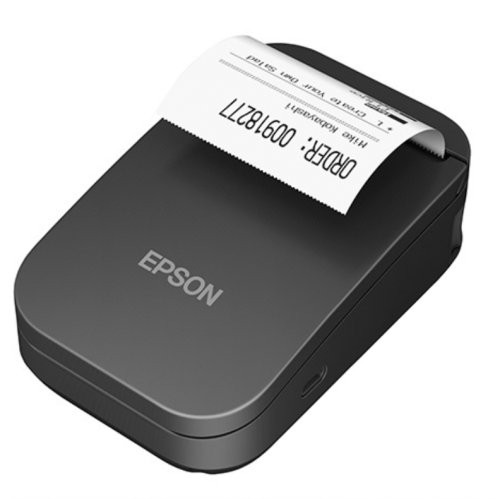
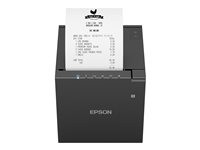
Both the Epson C31CJ99A9981 (P20II) and the Epson C31CJ57012 are thermal receipt printers targeting point-of-sale and high-volume transaction environments. The P20II is a 2-inch mobile/wireless model designed for portable or cradle-mounted deployments, while the C31CJ57012 is a countertop/under-counter unit with wired-primary connectivity. Buyers evaluating these two are choosing between a compact wireless receipt printer and a fixed-station direct thermal receipt printer — different form factors within the same receipt-printing product class.
In This Guide
- Which printer offers the right connectivity for your POS infrastructure?
- How do form factor, paper width, and media handling differ between these two printers?
- What do the specs say about printer durability, reliability ratings, and warranty coverage?
- Which should you choose: the C31CJ99A9981 or the C31CJ57012?
- Side-by-Side Specs
- FAQ
Which printer offers the right connectivity for your POS infrastructure?
The C31CJ99A9981 (P20II) leads on wireless flexibility, listing Wi-Fi, USB, Ethernet, Serial, and Parallel interfaces per spec. The inclusion of native Wi-Fi makes it deployable in mobile POS, tableside service, or wireless retail environments without additional adapters. Its cradle form factor supports both stationary and roaming use cases.
The C31CJ57012 lists Serial, Ethernet, and USB as its primary connectivity. Wireless LAN is noted in spec data only as an optional add-on (OT-WL06 adapter), meaning Wi-Fi is not built in. Bluetooth Low Energy is referenced in the spec data, though the context appears to be from a table of contents or manual index rather than a confirmed standalone feature. Buyers requiring native wireless should note this distinction. The C31CJ57012 is better suited to fixed, wired POS lanes where Ethernet or USB connections are already in place.
How do form factor, paper width, and media handling differ between these two printers?
The C31CJ99A9981 specifies a 2-inch (approximately 58 mm) paper width and a matching 2-inch print width. It includes an integrated cutter per spec, and its physical dimensions are 3.1 inches wide by 4.7 inches deep by 1.8 inches tall — an unusually compact footprint consistent with a mobile or cradle-mount design. The cradle form factor is confirmed in the spec data.
The C31CJ57012 does not specify paper width or print width in the provided spec data. Its form factor is described as compact countertop or under-counter, indicating a stationary installation profile. Print resolution is specified at 180 dpi monochrome, a value absent from the C31CJ99A9981 spec. Whether the C31CJ57012 includes an auto-cutter is not stated in the provided specs. Buyers needing a specific paper roll width should verify C31CJ57012 media compatibility independently, as this spec is not available here.
What do the specs say about printer durability, reliability ratings, and warranty coverage?
The C31CJ99A9981 spec cites a printer reliability rating of 10 million printing lines, a concrete durability metric relevant to high-volume retail and hospitality deployments. It carries a standard 1-year limited warranty with optional extended service plans available per spec.
The C31CJ57012 carries a 1-year warranty per spec. No print-head or mechanism reliability rating (such as lines or cuts) is provided in the available spec data. Both printers share the same warranty baseline. The C31CJ57012 spec references RoHS compliance indirectly through its print technology description (direct thermal, no ribbon required), though explicit RoHS compliance is stated in the C31CJ99A9981 spec. Buyers prioritizing a documented MTBF or duty-cycle figure will find more information in the C31CJ99A9981 spec set as provided.
Which should you choose: the C31CJ99A9981 or the C31CJ57012?
Our take: The C31CJ99A9981 is the stronger choice when native wireless connectivity, mobile or cradle-mounted deployment, and a documented reliability rating are priorities. It specifies built-in Wi-Fi alongside USB, Ethernet, Serial, and Parallel interfaces, while the C31CJ57012 requires an optional OT-WL06 adapter for wireless LAN. The P20II also carries a stated 10-million-line print-head reliability rating not present in the C31CJ57012 spec data, and its 3.1 × 4.7 × 1.8-inch footprint is purpose-built for compact or mobile form factors. Both printers match at 500 mm/s print speed and 1-year warranty. The C31CJ57012 is the appropriate selection for fixed, wired POS lanes where a countertop or under-counter profile is needed and 180 dpi resolution confirmation matters — a spec the C31CJ99A9981 does not provide. Platform fit depends on whether the deployment is mobile or stationary.
Side-by-Side Comparison
Spec-for-spec, from manufacturer data.
| Specification | Epson C31CJ99A9981 | Epson C31CJ57012 |
|---|---|---|
| Product Type | Receipt Printer | Receipt Printer |
| Print Method | Thermal line printing | Direct Thermal (no ribbon) |
| Print Speed | 500 mm/s | 500 mm/s (20 in/sec) |
| Print Resolution | — | 180 dpi monochrome |
| Paper Width | 2 inches | — |
| Print Width | 2 inches | — |
| Form Factor | Cradle (mobile/stationary) | Compact countertop/under-counter |
| Built-in Wi-Fi | Yes | No (optional OT-WL06 adapter) |
| USB Interface | Yes | Yes |
| Ethernet Interface | Yes | Yes |
| Serial Interface | Yes | Yes |
| Parallel Interface | Yes | — |
| Auto Cutter | Yes | — |
| Reliability Rating | 10 million printing lines | — |
| Warranty | 1-year limited (extended optional) | 1-year |
| Dimensions | 3.1" x 4.7" x 1.8" | — |
Frequently Asked Questions
Which should you choose: the C31CJ99A9981 or the C31CJ57012?
The C31CJ99A9981 is the stronger choice when native wireless connectivity, mobile or cradle-mounted deployment, and a documented reliability rating are priorities. It specifies built-in Wi-Fi alongside USB, Ethernet, Serial, and Parallel interfaces, while the C31CJ57012 requires an optional OT-WL06 adapter for wireless LAN. The P20II also carries a stated 10-million-line print-head reliability rating not present in the C31CJ57012 spec data, and its 3.1 × 4.7 × 1.8-inch footprint is purpose-built for compact or mobile form factors. Both printers match at 500 mm/s print speed and 1-year warranty. The C31CJ57012 is the appropriate selection for fixed, wired POS lanes where a countertop or under-counter profile is needed and 180 dpi resolution confirmation matters — a spec the C31CJ99A9981 does not provide. Platform fit depends on whether the deployment is mobile or stationary.
Is the C31CJ99A9981 or C31CJ57012 better for a wireless tableside or mobile POS setup?
The C31CJ99A9981 is the specified choice for wireless deployments. It includes native Wi-Fi as a built-in interface per spec, along with a cradle form factor that supports both mobile and stationary use. The C31CJ57012 does not include built-in Wi-Fi; wireless LAN requires the optional OT-WL06 adapter per the provided spec data.
Do both printers print at the same speed?
Yes. Both the C31CJ99A9981 and the C31CJ57012 are specified at 500 mm/s print speed. The C31CJ57012 spec also expresses this as 20 inches per second. Neither printer holds an advantage on throughput based on the provided specifications.
Which printer has a longer documented service life?
The C31CJ99A9981 spec cites a printer reliability rating of 10 million printing lines. The C31CJ57012 spec does not include an equivalent reliability or duty-cycle figure in the data provided. Buyers requiring a documented mechanism life rating will find that information only in the C31CJ99A9981 spec as supplied.
More Label Printer Comparisons
- Epson C31CK00A9991 vs Brother RJ4230B
- Epson C31CK00A9991 vs Star Micronics TSP1043D
- Epson C31CK00A9991 vs Epson C31CJ99A9981
- Epson C31CK00A9991 vs Epson C31CJ57012
- Epson C31CJ99A9981 vs Brother RJ4230B
- Epson C31CJ99A9981 vs Star Micronics TSP1043D
Label Printer Buying Guides
Get a Second Opinion on Your Camera Choice
Share your site layout, coverage goals, and budget. Our team will validate the camera selection, flag anything we would change, and recommend products that match the use case.