
CyberPower PR2000RTXL2UCN vs Panduit U02S12V: Specification Comparison
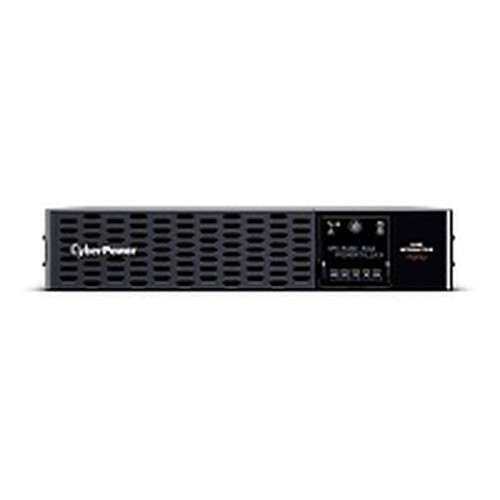
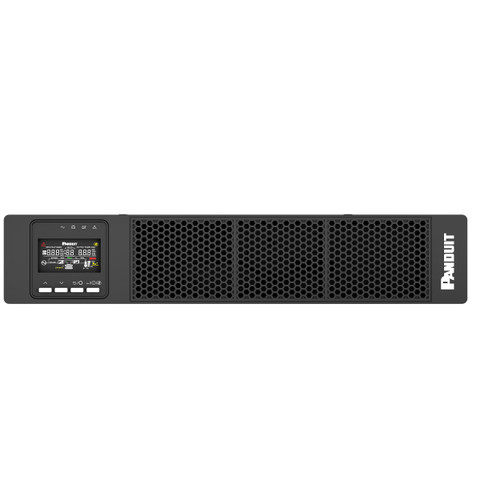
Both the CyberPower PR2000RTXL2UCN and the Panduit U02S12V are 2000VA rack-mount uninterruptible power supplies designed to protect IT loads from power disturbances. Each delivers a pure/sine waveform output and fits a standard 19-inch rack enclosure at 2U. The comparison spans output power conditioning, transfer performance, and the depth of published electrical specifications — three dimensions that matter most to installers and IT buyers evaluating a UPS for server rooms, edge deployments, or small data centers.
In This Guide
- How does each unit condition and regulate output power under normal and abnormal grid conditions?
- Which unit switches to battery faster, and what protection features are confirmed by specification?
- What do the specs reveal about remote management, monitoring, and deployment ecosystem support?
- Which should you choose: the PR2000RTXL2UCN or the U02S12V?
- Side-by-Side Specs
- FAQ
How does each unit condition and regulate output power under normal and abnormal grid conditions?
The CyberPower PR2000RTXL2UCN is a Line-Interactive UPS delivering a true sine wave at up to 2000 W with a unity power factor (1.0), meaning its 2000VA capacity is fully convertible to 2000 W of usable load — no derating. It operates across an extremely wide input voltage window of 75–149 V before switching to battery, with EMI/RFI noise filtering confirmed in specs. Surge energy absorption is rated at 2430 J. Input frequency tolerance spans 47–63 Hz.
The Panduit U02S12V is listed under its SteadySine™ sub-brand and advertises automatic AVR (Automatic Voltage Regulation) and a pure sine wave output with less than 3% THD. Output frequency is regulated to 60 Hz ± 0.1 Hz — a tighter tolerance than the CyberPower spec discloses. Panduit's UPS topology (online double-conversion vs. line-interactive) is not stated in the provided specs. Neither output wattage, power factor, nor surge energy rating is provided for the U02S12V, limiting side-by-side conditioning comparisons.
Which unit switches to battery faster, and what protection features are confirmed by specification?
Transfer time — the gap during which load is momentarily unsupported when grid power fails — is a critical spec for sensitive electronics. The Panduit U02S12V specifies a transfer time of less than 4 ms. The CyberPower PR2000RTXL2UCN specifies a response time of 6 ms. On this single published figure, the Panduit switches to battery 33% faster, which may matter for loads that cannot tolerate any voltage sag.
The CyberPower PR2000RTXL2UCN additionally documents surge protection (2430 J rating), audible alarms, and EMI/RFI filtering — all confirmed in specs. The U02S12V lists standards compliance to UL 1778 and cUL. Surge energy rating, audible alarms, and EMI/RFI filtering are not stated for the Panduit. Input voltage operating range, maximum input current, and heat dissipation are likewise absent from Panduit's spec set, making it impossible to verify input compatibility or thermal planning figures for the U02S12V.
What do the specs reveal about remote management, monitoring, and deployment ecosystem support?
The CyberPower PR2000RTXL2UCN's SKU suffix 'RMCARD205 Cloud' signals that an RMCARD205 network management card is included, enabling cloud-based remote monitoring. The model name encodes this integration directly. CyberPower's PowerPanel Business platform is the expected management ecosystem, though this is inferred from the card model, not an explicit spec field provided.
The Panduit U02S12V spec sheet references a datasheet at /content/product-datasheets/U02S12V.pdf but the provided specs contain no mention of a network management card, SNMP capability, remote monitoring interface, or compatible software platform. Whether these features exist on the U02S12V or require a separately purchased accessory cannot be determined from the provided data. For buyers where remote monitoring and cloud alerting are mandatory requirements, the CyberPower unit provides a documented, bundled path; Panduit's monitoring story is unconfirmed from the data provided.
Which should you choose: the PR2000RTXL2UCN or the U02S12V?
Our take: The PR2000RTXL2UCN is the stronger choice when confirmed wattage capacity, wide input voltage tolerance, surge protection rating, and bundled remote management are the primary purchase criteria. Its unity power factor delivers the full 2000 W — a figure absent from Panduit's specs — and its 75–149 V input window is extraordinarily wide, reducing battery cycling in poor-grid environments. Its bundled RMCARD205 Cloud card adds remote monitoring without an accessory purchase. The U02S12V holds a meaningful edge on transfer time: less than 4 ms versus 6 ms, and its less-than-3% THD output and ±0.1 Hz frequency regulation suggest a tighter output quality envelope that may suit sensitive lab or telecom loads. However, the Panduit spec set leaves output wattage, power factor, surge rating, input range, and management options unstated, making a complete side-by-side evaluation impossible. Buyers requiring full specification transparency before procurement will find the CyberPower data set significantly more complete.
Side-by-Side Comparison
Spec-for-spec, from manufacturer data.
| Specification | CyberPower PR2000RTXL2UCN | Panduit U02S12V |
|---|---|---|
| UPS Capacity (VA) | 2000 VA | 2000 VA |
| Output Power (W) | 2000 W | — |
| Power Factor | 1.0 | — |
| UPS Topology | Line-Interactive | — |
| Output Waveform | Sine Wave | Pure Sine Wave |
| Total Harmonic Distortion | — | <3% THD |
| Transfer / Response Time | 6 ms | <4 ms |
| Input Voltage Range | 75–149 V | — |
| Input Frequency Range | 47–63 Hz | — |
| Output Voltage (max) | 120 V | — |
| Output Frequency Regulation | 50/60 Hz | 60 Hz ± 0.1 Hz |
| Voltage Regulation | — | Automatic AVR |
| Surge Energy Rating | 2430 J | — |
| EMI/RFI Filtering | Yes | — |
| Audible Alarm | Yes | — |
| Network Management | RMCARD205 Cloud (included) | — |
| Form Factor | 2U Rack | 2U Rack |
| Width | — | 17.3 in (440 mm) |
| Height | — | 3.4 in (86.5 mm) |
| Heat Dissipation | 130 BTU/h | — |
| Noise Level | 57.5 dB | — |
| Standards Compliance | — | UL 1778, cUL |
Frequently Asked Questions
Which should you choose: the PR2000RTXL2UCN or the U02S12V?
The PR2000RTXL2UCN is the stronger choice when confirmed wattage capacity, wide input voltage tolerance, surge protection rating, and bundled remote management are the primary purchase criteria. Its unity power factor delivers the full 2000 W — a figure absent from Panduit's specs — and its 75–149 V input window is extraordinarily wide, reducing battery cycling in poor-grid environments. Its bundled RMCARD205 Cloud card adds remote monitoring without an accessory purchase. The U02S12V holds a meaningful edge on transfer time: less than 4 ms versus 6 ms, and its less-than-3% THD output and ±0.1 Hz frequency regulation suggest a tighter output quality envelope that may suit sensitive lab or telecom loads. However, the Panduit spec set leaves output wattage, power factor, surge rating, input range, and management options unstated, making a complete side-by-side evaluation impossible. Buyers requiring full specification transparency before procurement will find the CyberPower data set significantly more complete.
Which unit is better suited for a dense server rack with high-efficiency power supplies?
The CyberPower PR2000RTXL2UCN specifies a unity power factor (1.0), confirming full 2000 W output from its 2000VA rating — directly relevant when sizing for high-efficiency 80 Plus Platinum or Titanium server PSUs that draw close to rated watts. The Panduit U02S12V does not disclose its output wattage or power factor in the provided specs, so its usable watt capacity cannot be confirmed from available data.
Does either UPS include built-in network management, or do I need to buy a card separately?
The CyberPower PR2000RTXL2UCN includes an RMCARD205 Cloud network management card as indicated in the product name and SKU. The Panduit U02S12V's provided specifications make no mention of a bundled or optional management card, SNMP support, or remote monitoring interface — this would need to be confirmed with Panduit's documentation before purchase.
Which UPS transfers to battery faster during an outage — the PR2000RTXL2UCN or the U02S12V?
Based on the provided specifications, the Panduit U02S12V transfers faster: its spec states less than 4 ms. The CyberPower PR2000RTXL2UCN lists a response time of 6 ms. A sub-4 ms transfer is generally considered safe for virtually all server and network equipment, and 6 ms is also within tolerance for most loads, but the Panduit holds the faster figure by this single published spec.
More UPS Comparisons
- APC by Schneider Electric SMX2000LV vs CyberPower PR2000RTXL2UC
- APC by Schneider Electric SMX2000LV vs CyberPower CP2000PFCRM2U
- APC by Schneider Electric SMX2000LV vs CyberPower PR2000RT2UCN
- APC by Schneider Electric SMX2000LV vs Middle Atlantic UPX-EXPANRUN-OL20
- APC by Schneider Electric SMX2000LV vs APC by Schneider Electric SMX2000LVNCUS
- APC by Schneider Electric SMX2000LV vs APC by Schneider Electric SMX2000RMLV2U
UPS Buying Guides
Get a Second Opinion on Your Camera Choice
Share your site layout, coverage goals, and budget. Our team will validate the camera selection, flag anything we would change, and recommend products that match the use case.