
CyberPower OL6KRTHD vs APC by Schneider Electric SYH6K6RMI: Specification Comparison
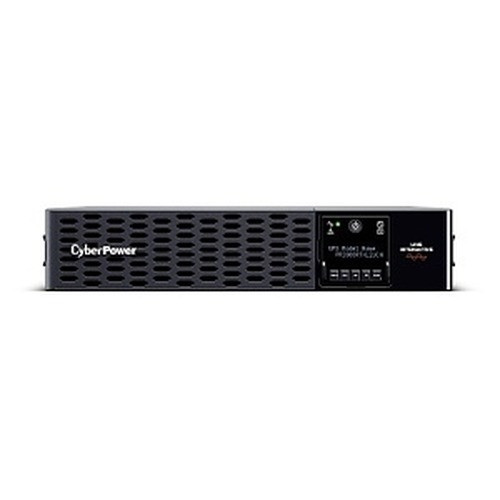
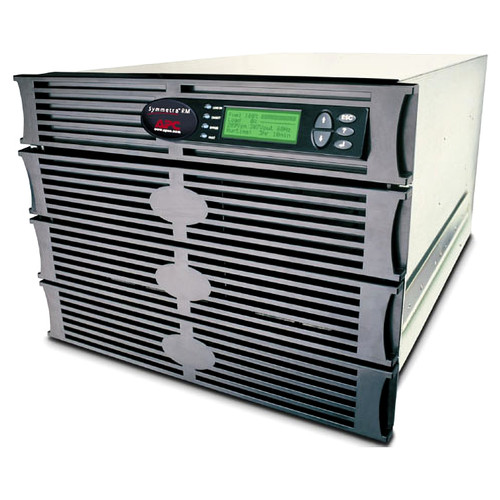
Both the CyberPower OL6KRTHD and the APC Symmetra RM SYH6K6RMI are rack-mounted, online double-conversion UPS units rated at 6 kVA, targeting data centers and critical infrastructure. The comparison covers true power output and power factor, input/output electrical characteristics and flexibility, and environmental/management capabilities. Buyers evaluating 6 kVA online UPS solutions for server rooms or network closets will find meaningful differences in usable watt capacity, power factor, and available specification depth between these two units.
In This Guide
- How much real power (watts) does each unit actually deliver, and how does power factor affect usable capacity?
- How flexible are the input voltage range, output voltage options, and outlet configurations of each unit?
- What management interfaces, environmental operating range, and runtime data are available for each unit?
- Which should you choose: the OL6KRTHD or the SYH6K6RMI?
- Side-by-Side Specs
- FAQ
How much real power (watts) does each unit actually deliver, and how does power factor affect usable capacity?
The CyberPower OL6KRTHD is rated at 6,000 W with a true power factor of 1.0, meaning the full 6 kVA translates directly to 6,000 W of usable real power. Its output power factor is specified at 1.0 and the input power factor is 0.99, indicating near-unity draw from the utility feed. The crest factor is 3:1 and output voltage THD is held to ≤5%, both relevant for sensitive electronics.
The APC SYH6K6RMI is also rated 6 kVA but delivers only 4,200 W of real power, implying an effective power factor of approximately 0.70. This 1,800 W gap is significant: a rack that draws 5,500 W would be within the OL6KRTHD's capacity but would exceed the SYH6K6RMI's real-watt ceiling. APC's specs do not list an explicit output power factor, input power factor, crest factor, or output THD percentage for this model.
How flexible are the input voltage range, output voltage options, and outlet configurations of each unit?
The OL6KRTHD accepts input voltages from 120 V to 280 V across a frequency window of 40–70 Hz, providing broad tolerance for sites with variable utility quality. Its output can be configured from 120 V to 240 V at 50 or 60 Hz. However, the spec sheet does not list specific output outlet types or outlet counts for this model.
The SYH6K6RMI specifies its output connections explicitly: eight IEC 320 C13 receptacles and two IEC 320 C19 receptacles — ten outlets total, using IEC 60320 standards. Input is via hard-wire 3-wire connection. The SYH6K6RMI also includes an Emergency Power Off (EPO) function. Input voltage range, input frequency tolerance, and output voltage range are not provided in the available specifications for this model.
What management interfaces, environmental operating range, and runtime data are available for each unit?
The OL6KRTHD includes an RMCARD slot (indicated in the product name) for optional network management card installation, plus EMI/RFI noise filtering and surge protection are confirmed. Its noise level is rated at 65 dB. Operating temperature range, humidity ratings, and battery runtime figures are not provided in the available specifications for this model.
The SYH6K6RMI provides built-in management via a DB-9 RS-232 serial port and an RJ-45 10Base-T Ethernet port supporting web, SNMP, and Telnet management — no additional card required. Runtime is specified at 12.7 minutes at full load and 30.3 minutes at half load. Operating temperature is 0–40 °C, storage is −15 to 45 °C, and humidity tolerance is 0–95% (non-condensing) for both operating and storage. The replacement battery is identified as APC SYBT2. Physical dimensions are 482.6 × 730.3 × 355.6 mm.
Which should you choose: the OL6KRTHD or the SYH6K6RMI?
Our take: The OL6KRTHD is the stronger choice when maximum real-power delivery per kVA rating is the primary criterion. Its unity power factor (1.0) yields the full 6,000 W of usable capacity, versus the SYH6K6RMI's 4,200 W — a 1,800 W deficit that materially limits how much load the APC unit can serve in a dense rack environment. The OL6KRTHD also accepts a wider input voltage window (120–280 V vs. not specified for the APC) and holds output THD to ≤5%. Conversely, the SYH6K6RMI ships with built-in Ethernet/SNMP/Telnet management without an add-on card, provides rated runtime figures (12.7 min full load, 30.3 min half load), specifies ten IEC outlets, and documents its full environmental operating range — data absent from the OL6KRTHD spec sheet. Buyers prioritizing maximum watt output in a 6 kVA chassis should favor the OL6KRTHD; those requiring out-of-box network management and documented runtime in an APC Symmetra ecosystem should consider the SYH6K6RMI.
Side-by-Side Comparison
Spec-for-spec, from manufacturer data.
| Specification | CyberPower OL6KRTHD | APC by Schneider Electric SYH6K6RMI |
|---|---|---|
| UPS Topology | Double-conversion (Online) | — |
| Output Power Capacity | 6 kVA | 6 kVA |
| Real Power Output (Watts) | 6,000 W | 4,200 W |
| Output Power Factor | 1.0 | — |
| Input Power Factor | 0.99 | — |
| Input Voltage Range | 120–280 V | — |
| Input Frequency | 40–70 Hz | — |
| Output Voltage Range | 120–240 V | — |
| Output Frequency | 50/60 Hz | — |
| Output Voltage THD | ≤5% | — |
| Crest Factor | 3:1 | — |
| EMI/RFI Filtering | Yes | — |
| Surge Protection | Yes | — |
| Noise Level | 65 dB | — |
| Output Outlets | — | (8) IEC 320 C13 + (2) IEC 320 C19 |
| Input Connection | — | Hard Wire 3-wire |
| Emergency Power Off (EPO) | — | Yes |
| Management Interface | RMCARD slot (card sold separately) | DB-9 RS-232 + RJ-45 10Base-T (built-in) |
| Runtime at Full Load | — | 12.7 min |
| Runtime at Half Load | — | 30.3 min |
| Replacement Battery | — | APC SYBT2 |
| Operating Temperature | — | 0–40 °C |
| Storage Temperature | — | -15–45 °C |
| Operating Humidity | — | 0–95% |
| Dimensions (W×D×H mm) | — | 482.6 × 730.3 × 355.6 |
Frequently Asked Questions
Which should you choose: the OL6KRTHD or the SYH6K6RMI?
The OL6KRTHD is the stronger choice when maximum real-power delivery per kVA rating is the primary criterion. Its unity power factor (1.0) yields the full 6,000 W of usable capacity, versus the SYH6K6RMI's 4,200 W — a 1,800 W deficit that materially limits how much load the APC unit can serve in a dense rack environment. The OL6KRTHD also accepts a wider input voltage window (120–280 V vs. not specified for the APC) and holds output THD to ≤5%. Conversely, the SYH6K6RMI ships with built-in Ethernet/SNMP/Telnet management without an add-on card, provides rated runtime figures (12.7 min full load, 30.3 min half load), specifies ten IEC outlets, and documents its full environmental operating range — data absent from the OL6KRTHD spec sheet. Buyers prioritizing maximum watt output in a 6 kVA chassis should favor the OL6KRTHD; those requiring out-of-box network management and documented runtime in an APC Symmetra ecosystem should consider the SYH6K6RMI.
Which unit supports more connected load — the OL6KRTHD or the SYH6K6RMI?
The OL6KRTHD supports significantly more real load: its unity power factor (1.0) means all 6 kVA converts to 6,000 W. The SYH6K6RMI delivers only 4,200 W from the same 6 kVA rating, limiting usable capacity by 1,800 W. For dense server or storage racks with high real-watt draw, the OL6KRTHD has a clear advantage based on the available specs.
Does either UPS include built-in network management without buying an extra card?
Yes — the APC SYH6K6RMI includes a built-in RJ-45 10Base-T Ethernet port for web, SNMP, and Telnet management, plus a DB-9 RS-232 port, at no additional cost. The CyberPower OL6KRTHD is designed for an RMCARD management card (indicated in the product name and SKU), but the card itself is not included per the provided specifications; network management on the OL6KRTHD requires a separately purchased RMCARD accessory.
What runtime can I expect from each unit during a power outage?
Runtime figures are provided only for the SYH6K6RMI: 12.7 minutes at full load and 30.3 minutes at half load, with APC SYBT2 as the specified replacement battery. The CyberPower OL6KRTHD's spec sheet does not include runtime data at any load level, so a direct runtime comparison cannot be made from the available specifications. Buyers requiring a guaranteed runtime figure should contact CyberPower directly or consult the full datasheet.
More UPS Comparisons
- APC by Schneider Electric SYH6K6RMT vs CyberPower OL6KRTHW
- APC by Schneider Electric SYH6K6RMT vs CyberPower OL6KRTHD
- APC by Schneider Electric SYH6K6RMT vs Vertiv GXT5-6000MVRT4UXLN
- APC by Schneider Electric SYH6K6RMT vs Vertiv GXT5-6KL630RT5UXLN
- APC by Schneider Electric SYH6K6RMT vs APC by Schneider Electric SYH6K6RMI
- APC by Schneider Electric SYH6K6RMT vs APC by Schneider Electric SYH6K6RMT-TF3
UPS Buying Guides
Get a Second Opinion on Your Camera Choice
Share your site layout, coverage goals, and budget. Our team will validate the camera selection, flag anything we would change, and recommend products that match the use case.