
APC by Schneider Electric SRT6KRMXLI vs APC by Schneider Electric SRT6KRMXLIM: Specification Comparison
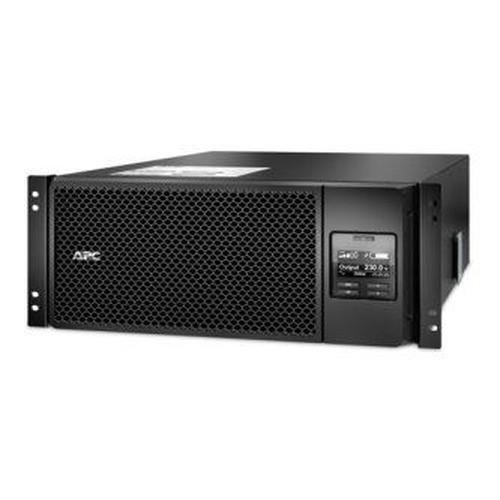
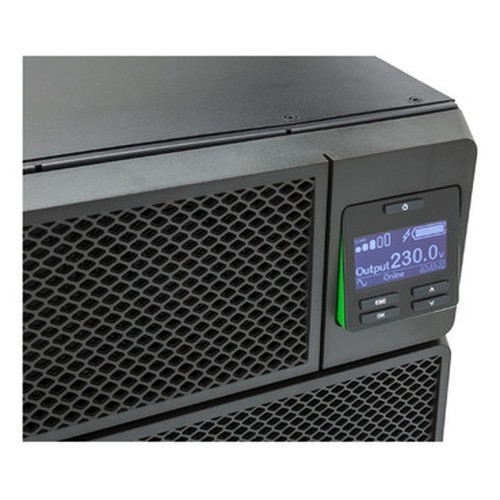
Both the SRT6KRMXLI and SRT6KRMXLIM are rack-mount, double-conversion online UPS units from APC's Smart-UPS SRT line, each rated at 6000VA/6000W at 230V output. The comparison is between the standard commercial model and its marine-certified variant. While their core power architecture is identical, the two differ in minimum input voltage tolerance, efficiency reporting, output THD disclosure, and auto-restart capability — factors that determine suitability across standard data center, industrial, and marine or mobile-platform deployments.
In This Guide
- Which model handles a wider or more demanding input voltage range?
- Which model provides better documented output power quality and efficiency?
- Which model offers stronger autonomous and safety-critical operational features?
- Which should you choose: the SRT6KRMXLI or the SRT6KRMXLIM?
- Side-by-Side Specs
- FAQ
Which model handles a wider or more demanding input voltage range?
The SRT6KRMXLI accepts input voltages from 100 V to 275 V, giving it a 175 V operating window. This broad low-end tolerance is well suited to locations where utility supply can dip significantly — common in developing markets or older commercial buildings.
The SRT6KRMXLIM narrows the minimum input to 160 V, accepting a 115 V window (160–275 V). This tighter floor reflects the marine variant's design assumption: shipboard generators and shore power in certified marine environments typically maintain tighter voltage bands, reducing the need for wide low-end accommodation.
For deployments where severe under-voltage events below 160 V are possible, the SRT6KRMXLI's 100 V minimum input provides a meaningful operational advantage. Both models share the same maximum input of 275 V and the same input frequency range of 40–70 Hz.
Which model provides better documented output power quality and efficiency?
The SRT6KRMXLI specifies an efficiency rating of 94.4%. This is the only model of the two for which an efficiency figure appears in the provided specifications. The SRT6KRMXLIM does not include an efficiency rating in the supplied spec data, making a direct numeric comparison impossible from the available information.
On output power quality, the SRT6KRMXLIM explicitly lists an Output Voltage Total Harmonic Distortion (THD) of 3%. This figure is absent from the SRT6KRMXLI's provided specifications. A 3% THD is a strong indicator of clean sine wave output, relevant for sensitive loads such as active PFC power supplies in servers and telecom equipment.
Both units deliver a true sine wave output, share a 3:1 crest factor, and operate across 50/60 Hz output frequency. The divergence in what each manufacturer has disclosed per model means buyers must weigh a known efficiency figure (SRT6KRMXLI) against a known THD figure (SRT6KRMXLIM) rather than a clean apples-to-apples comparison.
Which model offers stronger autonomous and safety-critical operational features?
The SRT6KRMXLIM specifies auto-restart capability, which allows the UPS to automatically resume operation after a utility power restoration without manual intervention. This is critical in unattended or remote environments — marine vessels, offshore platforms, or unmanned edge sites — where staff may not be present to manually restart equipment after a power event. The SRT6KRMXLI does not list auto-restart in its provided specifications.
Both models include Emergency Power Off (EPO), audible alarms, and surge protection rated at 480 J, placing them on equal footing for fundamental safety and alerting requirements. Noise output is identical at 55 dB for both units.
For installations requiring lights-out operation or certified marine deployment, the SRT6KRMXLIM's documented auto-restart is a meaningful differentiator. For installations in occupied facilities where manual intervention is feasible and broad input voltage tolerance is a higher priority, the SRT6KRMXLI's wider 100–275 V input range becomes the more relevant operational feature.
Which should you choose: the SRT6KRMXLI or the SRT6KRMXLIM?
Our take: The SRT6KRMXLI is the stronger choice when the deployment site experiences input voltages below 160 V or when a documented efficiency figure (94.4%) is required for energy audit or data center compliance purposes. Conversely, the SRT6KRMXLIM is the appropriate selection for marine, offshore, or unattended edge deployments: it adds auto-restart (absent from the SRT6KRMXLI spec sheet), discloses a 3% output voltage THD for sensitive-load validation, and is purpose-built to a marine certification standard. The SRT6KRMXLIM's minimum input floor of 160 V (vs. 100 V) is a deliberate design trade-off, not a deficiency, reflecting the tighter voltage environment of certified marine shore power and generator systems. Both units are otherwise electrically equivalent at 6000VA/6000W, 480 J surge, sine wave, 3:1 crest factor, and 55 dB noise. Platform qualifier: standard commercial data centers and IDF/MDF rooms favor the SRT6KRMXLI; vessel, offshore, and unmanned remote sites favor the SRT6KRMXLIM.
Side-by-Side Comparison
Spec-for-spec, from manufacturer data.
| Specification | APC by Schneider Electric SRT6KRMXLI | APC by Schneider Electric SRT6KRMXLIM |
|---|---|---|
| UPS Topology | Double-conversion (Online) | Double-conversion (Online) |
| Output Power Capacity | 6 kVA | 6 kVA |
| Output Power | 6000 W | 6000 W |
| Waveform | Sine | Sine |
| Input Voltage Min | 100 V | 160 V |
| Input Voltage Max | 275 V | 275 V |
| Input Frequency | 40–70 Hz | 40–70 Hz |
| Output Voltage Range | 220–240 V | 220–240 V |
| Output Frequency | 50/60 Hz | 50/60 Hz |
| Surge Energy Rating | 480 J | 480 J |
| Crest Factor | 3:1 | 3:1 |
| Efficiency | 94.4% | — |
| Output Voltage THD | — | 3% |
| Auto-Restart | — | Yes |
| Emergency Power Off (EPO) | Yes | Yes |
| Noise Level | 55 dB | 55 dB |
Frequently Asked Questions
Which should you choose: the SRT6KRMXLI or the SRT6KRMXLIM?
The SRT6KRMXLI is the stronger choice when the deployment site experiences input voltages below 160 V or when a documented efficiency figure (94.4%) is required for energy audit or data center compliance purposes. Conversely, the SRT6KRMXLIM is the appropriate selection for marine, offshore, or unattended edge deployments: it adds auto-restart (absent from the SRT6KRMXLI spec sheet), discloses a 3% output voltage THD for sensitive-load validation, and is purpose-built to a marine certification standard. The SRT6KRMXLIM's minimum input floor of 160 V (vs. 100 V) is a deliberate design trade-off, not a deficiency, reflecting the tighter voltage environment of certified marine shore power and generator systems. Both units are otherwise electrically equivalent at 6000VA/6000W, 480 J surge, sine wave, 3:1 crest factor, and 55 dB noise. Platform qualifier: standard commercial data centers and IDF/MDF rooms favor the SRT6KRMXLI; vessel, offshore, and unmanned remote sites favor the SRT6KRMXLIM.
Can the SRT6KRMXLI handle very low utility voltage that the SRT6KRMXLIM cannot?
Yes. The SRT6KRMXLI accepts input voltage as low as 100 V, while the SRT6KRMXLIM's minimum is 160 V. If your site experiences utility voltage drops below 160 V, the SRT6KRMXLI will continue operating on utility power where the SRT6KRMXLIM would switch to battery earlier or not tolerate the condition within its specified range.
Will either UPS restart automatically after a power outage in an unmanned location?
Only the SRT6KRMXLIM lists auto-restart in its provided specifications. The SRT6KRMXLI does not include this feature in its spec sheet as supplied. For unattended or remote deployments — including marine vessels or edge sites without on-site staff — the SRT6KRMXLIM's auto-restart is an important operational consideration.
Is the output power quality different between the two models?
Both deliver a sine wave output with a 3:1 crest factor. However, only the SRT6KRMXLIM's specifications include an explicit output voltage THD figure of 3%, which is relevant for validating compatibility with sensitive server and telecom loads. The SRT6KRMXLI's provided specs do not include a THD value, so a direct numeric comparison cannot be made from the available data.
More UPS Comparisons
- APC by Schneider Electric SRT6KXLT vs Vertiv GXT5-6000RT208
- APC by Schneider Electric SRT6KXLT vs Vertiv GXT5LI-6000MVRT3UXLN
- APC by Schneider Electric SRT6KXLT vs Vertiv GXT5LI-6000GVRT3UXLN
- APC by Schneider Electric SRT6KXLT vs APC by Schneider Electric SRT6KRMXLI
- APC by Schneider Electric SRT6KXLT vs APC by Schneider Electric SRT6KRMXLIM
- APC by Schneider Electric SRT6KRMXLI vs Vertiv GXT5-6000RT208
UPS Buying Guides
Get a Second Opinion on Your Camera Choice
Share your site layout, coverage goals, and budget. Our team will validate the camera selection, flag anything we would change, and recommend products that match the use case.