
APC by Schneider Electric SMT2200C vs CyberPower OL2200RTXL2U: Specification Comparison
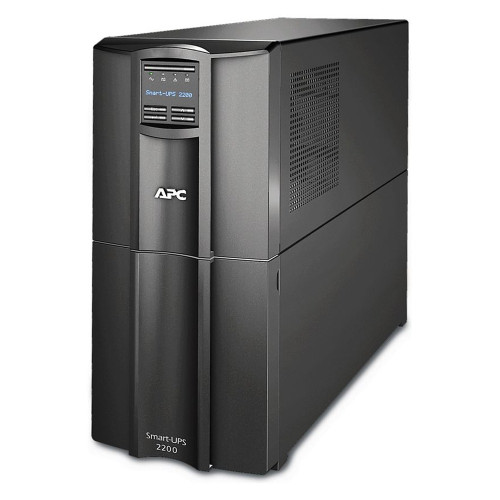
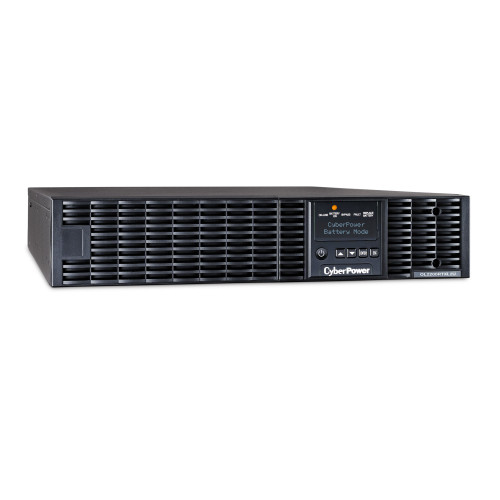
Both the APC SMT2200C and CyberPower OL2200RTXL2U are 2200VA uninterruptible power supplies designed to protect sensitive equipment from power disturbances. The SMT2200C is a tower-form line-interactive UPS targeting IT closets and workstation environments, while the OL2200RTXL2U is a 2U rack/tower double-conversion online unit aimed at rack-mounted infrastructure. Buyers cross-shopping this class typically weigh topology, runtime, outlet configuration, form factor, and management capabilities against their load requirements and installation environment.
In This Guide
- Which UPS topology and power output better matches your load protection requirements?
- How do runtime, battery design, and expandability compare for sustained outage scenarios?
- Which unit better fits your rack environment, outlet needs, and remote management infrastructure?
- Which should you choose: the SMT2200C or the OL2200RTXL2U?
- Side-by-Side Specs
- FAQ
Which UPS topology and power output better matches your load protection requirements?
The SMT2200C uses a line-interactive topology with automatic voltage regulation (AVR), delivering 1980 W (2200 VA) at a power factor of approximately 0.9. It produces a sine wave output and holds output voltage between 110 V and 127 V, with an input operating range of 75 V to 154 V. Output THD is specified at 5%. This topology corrects voltage sags and surges without switching to battery, making it efficient for loads that can tolerate brief transfer times during severe disturbances.
The OL2200RTXL2U uses double-conversion online topology, delivering 1800 W (2200 VA) at a power factor of approximately 0.82. It provides pure sine wave output continuously regenerated from its inverter, meaning connected equipment never experiences a transfer gap — the inverter is always active. Output voltage is configurable at 100, 110, 115, 120, or 125 VAC ±2%. The input range spans 60–150 VAC (load-dependent). The SMT2200C offers 180 W more rated output power; the OL2200RTXL2U offers zero-transfer-time isolation from all input anomalies due to its always-on inverter.
How do runtime, battery design, and expandability compare for sustained outage scenarios?
The OL2200RTXL2U publishes explicit runtime figures: 8 minutes at full load (1800 W) and 21 minutes at half load (900 W), based on its internal battery bank of six 12V/9Ah sealed lead-acid cells. Batteries are hot-swappable and user-replaceable without powering down connected equipment. The unit also supports up to 10 external battery modules (EBMs), allowing significant runtime extension for prolonged outages. This makes it a strong candidate for environments where extended runtime is a planned requirement.
The SMT2200C specification set provided does not include runtime figures, internal battery specifications, or external battery module compatibility. Buyers who require documented runtime data or need to plan for extended outages cannot derive those figures from the available SMT2200C spec sheet as supplied here. The OL2200RTXL2U is the only unit of the two with published runtime benchmarks and a documented EBM expansion path.
Which unit better fits your rack environment, outlet needs, and remote management infrastructure?
The SMT2200C is a tower-only unit with eight NEMA 5-15R outlets plus two NEMA 5-20R outlets — ten total receptacles. It includes web-based management, an audible alarm, EPO (Emergency Power Off), and a surge energy rating of 530 J. Its noise level is rated at 45 dB. Physical dimensions and weight are not provided in the available spec data. The 5-15R majority outlet type is common for desktop and small server equipment.
The OL2200RTXL2U is a 2U rack/tower convertible unit measuring 17 × 3.5 × 23.62 inches and weighing 68.2 lb. It offers seven outlets: six NEMA 5-20R and one NEMA L5-20R — all 20A-capable receptacles, with no 5-15R outlets. Management connectivity includes USB (HID) and RS-232 serial; optional network management is available via the RMCARD205 card (sold separately). Web-based management capability is not confirmed in the provided specs without the optional card. The unit carries UL1778, CSA C22.2 No.107.3, FCC Part 15 Class A, and RoHS certifications, with a 3-year limited warranty and a $400,000 connected equipment guarantee. Equivalent warranty and guarantee terms for the SMT2200C are not present in the provided specs.
Which should you choose: the SMT2200C or the OL2200RTXL2U?
Our take: The OL2200RTXL2U is the stronger choice when the installation is rack-based, load equipment uses NEMA 5-20R or L5-20R connectors, and zero-transfer-time power conditioning is required — its double-conversion topology means connected equipment never sees a switchover gap, versus the SMT2200C's line-interactive transfer. Three concrete spec differences drive the decision: (1) topology — double-conversion online vs. line-interactive; (2) rated output power — SMT2200C delivers 1980 W vs. OL2200RTXL2U's 1800 W, a 180 W advantage for the APC; (3) form factor — OL2200RTXL2U is a 2U rack/tower unit with documented EBM expansion for extended runtime, while the SMT2200C is tower-only with no runtime or EBM data provided in the available specs. Choose the SMT2200C for tower deployments with mixed 15A/20A outlet needs and lighter loads; choose the OL2200RTXL2U for rack environments running sensitive or mission-critical equipment that demands continuous online conditioning and expandable runtime.
Side-by-Side Comparison
Spec-for-spec, from manufacturer data.
| Specification | APC by Schneider Electric SMT2200C | CyberPower OL2200RTXL2U |
|---|---|---|
| UPS Topology | Line-Interactive | Double-Conversion Online |
| Capacity (VA) | 2200 VA | 2200 VA |
| Rated Output Power (W) | 1980 W | 1800 W |
| Output Waveform | Sine wave | Pure sine wave |
| Input Voltage Range | 75–154 V | 60–150 VAC (load-dependent) |
| Output Voltage Range | 110–127 V | 100/110/115/120/125 VAC ±2% (configurable) |
| Input Frequency | 50/60 Hz | — |
| Output Frequency | 50/60 Hz | — |
| Automatic Voltage Regulation (AVR) | Yes | — |
| Output Voltage THD | 5% | — |
| Total Outlets | 10 (8× NEMA 5-15R, 2× NEMA 5-20R) | 7 (6× NEMA 5-20R, 1× NEMA L5-20R) |
| Form Factor | Tower | 2U Rack/Tower |
| Dimensions | — | 17 × 3.5 × 23.62 in (432 × 89 × 600 mm) |
| Weight | — | 68.2 lb (30.93 kg) |
| Battery | — | 6× 12V/9Ah SLA, hot-swappable |
| Runtime at Full Load | — | 8 minutes |
| Runtime at Half Load | — | 21 minutes |
| External Battery Module Support | — | Up to 10 EBMs |
| Management Connectivity | Web-based | USB (HID), RS-232; optional RMCARD205 |
| Emergency Power Off (EPO) | Yes | — |
| Surge Energy Rating | 530 J | — |
| Surge Protection | No | — |
| Audible Alarm | Yes | — |
| Noise Level | 45 dB | — |
| Operating Temperature | — | 32–104°F (0–40°C) |
| Certifications | — | UL1778, CSA C22.2 No.107.3, FCC Part 15 Class A, RoHS |
| Warranty | — | 3-year limited |
| Connected Equipment Guarantee | — | $400,000 (lifetime) |
Frequently Asked Questions
Which should you choose: the SMT2200C or the OL2200RTXL2U?
The OL2200RTXL2U is the stronger choice when the installation is rack-based, load equipment uses NEMA 5-20R or L5-20R connectors, and zero-transfer-time power conditioning is required — its double-conversion topology means connected equipment never sees a switchover gap, versus the SMT2200C's line-interactive transfer. Three concrete spec differences drive the decision: (1) topology — double-conversion online vs. line-interactive; (2) rated output power — SMT2200C delivers 1980 W vs. OL2200RTXL2U's 1800 W, a 180 W advantage for the APC; (3) form factor — OL2200RTXL2U is a 2U rack/tower unit with documented EBM expansion for extended runtime, while the SMT2200C is tower-only with no runtime or EBM data provided in the available specs. Choose the SMT2200C for tower deployments with mixed 15A/20A outlet needs and lighter loads; choose the OL2200RTXL2U for rack environments running sensitive or mission-critical equipment that demands continuous online conditioning and expandable runtime.
Can either UPS support a rack-mounted installation?
Only the CyberPower OL2200RTXL2U is specified for rack installation — it is a 2U rack/tower convertible unit with mounting hardware included. The APC SMT2200C is specified as a tower form factor only; rack compatibility is not indicated in the provided specifications.
Which unit offers better protection against all types of power disturbances?
The OL2200RTXL2U uses double-conversion online topology, meaning its inverter continuously regenerates AC output from a DC bus, isolating connected equipment from all input disturbances — sags, surges, noise, and frequency variation — with zero transfer time. The SMT2200C uses line-interactive topology with AVR, which corrects voltage within its 75–154 V input range without switching to battery, but does involve a transfer to battery for severe events. For the highest level of power conditioning, the double-conversion OL2200RTXL2U provides stronger isolation per its specified topology.
Does the APC SMT2200C or the CyberPower OL2200RTXL2U have more outlets, and what types are they?
The SMT2200C provides ten outlets — eight NEMA 5-15R (15A) and two NEMA 5-20R (20A) — offering more total receptacles and compatibility with standard 15A plugs. The OL2200RTXL2U provides seven outlets — six NEMA 5-20R (20A) and one NEMA L5-20R (20A locking) — all rated at 20A but with no 5-15R receptacles. The better choice depends on the plug types of your connected equipment.
More UPS Comparisons
- CyberPower PR2200RTXL2UC vs APC by Schneider Electric SRT2200RMXLA
- CyberPower PR2200RTXL2UC vs APC by Schneider Electric SRT2200XLA
- CyberPower PR2200RTXL2UC vs APC by Schneider Electric SRT2200RMXLA-NC
- CyberPower PR2200RTXL2UC vs APC by Schneider Electric SMT2200I
- CyberPower PR2200RTXL2UC vs CyberPower OL2K2RTHD
- CyberPower PR2200RTXL2UC vs CyberPower OL2200RTXL2U
UPS Buying Guides
Get a Second Opinion on Your Camera Choice
Share your site layout, coverage goals, and budget. Our team will validate the camera selection, flag anything we would change, and recommend products that match the use case.