
APC by Schneider Electric SCL500RMI1UC vs APC by Schneider Electric BE500G3: Specification Comparison
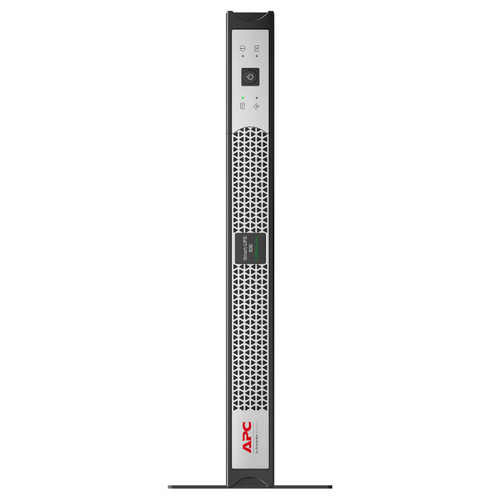
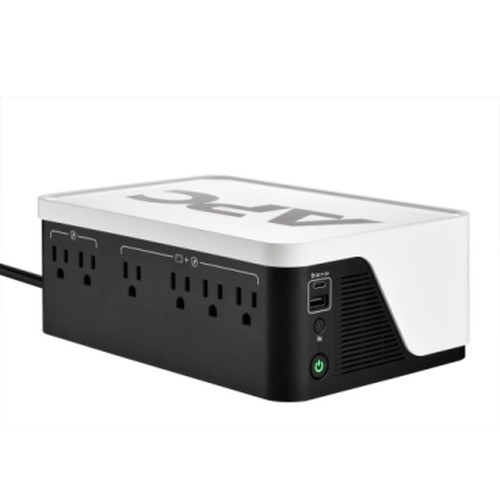
Both the SCL500RMI1UC and BE500G3 are 500VA uninterruptible power supplies from APC by Schneider Electric, placing them in the same capacity class. However, they target distinctly different deployment scenarios: the SCL500RMI1UC is a line-interactive, lithium-ion rackmount unit designed for IT infrastructure and data-center edge installations, while the BE500G3 is a desktop/tower standby-class UPS aimed at small office and workstation use. A buyer choosing between them is weighing installation environment, voltage region, outlet type, and battery chemistry against budget.
In This Guide
- How do the two units differ in power protection quality and output capacity?
- What are the differences in battery technology, form factor, and installation requirements?
- How do the outlet configurations and management connectivity compare?
- Which should you choose: the SCL500RMI1UC or the BE500G3?
- Side-by-Side Specs
- FAQ
How do the two units differ in power protection quality and output capacity?
The SCL500RMI1UC operates as a line-interactive UPS with pure sine wave output, continuously regulating voltage before passing it to connected equipment. Its rated output is 400 W at 500 VA on a 230 V nominal system. Pure sine wave output is required by many active PFC power supplies found in servers and network equipment.
The BE500G3 is rated at 300 W / 500 VA on a 120 V nominal system. Its waveform type is not specified in the provided data. Transfer time to battery is listed as less than 6 ms. The 200 W gap in real watt capacity (400 W vs 300 W) is significant when calculating runtime headroom under load.
What are the differences in battery technology, form factor, and installation requirements?
The SCL500RMI1UC uses a lithium-ion battery and is rated for 1U rackmount installation, making it suited for server cabinets and telecom racks. No recharge time is specified in the provided data. Lithium-ion chemistry typically offers longer service life and lower weight compared to lead-acid alternatives.
The BE500G3 uses lead-acid chemistry with a stated recharge time of 10 hours. Its physical dimensions are 9.65 x 3.54 x 6.57 inches and it weighs 7.185 lb (package weight). It is a desktop/tower form factor with no rackmount capability. The unit carries CEC and ENERGY STAR certifications; no equivalent certifications are listed for the SCL500RMI1UC in the provided specs.
How do the outlet configurations and management connectivity compare?
The SCL500RMI1UC provides 4 IEC C13 outlets, all battery-backed, and includes a SmartConnect port (cloud/USB management interface) for remote monitoring. SmartSlot for expansion cards is not present. Input voltage range is 208–253 V at 47–63 Hz, covering European and international single-phase standards. Surge energy rating is 510 J.
The BE500G3 offers 6 NEMA 5-15R outlets: 4 with battery and surge protection plus 2 surge-only. It adds a USB-A charging port (5 VDC, 3 A, 15 W) and USB-B for PC communications. Input is 120 VAC at 50/60 Hz, limiting it to North American voltage environments. No surge energy rating in joules is listed in the provided specs. The NEMA outlet configuration is incompatible with IEC-standard rack PDUs.
Which should you choose: the SCL500RMI1UC or the BE500G3?
Our take: The SCL500RMI1UC is the stronger choice when the deployment is a 230 V IT rack environment requiring pure sine wave output and lithium-ion longevity. Key spec deltas: it delivers 400 W versus 300 W (a 33% higher real watt capacity), uses lithium-ion rather than lead-acid chemistry, and provides IEC C13 outlets suited to rack-mounted equipment rather than NEMA 5-15R desktop plugs. The SmartConnect port adds remote visibility absent from the BE500G3. Conversely, the BE500G3 is the correct unit for a 120 V North American workstation or small-office context: its NEMA outlets, USB-A charging port, ENERGY STAR certification, and lower unit footprint match that use case. The two units serve different voltage regions and installation environments and should not be substituted for one another.
Side-by-Side Comparison
Spec-for-spec, from manufacturer data.
| Specification | APC by Schneider Electric SCL500RMI1UC | APC by Schneider Electric BE500G3 |
|---|---|---|
| UPS Topology | Line-Interactive | — |
| Waveform | Pure Sine | — |
| Capacity (VA) | 500 VA | 500 VA |
| Capacity (Watts) | 400 W | 300 W |
| Nominal Input Voltage | 230 V | 120 VAC |
| Input Voltage Range | 208–253 V | — |
| Input Frequency | 47–63 Hz | 50/60 Hz |
| Nominal Output Voltage | 230 V | 120 VAC |
| Battery Chemistry | Lithium-Ion | Lead-Acid |
| Battery Recharge Time | — | 10 Hours |
| Form Factor | 1U Rackmount | Desktop/Tower |
| Outlet Type | IEC C13 | NEMA 5-15R |
| Total Outlets | 4 (all battery-backed) | 6 (4 battery+surge, 2 surge-only) |
| USB Charging Port | — | 1x USB-A 5 VDC 3 A |
| Management Port | SmartConnect | USB-B (PC comms) |
| Surge Energy Rating | 510 J | — |
| Certifications | — | CEC, ENERGY STAR, FCC |
Frequently Asked Questions
Which should you choose: the SCL500RMI1UC or the BE500G3?
The SCL500RMI1UC is the stronger choice when the deployment is a 230 V IT rack environment requiring pure sine wave output and lithium-ion longevity. Key spec deltas: it delivers 400 W versus 300 W (a 33% higher real watt capacity), uses lithium-ion rather than lead-acid chemistry, and provides IEC C13 outlets suited to rack-mounted equipment rather than NEMA 5-15R desktop plugs. The SmartConnect port adds remote visibility absent from the BE500G3. Conversely, the BE500G3 is the correct unit for a 120 V North American workstation or small-office context: its NEMA outlets, USB-A charging port, ENERGY STAR certification, and lower unit footprint match that use case. The two units serve different voltage regions and installation environments and should not be substituted for one another.
Can I use the BE500G3 in a standard server rack?
No. The BE500G3 is a desktop/tower form factor with NEMA 5-15R outlets and 120 VAC input. It has no rackmount rails, no IEC C13 outlets, and is not compatible with 230 V rack environments. The SCL500RMI1UC is the 1U rackmount option between these two.
Which unit will last longer between battery replacements?
The SCL500RMI1UC uses lithium-ion chemistry; the BE500G3 uses lead-acid. Lithium-ion batteries generally have a longer rated service life than valve-regulated lead-acid batteries, but specific cycle-count or year-life figures are not provided in the specs supplied for either model.
Is the SCL500RMI1UC or BE500G3 better for protecting a desktop PC in the United States?
The BE500G3 is the appropriate choice for a U.S. desktop environment. It operates on 120 VAC with NEMA 5-15P/5-15R plugs standard in North America, includes 6 outlets with a mix of battery-backed and surge-only protection, and carries FCC and ENERGY STAR certifications. The SCL500RMI1UC is designed for 230 V systems and IEC outlets, making it incompatible with standard U.S. wall outlets.
More UPS Comparisons
- Vertiv GXT5-500LVRT2UXL vs APC by Schneider Electric SUA500PDR-H
- Vertiv GXT5-500LVRT2UXL vs APC by Schneider Electric BE500G3
- Vertiv GXT5-500LVRT2UXL vs APC by Schneider Electric SCL500RM1UC
- Vertiv GXT5-500LVRT2UXL vs APC by Schneider Electric SCL500RMI1UC
- APC by Schneider Electric SUA500PDR-H vs Middle Atlantic S500R
- APC by Schneider Electric SUA500PDR-H vs APC by Schneider Electric BE500G3
UPS Buying Guides
Get a Second Opinion on Your Camera Choice
Share your site layout, coverage goals, and budget. Our team will validate the camera selection, flag anything we would change, and recommend products that match the use case.