
2N 03369-001 vs Aiphone IX-EA: Specification Comparison
Both the 2N 03369-001 (IP Force 5MP) and the Aiphone IX-EA are IP-based outdoor video door stations designed for visitor identification and access control at building entry points. Each delivers two-way audio, H.264 video compression, and PoE power over a single Ethernet cable. This comparison evaluates image resolution and analytics capability, power and environmental protection, and integration and cybersecurity posture — the three dimensions that most directly determine fitness for a given deployment.
In This Guide
- Which unit delivers better image quality and on-device intelligence for visitor verification?
- How do the two units compare on power requirements and physical environmental protection?
- Which device offers stronger integration flexibility and cybersecurity credentials?
- Which should you choose: the 03369-001 or the IX-EA?
- Side-by-Side Specs
- FAQ
Which unit delivers better image quality and on-device intelligence for visitor verification?
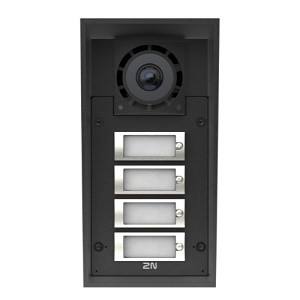
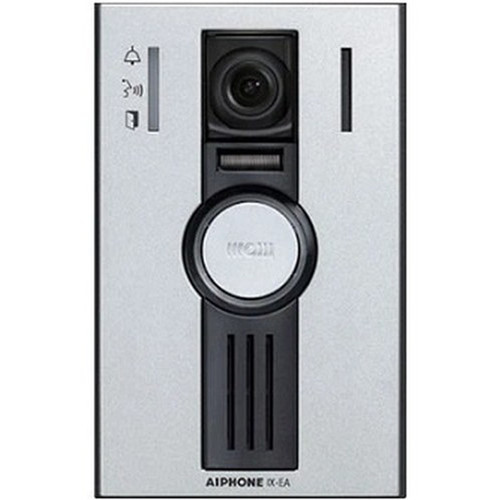
The 2N 03369-001 captures video at 5MP (2592×1944) using an ARTPEC-8 processor and provides on-device facial detection with adaptive face zooming alongside 1D/2D QR code credential scanning. These analytics run locally without a server dependency. The Aiphone IX-EA uses a ⅓" CMOS sensor rated at 1.23MP. No on-device analytics — facial detection or QR reading — are listed in the IX-EA specifications. For deployments where visitor face capture quality or credential-free QR entry is a requirement, the resolution gap (5MP vs 1.23MP) and the analytics absence on the IX-EA are material differentiators.
How do the two units compare on power requirements and physical environmental protection?
The 2N 03369-001 requires PoE+ (802.3at) at approximately 15–18W, which means the supplying switch or injector must support the higher 802.3at standard. It is rated IP66 for dust and water ingress and IK10 for impact resistance — the IK10 rating specifically addresses vandal resistance, a common outdoor intercom requirement. The Aiphone IX-EA operates on standard PoE (802.3af, 5.18W max), making it compatible with a broader base of existing PoE infrastructure without switch upgrades. The IX-EA's IP ingress or IK impact rating is not specified in the provided data, so no direct comparison on those metrics can be made. The IX-EA does provide an operating temperature range of 14°F to 140°F (−10°C to 60°C); no operating temperature is listed for the 03369-001.
Which device offers stronger integration flexibility and cybersecurity credentials?
The Aiphone IX-EA explicitly lists ONVIF Profile S and RTSP support, enabling integration with third-party VMS platforms that conform to that standard. It also carries IEEE 802.1X port-level authentication, providing network access control at the switch layer. The 2N 03369-001 specifications provided do not list ONVIF Profile S, RTSP, or IEEE 802.1X support — these may exist in the full product datasheet but cannot be confirmed from the data at hand. The IX-EA also includes a 2-year warranty per its listed specifications; no warranty term is stated for the 03369-001. Buyers integrating into an existing ONVIF-based VMS or requiring 802.1X enforcement should note these gaps in the 03369-001's provided spec data.
Which should you choose: the 03369-001 or the IX-EA?
Our take: The 03369-001 is the stronger choice when visitor image fidelity, on-device analytics, and vandal resistance are the primary requirements. Its 5MP sensor versus the IX-EA's 1.23MP delivers roughly four times the pixel count for face capture, its ARTPEC-8 processor enables local facial detection and 1D/2D QR scanning with no server dependency, and its IK10 impact rating addresses vandal-resistant outdoor enclosure needs the IX-EA does not specify. However, the IX-EA holds clear advantages for budget-constrained or legacy PoE infrastructure: it draws only 5.18W on standard 802.3af versus the 03369-001's 15–18W PoE+ requirement, explicitly supports ONVIF Profile S and RTSP for third-party VMS integration, and carries IEEE 802.1X cybersecurity certification — none of which appear in the 03369-001's provided specifications. Choose the 03369-001 for high-security lobbies, gated facilities, or QR credential workflows; choose the IX-EA for 802.3af switch environments requiring confirmed ONVIF VMS compatibility.
Side-by-Side Comparison
Spec-for-spec, from manufacturer data.
| Specification | 2N 03369-001 | Aiphone IX-EA |
|---|---|---|
| Product Type | IP Video Door Station / Intercom | IP Video Door Station |
| Resolution | 5MP (2592×1944) | 1.23MP (⅓" CMOS) |
| Processor | ARTPEC-8 | — |
| Video Compression | H.265 / H.264 | H.264 / Motion JPEG |
| PoE Standard | PoE+ (802.3at) | PoE (802.3af) |
| Power Consumption | ~15–18W | 5.18W max |
| Audio | Two-way (mic + speaker) | Two-way |
| On-device Analytics | Facial detection, QR code (1D/2D) | — |
| IP Rating | IP66 | — |
| IK (Impact) Rating | IK10 | — |
| Operating Temperature | — | 14°F to 140°F (−10°C to 60°C) |
| Min. Illumination | — | 5 lux |
| ONVIF / RTSP | — | ONVIF Profile S; RTSP |
| Cybersecurity | — | IEEE 802.1X |
| Mount Type | Wall | Surface-mount |
| Warranty | — | 2-Year |
Frequently Asked Questions
Which should you choose: the 03369-001 or the IX-EA?
The 03369-001 is the stronger choice when visitor image fidelity, on-device analytics, and vandal resistance are the primary requirements. Its 5MP sensor versus the IX-EA's 1.23MP delivers roughly four times the pixel count for face capture, its ARTPEC-8 processor enables local facial detection and 1D/2D QR scanning with no server dependency, and its IK10 impact rating addresses vandal-resistant outdoor enclosure needs the IX-EA does not specify. However, the IX-EA holds clear advantages for budget-constrained or legacy PoE infrastructure: it draws only 5.18W on standard 802.3af versus the 03369-001's 15–18W PoE+ requirement, explicitly supports ONVIF Profile S and RTSP for third-party VMS integration, and carries IEEE 802.1X cybersecurity certification — none of which appear in the 03369-001's provided specifications. Choose the 03369-001 for high-security lobbies, gated facilities, or QR credential workflows; choose the IX-EA for 802.3af switch environments requiring confirmed ONVIF VMS compatibility.
Can the IX-EA work with my existing 802.3af PoE switch, or do I need to upgrade?
Yes. The Aiphone IX-EA is rated at 5.18W max and conforms to IEEE 802.3af Class 0, so it will power from any standard 802.3af port. The 2N 03369-001 requires PoE+ (802.3at), which delivers up to 30W. If your current switches only support 802.3af, you would need to upgrade ports or add an 802.3at injector to power the 03369-001.
Does the 2N 03369-001 work with third-party VMS platforms via ONVIF?
ONVIF Profile S and RTSP support are not listed in the specifications provided for the 03369-001. The IX-EA explicitly lists both ONVIF Profile S and RTSP. Before specifying the 03369-001 into a third-party VMS environment, verify ONVIF compatibility directly with 2N's full product datasheet at the path noted in the spec data.
Is the 03369-001 or the IX-EA better suited for a high-traffic lobby entrance where visitors use QR code passes?
The 03369-001 is the specified choice for QR code credential workflows. It lists 1D/2D QR code reading as a confirmed on-device capability alongside adaptive face zooming. The IX-EA's specifications include no QR reading capability. For high-traffic lobbies where contactless QR entry is part of the access workflow, only the 03369-001 supports that use case based on the data provided.
More Intercom Comparisons
- Hanwha TID-600R vs Aiphone IX-EA
- Hanwha TID-600R vs Axis A8207-VE
- Hanwha TID-600R vs Aiphone IX-DVF-6
- Hanwha TID-600R vs Aiphone JOS-1FW
- Aiphone IX-EA vs Axis A8207-VE
- Aiphone IX-EA vs 2N 01273-001
Intercom Buying Guides
Get a Second Opinion on Your Camera Choice
Share your site layout, coverage goals, and budget. Our team will validate the camera selection, flag anything we would change, and recommend products that match the use case.