
Best Intercoms for Schools
Intercoms for schools — secure single-point entry with video verification before buzz-in, front-office answering stations, and integration with access control for lockdown.

Jerry Tildsen
Access Control & Intercoms Specialist · Working integrator
Bottom line
School intercoms must balance secure single-point entry verification, reliable front-office integration, and lockdown-capable design. Video door stations with PoE power and IP rating 54+ paired with master stations rated for continuous duty will meet ADA/safety code and integrate cleanly with access control systems.
What This Setup Needs
School intercom selection turns on entry security, staff workflow, environmental durability, and lockdown integration. Here's what actually matters when you're specifying for a K–12 or higher-ed facility.
- Video verification at entry: A door station with clear night vision and at least IP54 rating (water/dust resistance) handles weather, condensation, and accidental splash. IP65+ is stronger but costs more; IP54 is standard for protected entrances. You need PoE power to avoid running 24VAC—simpler, safer, fewer conduit runs.
- Wired vs. wireless connectivity: Wired (Ethernet over Cat6) is mandatory for schools. It's reliable, doesn't drift, integrates with your network infrastructure, and passes lockdown integration tests. Wireless adds latency and single-point-of-failure risk in an emergency.
- Master/guard station placement and form factor: Front office staff answer buzz-in requests all day. A tabletop master station (like the Aiphone IX-MV7-HB) works in small offices; larger schools need a recessed cabinet unit (Code Blue SLNP0029) that stays secure and keeps wiring hidden. Cabinet units also support multiple answering positions.
- Temperature and continuous-duty rating: Outdoor door stations must handle your local extremes (−40 to +55 °C for northern sites, or +32 to +104 °F for moderate climates). Indoor master stations in office environments are less critical but should be rated 0–40 °C minimum to survive HVAC failures and summer heat.
- Lockdown integration: The intercom must support dry relay outputs or integration with your access control platform (Honeywell, Salto, Proxim, etc.). This lets admins trigger door locks, silence buzzers, or pulse a siren from the master station in an emergency. Confirm API/wiring specs *before* ordering.
- Audio clarity and handset hygiene: Schools mean shared handsets. Choose a station with hands-free speaker/microphone option to reduce cross-contamination and allow staff to verify visitors without picking up. IP54+ rating also protects against sanitizer spray.
- Single-point vs. multi-point entry: A single secure entrance (one door station + one master) suits small schools (100–400 students); larger facilities need two door stations (front + service entrance) on the same master platform. Ensure the master can monitor and switch between doors without confusion.
Our Picks
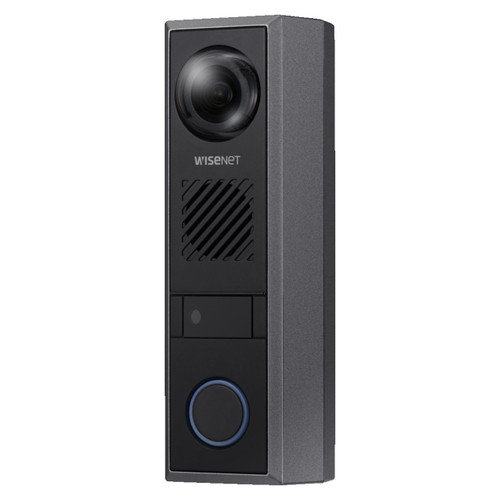
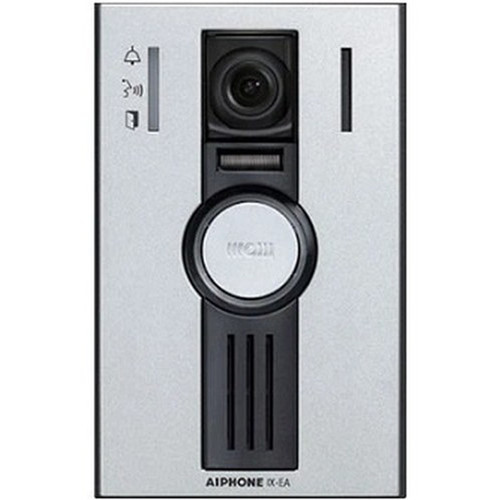
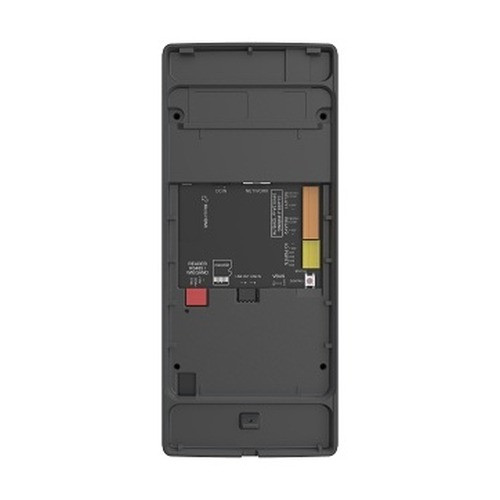
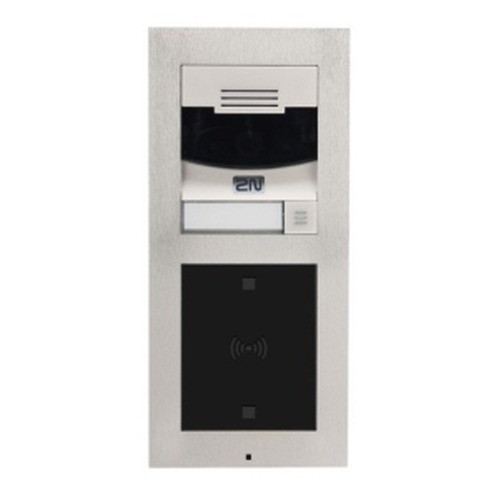
Selected from our catalog by spec-fit. All channel-direct and factory-new — not ranked by price.

Frequently Asked Questions
Do school intercoms need to integrate with access control to meet lockdown requirements?
Yes, in most U.S. state and local codes. The intercom master must support dry-relay outputs or a published API to trigger door locks, mute buzzers, or sound alarms during a lockdown. Confirm this *before* ordering—not all door-station + master combos include relay wiring. Cabinet-style masters (like the Code Blue unit) typically include it; tabletop units may require a separate relay module.
What's the difference between IP54 and IP65 ratings, and do I need IP65 for a school entrance?
IP54 resists dust and splash (safe for roofed or protected entries); IP65 resists heavy rain and direct hose spray (needed for fully exposed outdoor doors). Most schools have a roofed vestibule or overhang at the main entrance, making IP54 sufficient and cost-effective. Use IP65 only if the door unit faces open weather or is in a climate with frequent heavy rain.
Should I use wireless intercom in a school to avoid running new cabling?
No. Wireless intercoms introduce latency, battery-management liability, and network-interference risk—unacceptable in an emergency or lockdown scenario. Wired PoE (Ethernet over Cat6) is the standard for schools: it's reliable, integrates with existing IT infrastructure, and passes security audits. A single Cat6 run to the entrance usually costs less than troubleshooting wireless dropout during an incident.
Can I use a residential-grade door intercom in a school?
Not reliably. Residential units lack IP ratings for weather/condensation, miss PoE power (requiring 24VAC transformers), and rarely support lockdown relay integration or multi-door monitoring. School intercoms must be commercial-grade (minimum IP54, PoE, wired Ethernet, and documented access-control API support). The price difference is small relative to the liability risk.
How many door stations and master stations does a typical K–12 school need?
A single-building school usually needs one door station (main secure entrance) and one master station in the front office. Larger campuses, multi-building districts, or facilities with service/loading-dock entry may need a second door unit wired to the same master platform, so staff monitor both doors from one desk. Confirm your platform (Aiphone, Hanwha, Axis, etc.) supports multiple doors on one master before ordering.
What temperature range should I specify for indoor vs. outdoor intercom units?
Outdoor door stations should be rated −40 to +55 °C (or at least −20 to +50 °C) to handle seasonal extremes and direct sun. Indoor master stations in climate-controlled offices can be 0–40 °C, which is standard. If your school has unheated entryways, loading docks, or multipurpose buildings used year-round, specify the wider range to avoid audio/video drop-out in winter or summer heat-waves.
Related Resources
- Intercom comparisons — head-to-head spec matchups
- Video Intercom & Door Station Buying Guide
- Best Video Intercoms for Apartment & Multi-Tenant Entry
- Best Video Intercoms for Office Buildings
- All product comparisons
Speccing this for a project?
Send us your requirements and our senior specialists will confirm specs, compatibility, availability and pricing — free, usually within one business day. Channel-direct, factory-new, serving commercial integrators since 2014.
Get a Free QuoteComparing for a project?
Send us the models you are weighing and our team will confirm specs, compatibility, availability, and pricing — free, usually within one business day.