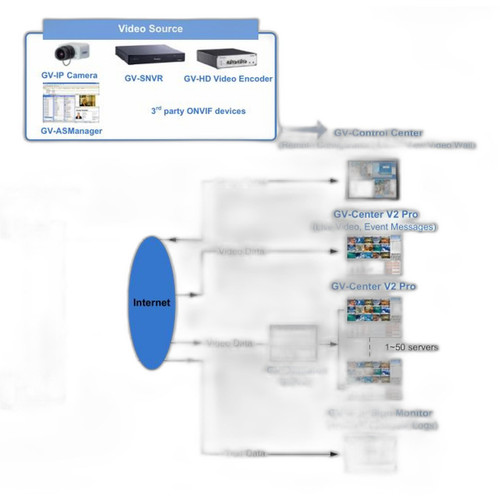
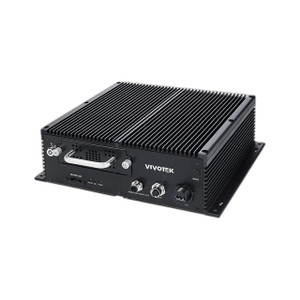
What's the difference between an NVR and a DVR?
A DVR (Digital Video Recorder) uses analog coax cameras and a capture card; an NVR (Network Video Recorder) receives IP camera streams over Ethernet. NVRs are now standard because they enable remote access, higher resolution, PoE power, and easier scaling. DVRs are legacy for most new deployments.
How do I calculate how much storage I need?
Multiply bitrate per camera (Mbps) × number of cameras × 86,400 seconds/day × retention days ÷ 8 bits/byte = total bytes. Example: 5 cameras × 5 Mbps × 86,400 × 30 days ÷ 8 = ~810 GB. Add 20–30% overhead for RAID and metadata. See Retention Math for IP Cameras: Bitrate, Motion, Storage Traps for detailed examples.
Can I mix camera brands and resolutions on one NVR?
Yes, most modern NVRs accept ONVIF-compliant IP cameras from any vendor (Hikvision, Axis, Vivotek, etc.) and mix 1080p, 2MP, 4K, and other resolutions on the same recorder. However, bitrate and frame-rate planning becomes critical; lower frame rates or bitrate reduction may occur if total throughput is exceeded.
What happens if my NVR storage fills up?
Most NVRs default to overwrite mode: oldest video is deleted to make room for new recording. Some support redundancy via dual RAID arrays or remote backup. Prevent accidental loss by setting up automated export to NAS, VMS archive, or cloud; verify RAID type protects against single-disk failure.
Do I need a separate switch if my NVR has PoE?
If your NVR has integrated PoE ports and all cameras connect directly to it, no external switch is needed. However, if you have more cameras than PoE ports or need network redundancy, add a managed PoE switch upstream. Always verify the NVR's PoE wattage budget covers all cameras simultaneously.
What's the best way to ensure my NVR doesn't fail during an incident?
Deploy Why Surveillance Systems Fail During Incidents architecture: local recording at multiple sites, UPS backup, network redundancy, and regular backup to offsite NAS or cloud. Test failover quarterly. Use RAID 6 or mirrored storage, and avoid single points of failure in power, network, and storage paths.