
Panduit U01N11V vs Ubiquiti UPS-TOWER-US: Specification Comparison
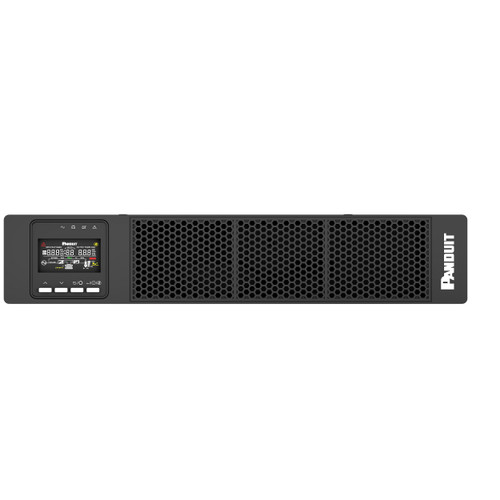
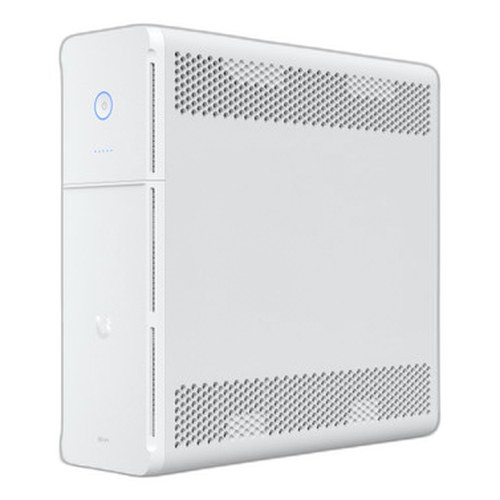
Both the Panduit U01N11V and Ubiquiti UPS-TOWER-US are 1 kVA uninterruptible power supplies rated for 120V AC single-phase input, placing them in the same capacity class for small-to-mid infrastructure protection. The Panduit is a 2U rack-mount unit under the SteadySine sub-brand targeting data center, edge, and enterprise MTDC deployments, while the Ubiquiti is a desktop tower with integrated Ethernet management designed for UniFi network environments. This comparison evaluates form factor and physical fit, power and runtime specifications, and management capability across both units.
In This Guide
- How do the form factor and physical dimensions affect installation flexibility?
- What are the real power output, battery, and runtime specifications for each unit?
- Which unit offers more capable remote monitoring and ecosystem integration?
- Which should you choose: the U01N11V or the UPS-TOWER-US?
- Side-by-Side Specs
- FAQ
How do the form factor and physical dimensions affect installation flexibility?
The Panduit U01N11V is a 2U rack-mount unit measuring 3.4 in (86.5 mm) tall and 17.3 in (440 mm) wide, making it purpose-built for standard 19-inch rack enclosures in data centers, edge cabinets, or enterprise MDTCs. Rack integration means it can be centrally managed alongside other 1U/2U equipment in a structured cabling environment, and the 2U height is a concrete planning figure for rack-unit budgeting.
The Ubiquiti UPS-TOWER-US carries a desktop form factor with dimensions of 288 × 99 × 280.5 mm (11.3 × 3.9 × 11 in) and a weight of 8.17 kg (18 lb). Its polycarbonate and ABS enclosure is rated IP20, indicating protection against solid objects larger than 12.5 mm but no moisture resistance. It is not rack-mountable per the provided specifications. Buyers with existing rack infrastructure will find the Panduit a natural fit, while those placing protection at a desk or floor location—such as a network closet shelf or IT room corner—will find the Ubiquiti's tower orientation more practical.
What are the real power output, battery, and runtime specifications for each unit?
The Ubiquiti UPS-TOWER-US specifies a 600W / 1000VA output capacity, a single Lead Acid 12V 9Ah battery, a 6–8 hour recovery time to 90% charge, and a line-interactive operating mode. Input is 120V AC at 50/60 Hz auto-sensing with a 12A maximum draw. Output voltage is 120V AC. Runtime under load is described only as 'battery backup for graceful shutdown'; no timed runtime figure at a specific wattage load is provided in the supplied specifications.
The Panduit U01N11V is specified at 1 kVA capacity. However, the provided specifications do not state a watt rating, battery chemistry, battery capacity (Ah), runtime at any load, or operating mode (e.g., line-interactive vs. online double-conversion). These are critical purchasing parameters for a UPS and are absent from the data supplied. Buyers requiring those figures for the Panduit must consult the product datasheet at /content/product-datasheets/U01N11V.pdf before making a capacity or runtime comparison.
Which unit offers more capable remote monitoring and ecosystem integration?
The Ubiquiti UPS-TOWER-US includes a built-in 100/10 Mbps Ethernet port enabling remote monitoring and control through Ubiquiti's UniFi software platform. The unit is explicitly described as 'UniFi managed,' meaning it integrates natively into UniFi network dashboards alongside switches, access points, and routers already deployed in that ecosystem. Five NEMA 5-15R outlets are noted (2 battery-backed, 3 surge-only) in the sourced bullets, and NDAA compliance plus certifications including UL 1778, FCC, IC, and CSA C22.2 No. 107.3 are listed.
The Panduit U01N11V is positioned for data center, edge, and enterprise MTDC environments under the SteadySine sub-brand, suggesting a focus on clean sine-wave output appropriate for sensitive loads. However, the provided specifications include no information on management interfaces (SNMP, network card, USB, serial), outlet count or configuration, NDAA status, or safety certifications. Buyers evaluating the Panduit for managed or monitored deployments must verify those capabilities independently via the datasheet.
Which should you choose: the U01N11V or the UPS-TOWER-US?
Our take: The UPS-TOWER-US is the stronger choice when the deployment is a UniFi-managed network environment and desktop placement is acceptable, given its documented 600W/1000VA output, built-in 100/10 Mbps Ethernet management port, line-interactive operation, Lead Acid 12V 9Ah battery, NDAA compliance, and UL 1778 certification—all confirmed in the supplied specifications. The U01N11V holds a decisive advantage in form factor for rack-mounted infrastructure: its 2U 440 mm width fits standard 19-inch cabinets where the tower-format Ubiquiti cannot go, and its SteadySine sub-brand positioning implies sine-wave output suited to data center loads, though watt rating, runtime, battery chemistry, and management interfaces are not present in the provided specs and must be verified. Buyers integrating into a UniFi ecosystem should select the UPS-TOWER-US; buyers outfitting rack cabinets in data center or MTDC settings should confirm Panduit's missing specs before committing.
Side-by-Side Comparison
Spec-for-spec, from manufacturer data.
| Specification | Panduit U01N11V | Ubiquiti UPS-TOWER-US |
|---|---|---|
| SKU | U01N11V | UPS-TOWER-US |
| Brand / Sub-Brand | Panduit / SteadySine™ | Ubiquiti / UniFi |
| Form Factor | 2U Rack-Mount | Desktop Tower |
| VA Capacity | 1,000 VA | 1,000 VA |
| Watt Output | — | 600 W |
| Input Voltage | 120V (single phase) | 120V AC, 50/60 Hz, 12A Max. |
| Output Voltage | — | 120V AC |
| Battery Type | — | Lead Acid 12V, 9Ah (×1) |
| Operating Mode | — | Line-interactive |
| Battery Recovery | — | 6–8 hours to 90% |
| Height | 3.4 in / 86.5 mm | 3.9 in / 99 mm |
| Width | 17.3 in / 440 mm | 11.3 in / 288 mm |
| Weight | — | 8.17 kg / 18 lb |
| Network Management | — | 100/10 Mbps Ethernet |
| IP Rating | — | IP20 |
| NDAA Compliant | — | Yes |
| Certifications | — | UL 1778, FCC, IC, CSA C22.2 No. 107.3 |
| Target Application | Data Center, Edge, Enterprise MTDC | UniFi network protection |
Frequently Asked Questions
Which should you choose: the U01N11V or the UPS-TOWER-US?
The UPS-TOWER-US is the stronger choice when the deployment is a UniFi-managed network environment and desktop placement is acceptable, given its documented 600W/1000VA output, built-in 100/10 Mbps Ethernet management port, line-interactive operation, Lead Acid 12V 9Ah battery, NDAA compliance, and UL 1778 certification—all confirmed in the supplied specifications. The U01N11V holds a decisive advantage in form factor for rack-mounted infrastructure: its 2U 440 mm width fits standard 19-inch cabinets where the tower-format Ubiquiti cannot go, and its SteadySine sub-brand positioning implies sine-wave output suited to data center loads, though watt rating, runtime, battery chemistry, and management interfaces are not present in the provided specs and must be verified. Buyers integrating into a UniFi ecosystem should select the UPS-TOWER-US; buyers outfitting rack cabinets in data center or MTDC settings should confirm Panduit's missing specs before committing.
Can the U01N11V or UPS-TOWER-US be monitored remotely over the network?
Only the UPS-TOWER-US has a specified network management interface—a 100/10 Mbps Ethernet port that integrates with Ubiquiti's UniFi software platform. The U01N11V's provided specifications make no mention of a network management card, SNMP support, or any remote monitoring interface. Buyers requiring confirmed remote monitoring for the Panduit should consult its datasheet at /content/product-datasheets/U01N11V.pdf.
Which unit fits in a standard server rack?
The Panduit U01N11V is explicitly a 2U rack-mount unit measuring 17.3 in (440 mm) wide—consistent with standard 19-inch rack mounting. The Ubiquiti UPS-TOWER-US is a desktop tower (288 × 99 × 280.5 mm) and is not specified as rack-mountable in the provided data. For rack deployments, the U01N11V is the applicable choice.
Is either unit NDAA compliant for government or sensitive-site deployments?
The Ubiquiti UPS-TOWER-US is explicitly listed as NDAA compliant in its specifications and carries that designation among its certifications. The Panduit U01N11V's provided specifications do not include any NDAA compliance statement. For deployments requiring confirmed NDAA compliance, only the UPS-TOWER-US has that spec documented in the supplied data.
More UPS Comparisons
- Ubiquiti UPS-TOWER-US vs Panduit U01N12L
- Ubiquiti UPS-TOWER-US vs Panduit U01S12L
- Ubiquiti UPS-TOWER-US vs Middle Atlantic OL1000R-2
- Ubiquiti UPS-TOWER-US vs Middle Atlantic OL1000R-8
- Panduit U01N12L vs Middle Atlantic OL1000R-2
- Panduit U01N12L vs Middle Atlantic OL1000R-8
UPS Buying Guides
Get a Second Opinion on Your Camera Choice
Share your site layout, coverage goals, and budget. Our team will validate the camera selection, flag anything we would change, and recommend products that match the use case.