
Panduit U01N11L vs Ubiquiti UPS-TOWER-US: Specification Comparison
Both the Panduit U01N11L and Ubiquiti UPS-TOWER-US are 1 kVA uninterruptible power supplies operating on 120 V AC — the same capacity class a buyer would reasonably cross-shop for small-to-medium network closet or equipment-room protection. The Panduit is a 2U rack-mount unit under the SteadyPulse sub-brand; the Ubiquiti is a desktop tower targeting UniFi-managed network environments. Key decision axes are physical form factor and deployment fit, power and runtime specifications, and management capability.
In This Guide
- Which form factor and physical footprint fits your deployment — rack or desktop?
- What are the power capacity, output, battery, and runtime specifications of each unit?
- What management, monitoring, and ecosystem integration does each unit offer?
- Which should you choose: the U01N11L or the UPS-TOWER-US?
- Side-by-Side Specs
- FAQ
Which form factor and physical footprint fits your deployment — rack or desktop?
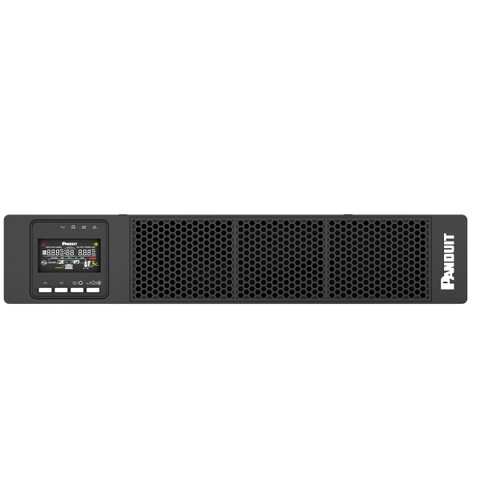
The Panduit U01N11L is a 2U rack-mount unit measuring 3.4 in (86.5 mm) high by 17.3 in (440 mm) wide. No depth dimension is provided in the supplied specifications. It ships as a single package unit (Package Qty: 1). This form factor is purpose-built for standard 19-inch equipment racks common in structured-cabling and data-center environments.
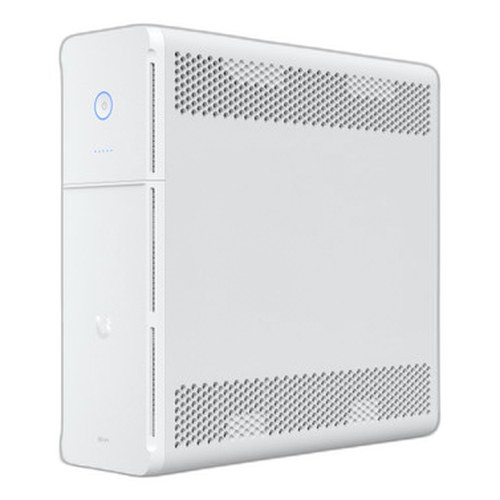
The Ubiquiti UPS-TOWER-US is a desktop tower with full dimensions of 288 × 99 × 280.5 mm (11.3 × 3.9 × 11 in) and a weight of 8.17 kg (18 lb). Its enclosure is a polycarbonate and ABS blend, rated IP20. It is not designed for rack mounting. This form factor suits wiring closets, utility shelves, or under-desk installations where no rack is available. Buyers should note that the Panduit's depth specification is absent from the provided data, which limits a precise rack-space comparison.
A buyer with an existing rack infrastructure will find the U01N11L the natural fit. A buyer deploying equipment on a shelf or in a non-rack environment — particularly alongside Ubiquiti UniFi gear — will find the UPS-TOWER-US physically appropriate.
What are the power capacity, output, battery, and runtime specifications of each unit?
Both units share a 1,000 VA (1 kVA) capacity rating. The Ubiquiti UPS-TOWER-US specifies a 600 W real-power output, an input of 120 V AC at 50/60 Hz (auto-sensing), a 120 V AC output, and a battery chemistry of one 12 V, 9 Ah sealed lead-acid cell. Its operating mode is stated as line-interactive, with a battery recovery time of 6–8 hours to 90% charge. Runtime is described only as sufficient for graceful shutdown; no specific runtime-under-load figure is provided in the supplied specifications.
The Panduit U01N11L specifies 120 V single-phase input. No wattage output, battery chemistry, battery capacity (Ah), operating mode (line-interactive vs. standby vs. double-conversion), or runtime figure is present in the supplied specifications. The sub-brand SteadyPulse is noted, and a datasheet reference is provided, but no additional power metrics can be drawn from the data at hand.
For buyers who require confirmed wattage headroom, battery type, and an explicit runtime estimate, only the Ubiquiti UPS-TOWER-US supplies those figures from the provided specifications. The Panduit U01N11L's power profile beyond VA rating and voltage cannot be assessed from the data given.
What management, monitoring, and ecosystem integration does each unit offer?
The Ubiquiti UPS-TOWER-US includes a built-in 100/10 Mbps Ethernet port enabling network-based remote monitoring and control through Ubiquiti's UniFi software platform. This allows administrators to view UPS status, receive alerts, and coordinate graceful shutdowns without requiring a separate network management card. It carries certifications of FCC, IC, UL 1778, CSA C22.2 No. 107.3, and is confirmed NDAA-compliant. The unit provides five NEMA 5-15R outlets (two battery-backed, three surge-only) per the card bullets derived from the spec data.
The Panduit U01N11L provides no management interface, network port, software integration, or certification data in the supplied specifications. Its cable category is listed as 'power-distribution-environmental-connectivity-hardware,' consistent with Panduit's broader infrastructure portfolio, but no protocol support, outlet count, or UPS-specific compliance certifications are enumerated in the data provided.
For any deployment requiring remote monitoring, integration with a network management system, or NDAA compliance documentation, the Ubiquiti UPS-TOWER-US is the only unit for which those capabilities are confirmed by the provided specifications.
Which should you choose: the U01N11L or the UPS-TOWER-US?
Our take: The UPS-TOWER-US is the stronger choice when verified management capability, confirmed wattage output, battery specification, and NDAA compliance are required. From the provided specs, the Ubiquiti delivers a documented 600 W / 1,000 VA output against a 12 V 9 Ah lead-acid battery in line-interactive mode, while the Panduit U01N11L supplies only a 1 kVA / 120 V rating with no wattage, battery chemistry, or runtime data present. The Ubiquiti also adds a 100/10 Mbps Ethernet port for UniFi-integrated remote monitoring — a capability absent from the Panduit's spec sheet. Conversely, the U01N11L's 2U rack-mount form factor (17.3 in wide, 3.4 in tall) is purpose-built for structured rack deployments, whereas the UPS-TOWER-US is a desktop tower and cannot be rack-mounted. Buyers standardized on Ubiquiti UniFi infrastructure or requiring NDAA documentation should select the UPS-TOWER-US; buyers needing a rack-integrated 1 kVA UPS in a non-UniFi environment should consult the Panduit datasheet to confirm the power and runtime figures absent here.
Side-by-Side Comparison
Spec-for-spec, from manufacturer data.
| Specification | Panduit U01N11L | Ubiquiti UPS-TOWER-US |
|---|---|---|
| Capacity | 1,000 VA (1 kVA) | 1,000 VA / 600 W |
| Real Power Output (W) | — | 600 W |
| Input Voltage | 120 V AC, Single Phase | 120 V AC, 50/60 Hz |
| Output Voltage | — | 120 V AC |
| Form Factor | 2U Rack-Mount | Desktop Tower |
| Height | 3.4 in (86.5 mm) | 3.9 in (99 mm) |
| Width | 17.3 in (440 mm) | 11.3 in (288 mm) |
| Depth | — | 11 in (280.5 mm) |
| Weight | — | 8.17 kg (18 lb) |
| Battery Type | — | Lead Acid, 12 V, 9 Ah |
| Operating Mode | — | Line-Interactive |
| Battery Recovery | — | 6–8 hr to 90% |
| Management Interface | — | 100/10 Mbps Ethernet |
| IP Rating | — | IP20 |
| Operating Temp | — | 0–40°C (32–104°F) |
| NDAA Compliant | — | Yes |
| Certifications | — | UL 1778, FCC, IC, CSA C22.2 No. 107.3 |
| Sub-Brand | SteadyPulse | UniFi |
| Enclosure Material | — | Polycarbonate / ABS blend |
Frequently Asked Questions
Which should you choose: the U01N11L or the UPS-TOWER-US?
The UPS-TOWER-US is the stronger choice when verified management capability, confirmed wattage output, battery specification, and NDAA compliance are required. From the provided specs, the Ubiquiti delivers a documented 600 W / 1,000 VA output against a 12 V 9 Ah lead-acid battery in line-interactive mode, while the Panduit U01N11L supplies only a 1 kVA / 120 V rating with no wattage, battery chemistry, or runtime data present. The Ubiquiti also adds a 100/10 Mbps Ethernet port for UniFi-integrated remote monitoring — a capability absent from the Panduit's spec sheet. Conversely, the U01N11L's 2U rack-mount form factor (17.3 in wide, 3.4 in tall) is purpose-built for structured rack deployments, whereas the UPS-TOWER-US is a desktop tower and cannot be rack-mounted. Buyers standardized on Ubiquiti UniFi infrastructure or requiring NDAA documentation should select the UPS-TOWER-US; buyers needing a rack-integrated 1 kVA UPS in a non-UniFi environment should consult the Panduit datasheet to confirm the power and runtime figures absent here.
Which unit supports remote monitoring — the U01N11L or the UPS-TOWER-US?
Based on the provided specifications, only the UPS-TOWER-US supports remote monitoring. It includes a 100/10 Mbps Ethernet port for integration with Ubiquiti's UniFi software platform. No management interface or network port is listed for the Panduit U01N11L in its supplied specifications.
Can the Panduit U01N11L be rack-mounted, and can the UPS-TOWER-US?
Yes — the Panduit U01N11L is a 2U rack-mount unit measuring 3.4 in high by 17.3 in wide, designed for standard 19-inch rack installation. The Ubiquiti UPS-TOWER-US is a desktop tower (288 × 99 × 280.5 mm) and is not described as rack-mountable in the provided specifications.
Is the UPS-TOWER-US or the U01N11L NDAA-compliant?
The Ubiquiti UPS-TOWER-US is confirmed NDAA-compliant in the provided specifications, and it holds UL 1778, FCC, IC, and CSA C22.2 No. 107.3 certifications. The Panduit U01N11L's provided specifications list no compliance certifications or NDAA status.
More UPS Comparisons
- Ubiquiti UPS-TOWER-US vs Panduit U01N12L
- Ubiquiti UPS-TOWER-US vs Panduit U01S12L
- Ubiquiti UPS-TOWER-US vs Middle Atlantic OL1000R-2
- Ubiquiti UPS-TOWER-US vs Middle Atlantic OL1000R-8
- Panduit U01N12L vs Middle Atlantic OL1000R-2
- Panduit U01N12L vs Middle Atlantic OL1000R-8
UPS Buying Guides
Get a Second Opinion on Your Camera Choice
Share your site layout, coverage goals, and budget. Our team will validate the camera selection, flag anything we would change, and recommend products that match the use case.