
Honeywell 3320G-2USB-0EZDN vs Honeywell 3320G-4USB-0-N: Specification Comparison
Both the Honeywell 3320G-2USB-0EZDN and 3320G-4USB-0-N belong to the Vuquest 3320g series — corded USB, hands-free presentation scanners capable of reading 1D and 2D symbologies. They share the same product family, device category, scan technology, working range, connectivity type, and intended application in retail point-of-sale environments. This comparison evaluates the spec-documented differences that a buyer, integrator, or IT purchaser would weigh when selecting between these two SKUs for checkout counter or kiosk deployment.
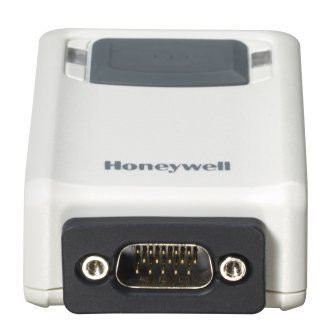
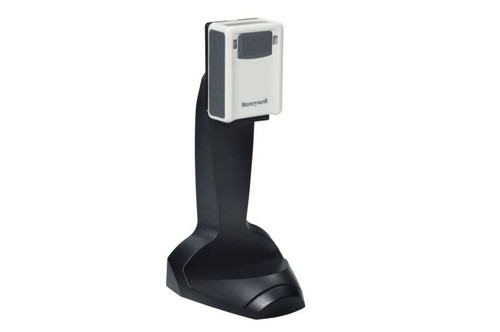
In This Guide
- What symbologies and scan performance does each model deliver?
- How do the two scanners compare on drop protection, ingress protection, and operating conditions?
- Do the two units differ in physical form factor, weight, or cable/interface configuration relevant to POS installation?
- Which should you choose: the 3320G-2USB-0EZDN or the 3320G-4USB-0-N?
- Side-by-Side Specs
- FAQ
What symbologies and scan performance does each model deliver?
Both models use an area-image sensor rated at 838 × 640 pixels and are specified as 1D/2D presentation scanners reading standard 1D and PDF symbologies. The 3320G-2USB-0EZDN specs explicitly enumerate UPC, QR Code, Data Matrix, and PDF417 as supported code types, and its supplemental data references aggressive decoding capable of capturing faded, creased, and worn barcodes in a single pass. The 3320G-4USB-0-N specs confirm 1D/2D capability but do not enumerate specific symbologies beyond 'standard 1D, PDF' — the same partial string that appears for Product A, suggesting the datasheet excerpt is truncated equally for both. No motion tolerance, decode rate, or contrast sensitivity figures are provided in the supplied specs for either unit, so a quantitative performance comparison on those axes is not possible from available data.
How do the two scanners compare on drop protection, ingress protection, and operating conditions?
Operating temperature is identical for both units: -20°C to +50°C (-4°F to +122°F), making either suitable for environments ranging from cold storage receiving areas to warm retail floors. IP rating is listed as IP53 in the structured product attributes for both models, and as IP42 in the supplemental card data for both — there is an internal inconsistency in the provided specs; the two units carry the same stated value whichever figure is used, so no advantage exists between them on ingress protection based on available data.
The 3320G-2USB-0EZDN supplemental specs include an explicit 1.8 m (5.9 ft) drop rating. No drop rating is stated in the provided specifications for the 3320G-4USB-0-N. This is the only environmental resilience differentiator visible in the supplied data, and it favors the 3320G-2USB-0EZDN for installations where countertop knock-off risk is a concern.
Do the two units differ in physical form factor, weight, or cable/interface configuration relevant to POS installation?
Weight is identical: 77 g (0.17 lbs / 2.7 oz) for both units. Working range is identical: 15–120 cm (6–48 in). Input voltage is identical: 5 VDC ± 0.25 V. Scan pattern dimensions at 5-mil Code 39 are the same: 55 mm–159 mm (2.2 in–6.3 in). Both connect via corded USB and target retail POS as the primary application.
The SKU suffixes differ — '2USB' versus '4USB' — which in Honeywell's Vuquest nomenclature typically denotes cable length (2-ft vs. 4-ft USB cable). The provided specifications do not explicitly state cable length for either model, so this inference cannot be confirmed from the supplied data alone. No other physical or interface differences are documented in the specs provided. Warranty is 3 years for both.
Which should you choose: the 3320G-2USB-0EZDN or the 3320G-4USB-0-N?
Our take: The 3320G-2USB-0EZDN is the stronger documented choice when drop resilience is a selection criterion, as it carries an explicit 1.8 m drop rating not stated in the 3320G-4USB-0-N specs. Beyond that single differentiator, the two units are spec-equivalent across every measurable dimension provided: identical 838 × 640 pixel area-image sensor, identical 15–120 cm working range, identical -20°C to +50°C operating temperature, identical 77 g weight, identical 5 VDC input, identical 3-year warranty, and the same IP rating (IP53 per structured attributes, IP42 per supplemental card data — inconsistent internally but equal between models). The probable distinction between SKUs is USB cable length (2 ft vs. 4 ft, inferred from naming convention but not confirmed in supplied specs). Buyers should verify cable length requirements against their POS counter depth before ordering, and request Honeywell's full datasheet to confirm any drop-rating parity or gap for the 3320G-4USB-0-N.
Side-by-Side Comparison
Spec-for-spec, from manufacturer data.
| Specification | Honeywell 3320G-2USB-0EZDN | Honeywell 3320G-4USB-0-N |
|---|---|---|
| Series / Family | Vuquest 3320g | Vuquest 3320g |
| Part Number | 3320G-2USB-0EZDN | 3320G-4USB-0-N |
| Device Category | Presentation Scanner | Presentation Scanner |
| Scan Technology | Area Image (838 × 640 pixel) | Area Image (838 × 640 pixel) |
| Symbologies (documented) | 1D, PDF417, QR, Data Matrix, UPC | 1D, PDF (full list not provided in specs) |
| Working Range | 15–120 cm (6–48 in) | 15–120 cm (6–48 in) |
| Connectivity | Corded USB | Corded USB |
| Input Voltage | 5 VDC ± 0.25 V | 5 VDC ± 0.25 V |
| IP Rating (structured attr.) | IP53 | IP53 |
| IP Rating (supplemental card) | IP42 | IP42 |
| Drop Rating | 1.8 m (5.9 ft) | — |
| Operating Temperature | -20°C to +50°C (-4°F to +122°F) | -20°C to +50°C (-4°F to +122°F) |
| Weight | 77 g (0.17 lbs / 2.7 oz) | 77 g (0.17 lbs / 2.7 oz) |
| Application | Retail point-of-sale | Retail point-of-sale |
| Warranty | 3 years | 3 years |
| Cable Length | — (not stated in provided specs) | — (not stated in provided specs) |
Frequently Asked Questions
Which should you choose: the 3320G-2USB-0EZDN or the 3320G-4USB-0-N?
The 3320G-2USB-0EZDN is the stronger documented choice when drop resilience is a selection criterion, as it carries an explicit 1.8 m drop rating not stated in the 3320G-4USB-0-N specs. Beyond that single differentiator, the two units are spec-equivalent across every measurable dimension provided: identical 838 × 640 pixel area-image sensor, identical 15–120 cm working range, identical -20°C to +50°C operating temperature, identical 77 g weight, identical 5 VDC input, identical 3-year warranty, and the same IP rating (IP53 per structured attributes, IP42 per supplemental card data — inconsistent internally but equal between models). The probable distinction between SKUs is USB cable length (2 ft vs. 4 ft, inferred from naming convention but not confirmed in supplied specs). Buyers should verify cable length requirements against their POS counter depth before ordering, and request Honeywell's full datasheet to confirm any drop-rating parity or gap for the 3320G-4USB-0-N.
Is the 3320G-2USB-0EZDN or 3320G-4USB-0-N better for a busy retail checkout where scanners get knocked off counters?
Based on the provided specs, the 3320G-2USB-0EZDN is the documented choice: it carries an explicit 1.8 m (5.9 ft) drop rating. The 3320G-4USB-0-N has no drop rating stated in the supplied specifications. All other durability specs — operating temperature (-20°C to +50°C) and IP rating — are identical between the two.
Do these two scanners read the same barcodes — QR codes, Data Matrix, and UPC?
Both are specified as 1D/2D presentation scanners sharing the same 838 × 640 pixel area-image sensor, and both are confirmed to read standard 1D and PDF symbologies. The 3320G-2USB-0EZDN supplemental specs explicitly list UPC, QR Code, Data Matrix, and PDF417. The 3320G-4USB-0-N specs do not enumerate those symbologies individually in the data provided, but the same series and sensor platform indicate equivalent decode capability — confirm against Honeywell's full datasheet before specifying.
What is the real difference between the 3320G-2USB-0EZDN and the 3320G-4USB-0-N — are they essentially the same scanner?
Based on the specifications provided, they are nearly identical: same series (Vuquest 3320g), same sensor, same working range, same weight, same operating temperature, same warranty, and same connectivity. The only documented differentiator in the supplied specs is the 3320G-2USB-0EZDN's explicit 1.8 m drop rating, which is absent for the 3320G-4USB-0-N. The SKU suffix ('2USB' vs. '4USB') likely denotes a 2-foot versus 4-foot USB cable, but cable length is not explicitly confirmed in the provided spec data.
More Barcode Scanner Comparisons
- Zebra DS9308 vs Datalogic M3410-010200-00403
- Zebra DS9308 vs Datalogic M3410-010210-00403
- Zebra DS9308 vs Datalogic M3450-010310-21104
- Zebra DS9308 vs Datalogic M3410-010210-00604
- Zebra DS9308 vs Zebra DS9308
- Zebra DS9308 vs Zebra DS9908
Barcode Scanner Buying Guides
Get a Second Opinion on Your Camera Choice
Share your site layout, coverage goals, and budget. Our team will validate the camera selection, flag anything we would change, and recommend products that match the use case.