
Code Blue SLNP0018 vs Comelit 1440: Specification Comparison
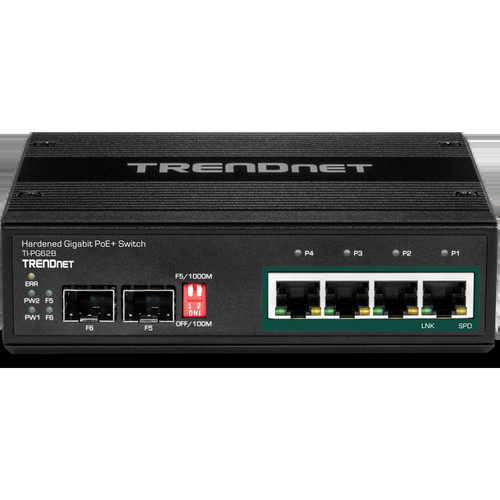
Both the Code Blue SLNP0018 (TI-PG62B) and the Comelit 1440 are 6-port PoE switches targeting physical-security edge deployments — the kind of install where a handful of IP cameras, intercoms, or access-control readers need powered Ethernet without a full data-center switch. The SLNP0018 is positioned as a ruggedized outdoor/industrial unit; the 1440 is Comelit's compact managed switch aimed at VIP intercom and surveillance clusters. This comparison evaluates port capacity and PoE budget, physical build and mounting, and management capability — the three axes that drive switch selection in surveillance and access-control projects.
In This Guide
- How do the port count and PoE power delivery compare between the SLNP0018 and the 1440?
- Which switch is better suited to harsh or outdoor environments, and how do the physical form factors compare?
- Does either switch offer network management features, and how does each integrate into a security platform?
- Which should you choose: the SLNP0018 or the 1440?
- Side-by-Side Specs
- FAQ
How do the port count and PoE power delivery compare between the SLNP0018 and the 1440?
Both switches provide 6 PoE-capable ports, so raw port count is equal. The comparison diverges at the PoE standard. The Comelit 1440 is spec'd to 802.3af, delivering 13 W per port with a stated total PoE budget of 78 W — numbers that are directly cited in the product data. The Code Blue SLNP0018 is listed as PoE+ (which conventionally implies 802.3at, up to 30 W per port), but the specifications provided do not state a per-port wattage cap, a total PoE budget, or a confirmed 802.3at standard call-out. Buyers who need to power higher-draw devices — PTZ cameras, multi-sensor units, or door controllers with electric strikes — will find the 1440's 78 W total budget a confirmed ceiling, while the SLNP0018's actual budget remains unverified from the supplied specs.
Switching fabric is documented only for the 1440 (Gigabit backbone, 6× Gigabit Ethernet ports). The SLNP0018 specifications do not state port speed or switching capacity, which is a material gap for projects routing HD or 4K video streams.
Which switch is better suited to harsh or outdoor environments, and how do the physical form factors compare?
The Code Blue SLNP0018 is explicitly described as ruggedized and its marketing copy states it 'supports outdoor and indoor installs where commercial switches fail.' It supports four mount types — wall, pole, recessed, and rack — which is directly relevant to tower, parking structure, and outdoor kiosk deployments. However, the provided specifications contain no IP/NEMA ingress-protection rating, no operating-temperature range, and no shock/vibration rating, so the degree of ruggedization cannot be quantified from the supplied data.
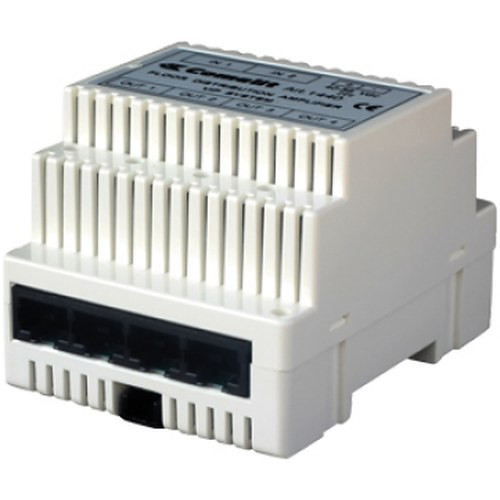
The Comelit 1440 is a white, wall/rack-mount unit with documented physical dimensions (66 mm × 85 mm × 35 mm per the spec field, though the raw string shows inches notation — buyers should verify units against the datasheet at /content/product-datasheets/1440.pdf). It carries a 2-year warranty, which is stated; the SLNP0018 warranty is not provided in the supplied specifications. The 1440 does not claim outdoor or ruggedized credentials. For indoor IT-closet or structured-wiring-cabinet deployments, the 1440's compact form is appropriate; for exposed outdoor or industrial enclosures, the SLNP0018's ruggedized positioning is relevant, but installers should obtain the full environmental spec sheet before committing.
Does either switch offer network management features, and how does each integrate into a security platform?
The Comelit 1440 is documented as a managed switch with VLAN, QoS, and port mirroring support. These are substantive capabilities for video-surveillance networks: VLANs allow camera traffic to be segmented from corporate LAN; QoS can prioritize video streams; port mirroring enables passive monitoring or IDS taps. The 1440 is also natively positioned within Comelit's VIP intercom ecosystem, making it a natural fit for deployments running Comelit intercoms and IP cameras on the same edge switch.
The Code Blue SLNP0018 specifications do not state whether the switch is managed or unmanaged, and no VLAN, QoS, or remote-management features are cited. Code Blue is a public-safety communications platform (blue-light emergency phones, towers), so the SLNP0018 is likely intended to power Code Blue field devices rather than serve as a general surveillance network switch. Its audio-input and paging-amplifier references reinforce this niche. No management interface or protocol is documented in the supplied data.
Which should you choose: the SLNP0018 or the 1440?
Our take: The Comelit 1440 is the stronger choice for a structured indoor surveillance or intercom network where management capability and a confirmed PoE budget matter. The 1440 provides a fully documented 802.3af power budget (13 W per port, 78 W total), Gigabit switching fabric on all 6 ports, and managed features — VLAN, QoS, and port mirroring — that the SLNP0018 does not spec out at all. The SLNP0018's PoE standard is listed as PoE+ but no per-port wattage, total budget, or port speed is provided in the supplied data, making power planning impossible from specs alone. The SLNP0018's four mount options (wall, pole, recessed, rack) and ruggedized positioning give it an edge for outdoor Code Blue tower or emergency-phone infrastructure — but only if installers obtain and verify the missing environmental and power specs from Code Blue directly before deployment.
Side-by-Side Comparison
Spec-for-spec, from manufacturer data.
| Specification | Code Blue SLNP0018 | Comelit 1440 |
|---|---|---|
| Total PoE Ports | 6 | 6 |
| PoE Standard | PoE+ (802.3at implied; not explicitly confirmed in specs) | 802.3af (confirmed) |
| Per-Port PoE Power | — | 13 W |
| Total PoE Budget | — | 78 W |
| Port Speed | — | Gigabit Ethernet (all 6 ports) |
| Switching Fabric | — | Gigabit backbone |
| Switch Management | — | Managed (VLAN, QoS, port mirroring) |
| Mount Types | Wall; Pole; Recessed; Rack | Wall; Rack |
| Ruggedized / Outdoor Rating | Marketed as ruggedized; no IP/NEMA rating provided | — |
| Housing Color | — | White |
| Dimensions | — | 66 × 85 × 35 (verify units against datasheet) |
| Warranty | — | 2-Year |
| Power Input | 12–24 V DC (referenced in audio/PoE context) | External (PoE-powered or AC option) |
| Ecosystem / Platform | Code Blue public-safety / emergency-phone infrastructure | Comelit VIP intercom and IP surveillance |
| Datasheet Available | — | Yes (/content/product-datasheets/1440.pdf) |
| SKU | SLNP0018 | 1440 |
Frequently Asked Questions
Which should you choose: the SLNP0018 or the 1440?
The Comelit 1440 is the stronger choice for a structured indoor surveillance or intercom network where management capability and a confirmed PoE budget matter. The 1440 provides a fully documented 802.3af power budget (13 W per port, 78 W total), Gigabit switching fabric on all 6 ports, and managed features — VLAN, QoS, and port mirroring — that the SLNP0018 does not spec out at all. The SLNP0018's PoE standard is listed as PoE+ but no per-port wattage, total budget, or port speed is provided in the supplied data, making power planning impossible from specs alone. The SLNP0018's four mount options (wall, pole, recessed, rack) and ruggedized positioning give it an edge for outdoor Code Blue tower or emergency-phone infrastructure — but only if installers obtain and verify the missing environmental and power specs from Code Blue directly before deployment.
Is the SLNP0018 or the 1440 better for powering PTZ cameras or multi-sensor units?
The Comelit 1440 is confirmed at 802.3af (13 W per port, 78 W total), which covers standard fixed cameras but may be insufficient for high-draw PTZ or multi-sensor cameras that require 802.3at (PoE+, up to 30 W). The SLNP0018 is listed as PoE+, implying higher per-port headroom, but no wattage figures are provided in the supplied specs — installers must request the full datasheet from Code Blue to confirm before specifying it for high-draw devices.
Can I use the 1440 to segment camera traffic from my corporate LAN?
Yes — the Comelit 1440 is documented as a managed switch with VLAN support, which allows you to isolate camera traffic on a dedicated network segment. The SLNP0018 does not list VLAN or any managed-switch features in its supplied specifications, so it cannot be confirmed for this use case without additional documentation from the manufacturer.
Which switch is rated for outdoor or pole-mount installations?
The Code Blue SLNP0018 is marketed as ruggedized and explicitly lists pole mount as a supported installation type alongside wall, recessed, and rack. However, no IP rating or operating-temperature range is provided in the supplied specs, so the degree of environmental protection cannot be confirmed from the available data. The Comelit 1440 lists only wall and rack mount and makes no outdoor or ruggedized claims in its specifications.
More Network Switch Comparisons
- Vivotek GEL-065A-060 vs Comelit 10081
- Vivotek GEL-065A-060 vs Comelit 1440
- Vivotek GEL-065A-060 vs Comelit 1440A
- Comelit 10081 vs Code Blue SLNP0018
- Comelit 10081 vs Comelit 1440
- Comelit 10081 vs Comelit 1440A
Network Switch Buying Guides
Get a Second Opinion on Your Camera Choice
Share your site layout, coverage goals, and budget. Our team will validate the camera selection, flag anything we would change, and recommend products that match the use case.