
APC by Schneider Electric SUA500PDR-S vs APC by Schneider Electric SUA500PDR-H: Specification Comparison
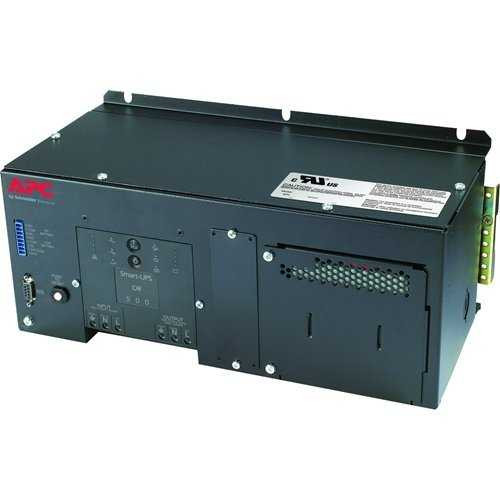
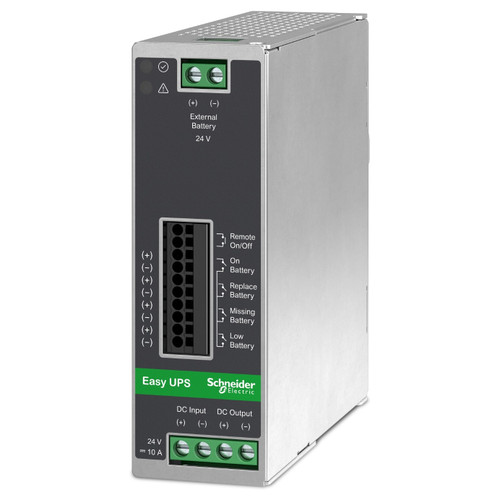
Both the SUA500PDR-S and SUA500PDR-H are APC by Schneider Electric 500 VA / ~325 W line-interactive UPS units designed for 120 V AC hardwired installations — a niche form factor aimed at DIN-rail or panel-mount deployments in industrial, security, and building-automation environments. This comparison examines their power and runtime characteristics, physical and environmental specifications, and management and connectivity options to help installers and IT buyers choose the correct variant for their specific mounting, monitoring, and runtime requirements.
In This Guide
- Which model delivers more usable runtime and how do their power specs compare?
- How do the two units differ in form factor, installation method, and operating environment tolerances?
- Which model offers more management and integration options for monitored or networked installations?
- Which should you choose: the SUA500PDR-S or the SUA500PDR-H?
- Side-by-Side Specs
- FAQ
Which model delivers more usable runtime and how do their power specs compare?
Both units share a 500 VA / 325 W nameplate, but the two datasheets record slightly different rated output wattages: the SUA500PDR-S specifies 320 W output capacity, while the SUA500PDR-H is listed at 325 W / 500 VA — a negligible 5 W delta that is unlikely to affect load planning in practice.
Runtime data is available only for the SUA500PDR-S: 7.4 minutes at full load and 21 minutes at half load. The SUA500PDR-H provides no runtime figures in the supplied specifications, so a direct runtime comparison cannot be made from the data provided.
Recharge time differs measurably: the SUA500PDR-S specifies 2 hours to recharge, whereas the SUA500PDR-H specifies 2.5 hours — a 25% longer recharge window that matters in environments with frequent utility interruptions where rapid battery recovery is critical.
Both models share an identical surge energy rating of 540 J. Efficiency (94%) and AC outlet count (3) are specified only for the SUA500PDR-S; neither figure is provided for the SUA500PDR-H in the supplied specs.
How do the two units differ in form factor, installation method, and operating environment tolerances?
The SUA500PDR-H explicitly identifies itself as a DIN-rail mountable UPS with an internal battery enclosure, hardwired input (1 × hardwire 3-wire: 1PH + N + G) and a single hardwired output connector (HN + E). Its shipping dimensions are 18.9 in × 11.7 in × 11.7 in and it weighs 29.32 lbs. No equivalent dimensional or weight data is provided for the SUA500PDR-S.
The SUA500PDR-S specifies a product color of black and uses an LED display; no display type or color information is listed for the SUA500PDR-H.
Operating temperature ranges align closely but are expressed in different units across datasheets. The SUA500PDR-S specifies 0–40 °C (32–104 °F); the SUA500PDR-H specifies 32–122 °F (0–50 °C) — meaning the SUA500PDR-H tolerates a 10 °C higher maximum ambient temperature, an advantage in warmer enclosures or unconditioned plant environments.
Both units specify 0–95% operating relative humidity. Storage temperature is provided only for the SUA500PDR-S: −15 to 45 °C. The SUA500PDR-H adds an acoustic noise specification of 55 dBA; no noise figure is provided for the SUA500PDR-S.
The SUA500PDR-H holds UL 1449 certification; no compliance standards are listed for the SUA500PDR-S in the provided specs.
Which model offers more management and integration options for monitored or networked installations?
The SUA500PDR-H provides a documented RS-232 remote management interface via a 9-pin D-Sub (DB-9) connector and includes an EPO (emergency power off) port — both critical for integration with building management systems, SCADA, or security panels. It also features an APC SmartSlot expansion bay, enabling optional network management card or relay I/O card installation.
The SUA500PDR-S provides no management interface, EPO port, or expansion slot information in the supplied specifications. Its display is LED-based, suggesting local visual status indication only.
The SUA500PDR-H specifies an input frequency requirement of 50/60 Hz and an output frequency range of 57–63 Hz. The SUA500PDR-S lists input frequency acceptance of 47–63 Hz — a slightly wider acceptance window on the low end that may benefit installations on non-standard or generator-sourced power.
Input voltage windows differ: the SUA500PDR-S accepts 75–154 V; the SUA500PDR-H lists a standard range of 82–144 V with an adjustable range of 75–154 V, indicating software-configurable sensitivity thresholds. Both units use hardwired input connections. The SUA500PDR-H also lists a limited 2-year warranty; no warranty term is stated for the SUA500PDR-S.
Which should you choose: the SUA500PDR-S or the SUA500PDR-H?
Our take: The SUA500PDR-H is the stronger choice when the installation demands remote management, emergency power-off control, and future expandability via SmartSlot — plus it tolerates a higher maximum ambient temperature (50 °C vs. 40 °C) and carries a documented UL 1449 listing and a 2-year warranty. The SUA500PDR-S, by contrast, offers a faster 2-hour recharge versus the SUA500PDR-H's 2.5-hour cycle — a 25% advantage where quick battery recovery matters — and its input frequency acceptance window extends slightly lower (47 Hz vs. 50 Hz), which can benefit generator-fed circuits. Runtime figures (7.4 min full / 21 min half load) exist only for the SUA500PDR-S, making load planning difficult with the SUA500PDR-H on spec sheets alone. Specify the SUA500PDR-H for managed, DIN-rail panel builds in warm enclosures requiring RS-232 supervisory integration; specify the SUA500PDR-S where rapid recharge and a documented efficiency rating (94%) are the primary drivers and remote monitoring is handled externally.
Side-by-Side Comparison
Spec-for-spec, from manufacturer data.
| Specification | APC by Schneider Electric SUA500PDR-S | APC by Schneider Electric SUA500PDR-H |
|---|---|---|
| Power Capacity | 500 VA / 320 W | 500 VA / 325 W |
| Surge Energy Rating | 540 J | 540 J |
| Efficiency | 94% | — |
| AC Outlets | 3 × AC outlet | 1 × hardwire 3-wire output (HN + E) |
| Input Voltage Range | 75 – 154 V | 82 – 144 V (adj. 75 – 154 V) |
| Input Frequency Acceptance | 47 – 63 Hz | 50 / 60 Hz (output 57 – 63 Hz) |
| Battery Technology | Sealed Lead Acid (VRLA) | Internal (type not specified) |
| Battery Recharge Time | 2 h | 2.5 h |
| Runtime at Full Load | 7.4 min | — |
| Runtime at Half Load | 21 min | — |
| Max Operating Temperature | 40 °C (104 °F) | 50 °C (122 °F) |
| Operating Humidity | 0 – 95% | 0 – 95% |
| Management Interface | — | RS-232 DB-9 |
| EPO Port | — | Yes |
| Expansion Slot | — | SmartSlot |
| Warranty | — | Limited 2-year |
| Compliance | — | UL 1449 |
| Weight | — | 29.32 lbs |
| Acoustic Noise | — | 55 dBA |
| Display | LED | — |
Frequently Asked Questions
Which should you choose: the SUA500PDR-S or the SUA500PDR-H?
The SUA500PDR-H is the stronger choice when the installation demands remote management, emergency power-off control, and future expandability via SmartSlot — plus it tolerates a higher maximum ambient temperature (50 °C vs. 40 °C) and carries a documented UL 1449 listing and a 2-year warranty. The SUA500PDR-S, by contrast, offers a faster 2-hour recharge versus the SUA500PDR-H's 2.5-hour cycle — a 25% advantage where quick battery recovery matters — and its input frequency acceptance window extends slightly lower (47 Hz vs. 50 Hz), which can benefit generator-fed circuits. Runtime figures (7.4 min full / 21 min half load) exist only for the SUA500PDR-S, making load planning difficult with the SUA500PDR-H on spec sheets alone. Specify the SUA500PDR-H for managed, DIN-rail panel builds in warm enclosures requiring RS-232 supervisory integration; specify the SUA500PDR-S where rapid recharge and a documented efficiency rating (94%) are the primary drivers and remote monitoring is handled externally.
Which model supports remote monitoring and emergency shutdown integration?
Only the SUA500PDR-H, as specified. It provides an RS-232 DB-9 management port, an EPO (emergency power off) interface, and an APC SmartSlot expansion bay for optional network management cards. No management interface, EPO port, or expansion slot is listed in the SUA500PDR-S specifications.
Which unit recharges its battery faster after a power event?
The SUA500PDR-S specifies a 2-hour recharge time versus 2.5 hours for the SUA500PDR-H — a 30-minute (25%) advantage. In installations where utility outages are frequent and rapid battery recovery between events is critical, the SUA500PDR-S has a documented edge on this single metric.
Can either unit operate in a hot electrical enclosure or outdoor cabinet?
The SUA500PDR-H specifies a maximum operating temperature of 122 °F (50 °C), making it better suited to warm or unconditioned enclosures. The SUA500PDR-S is rated to 40 °C (104 °F) maximum. Both share a 0–95% non-condensing humidity tolerance. No IP or NEMA ingress-protection rating is provided for either model in the supplied specifications.
More UPS Comparisons
- Vertiv GXT5-500LVRT2UXL vs APC by Schneider Electric SUA500PDR-H
- Vertiv GXT5-500LVRT2UXL vs APC by Schneider Electric BE500G3
- Vertiv GXT5-500LVRT2UXL vs APC by Schneider Electric SCL500RM1UC
- Vertiv GXT5-500LVRT2UXL vs APC by Schneider Electric SCL500RMI1UC
- APC by Schneider Electric SUA500PDR-H vs Middle Atlantic S500R
- APC by Schneider Electric SUA500PDR-H vs APC by Schneider Electric BE500G3
UPS Buying Guides
Get a Second Opinion on Your Camera Choice
Share your site layout, coverage goals, and budget. Our team will validate the camera selection, flag anything we would change, and recommend products that match the use case.