
APC by Schneider Electric SUA3000RMXLI3U vs Panduit U03S12V: Specification Comparison
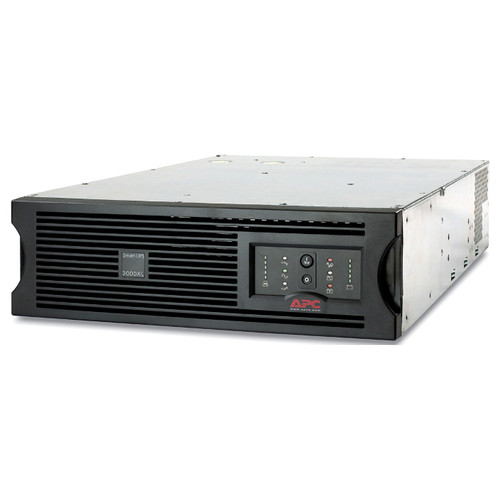
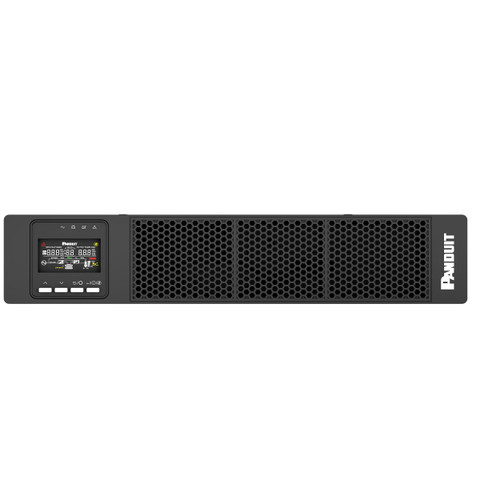
Both the APC Smart-UPS XL SUA3000RMXLI3U and the Panduit SteadySine U03S12V are rack-mount uninterruptible power supply units rated at 3000 VA / 2700 W, placing them in the same capacity class for infrastructure power protection. However, they target different regional markets and voltage environments: the APC unit is a 230 V device designed for international/European deployments, while the Panduit unit is a 120 V device intended for North American installations. Buyers should confirm their facility voltage before cross-shopping these two.
In This Guide
- Which UPS delivers the right output voltage, receptacles, and wiring for your rack environment?
- How do the two units compare on battery runtime, recharge time, and serviceability?
- Which unit offers more complete remote management and standards compliance for IT infrastructure?
- Which should you choose: the SUA3000RMXLI3U or the U03S12V?
- Side-by-Side Specs
- FAQ
Which UPS delivers the right output voltage, receptacles, and wiring for your rack environment?
The APC SUA3000RMXLI3U is a 230 V unit with a total power capacity of 2700 W / 3000 VA. Its output connector complement includes one IEC 60320 C19 and eight IEC 60320 C13 receptacles, matching international rack PDU and server IEC power inlet conventions common in EMEA deployments. Input connectors include IEC 60320 C20, BS 1363, and CEE 7/7, confirming its multi-country 230 V focus. Output voltage is AC 220/230/240 V ±5%.
The Panduit U03S12V is a 120 V unit with identical rated capacity: 2700 W / 3000 VA. Its output provides eight NEMA 5-15R receptacles—six with battery backup plus surge protection, and two with surge protection only—matching North American rack and edge-infrastructure norms. Input is 120 V AC with 50/60 Hz auto-sensing. The APC unit does not specify a transfer time; the Panduit specifies a 4 ms typical transfer time, a concrete data point relevant to sensitive loads.
How do the two units compare on battery runtime, recharge time, and serviceability?
The APC SUA3000RMXLI3U specifies a runtime of up to 5.4 minutes at full load, with a recharge time of 3 hours. Its battery is an internal sealed lead-acid type, but no hot-swap capability is stated in the provided specifications. An optional SmartSlot expansion slot (1 slot, noted as free) accommodates network management cards sold separately.
The Panduit U03S12V specifies a hot-swappable sealed lead-acid battery, which allows battery replacement without powering down connected equipment—a meaningful serviceability advantage in always-on data center environments. However, the U03S12V's specifications do not include a rated runtime figure or a recharge time figure, making a direct runtime comparison impossible from the data provided.
Which unit offers more complete remote management and standards compliance for IT infrastructure?
The APC SUA3000RMXLI3U provides RS-232 (DB-9) and USB management interfaces, plus one open SmartSlot for optional network management card expansion. It ships with a serial cable and USB cable. Compliant standards listed include UL 1449, VDE, EN 50091-1/2, C-Tick, and GOST, confirming multi-jurisdiction safety certification relevant to its 230 V markets. Sound emission is specified at 53 dBA.
The Panduit U03S12V provides USB, 10/100 Ethernet, and SNMP management natively, without requiring an add-on card. This gives it out-of-box network integration suited to data center and MTDC environments where SNMP-based monitoring is standard practice. The U03S12V also specifies cold-start capability, meaning it can power connected loads from battery alone without an active AC input—a spec not stated for the APC unit. No noise emission figure is provided for the Panduit.
Which should you choose: the SUA3000RMXLI3U or the U03S12V?
Our take: The SUA3000RMXLI3U is the stronger choice when the installation requires 230 V IEC outlet infrastructure in international or EMEA markets, with a known runtime floor of 5.4 minutes at full load and certified compliance across UL 1449, VDE, and EN 50091 standards. The U03S12V is the stronger choice for North American 120 V rack environments where built-in SNMP/Ethernet management, hot-swappable batteries, and a 4 ms transfer time are required without purchasing additional cards. Key spec deltas: the APC unit states a 5.4-minute full-load runtime and 3-hour recharge versus no figures provided for the Panduit; the Panduit includes native Ethernet/SNMP versus the APC's add-on SmartSlot dependency; and the Panduit offers hot-swap batteries versus no such statement for the APC. Platform qualifier: these units should not be treated as substitutes—voltage region is the primary gate.
Side-by-Side Comparison
Spec-for-spec, from manufacturer data.
| Specification | APC by Schneider Electric SUA3000RMXLI3U | Panduit U03S12V |
|---|---|---|
| Capacity (VA) | 3000 VA | 3000 VA |
| Capacity (Watts) | 2700 W | 2700 W |
| Form Factor | 3U Rack-Mount | 2U Rack-Mount |
| Input Voltage | AC 220 / 230 / 240 V | 120 V AC |
| Input Voltage Range | AC 160 – 286 V | Not specified |
| Output Voltage | AC 220/230/240 V ±5% | 120 V AC |
| Output Waveform | Sinewave | True Sine Wave |
| Output Receptacles | 1× C19, 8× C13 (IEC) | 8× NEMA 5-15R (6 backed, 2 surge-only) |
| Transfer Time | Not specified | 4 ms typical |
| Battery Type | Sealed Lead-Acid (internal) | Sealed Lead-Acid (hot-swappable) |
| Runtime at Full Load | 5.4 min | Not specified |
| Recharge Time | 3 hours | Not specified |
| Management Interfaces | RS-232, USB | USB, 10/100 Ethernet, SNMP |
| Expansion Slots | 1× SmartSlot (free) | Not specified |
| Cold Start | Not specified | Yes |
| Warranty | Limited – 2 years | Not specified |
Frequently Asked Questions
Which should you choose: the SUA3000RMXLI3U or the U03S12V?
The SUA3000RMXLI3U is the stronger choice when the installation requires 230 V IEC outlet infrastructure in international or EMEA markets, with a known runtime floor of 5.4 minutes at full load and certified compliance across UL 1449, VDE, and EN 50091 standards. The U03S12V is the stronger choice for North American 120 V rack environments where built-in SNMP/Ethernet management, hot-swappable batteries, and a 4 ms transfer time are required without purchasing additional cards. Key spec deltas: the APC unit states a 5.4-minute full-load runtime and 3-hour recharge versus no figures provided for the Panduit; the Panduit includes native Ethernet/SNMP versus the APC's add-on SmartSlot dependency; and the Panduit offers hot-swap batteries versus no such statement for the APC. Platform qualifier: these units should not be treated as substitutes—voltage region is the primary gate.
Can I use the SUA3000RMXLI3U or U03S12V in a North American 120 V data center?
Only the Panduit U03S12V is rated for 120 V AC input and uses NEMA 5-15R outlets standard in North America. The APC SUA3000RMXLI3U is rated for 220/230/240 V AC input with IEC and BS/CEE connectors and is not specified for 120 V use. Deploying the APC unit in a 120 V facility without appropriate step-up infrastructure would be outside its stated input voltage range of AC 160–286 V.
Does either UPS support remote network monitoring without buying extra accessories?
The Panduit U03S12V includes USB, 10/100 Ethernet, and SNMP management natively as specified. The APC SUA3000RMXLI3U provides RS-232 and USB interfaces natively but requires an optional network management card installed in its one SmartSlot expansion bay to gain Ethernet/SNMP capability—that card is not included per the provided specifications.
Which unit takes up less rack space?
The Panduit U03S12V occupies 2U of rack space (overall height 3.4" / 86.5 mm). The APC SUA3000RMXLI3U occupies 3U. If rack space is constrained, the Panduit has a one-rack-unit advantage, though buyers should verify depth compatibility with their specific rack enclosure, as only the APC's shipping dimensions (24" W × 32" D × 12" H) are provided—not its installed depth.
More UPS Comparisons
- APC by Schneider Electric SMT3000RMI2U vs Vertiv GXT5-3000LVRT2UXL
- APC by Schneider Electric SMT3000RMI2U vs Panduit U03N11L
- APC by Schneider Electric SMT3000RMI2U vs Panduit U03N12L
- APC by Schneider Electric SMT3000RMI2U vs Panduit U03S12V
- APC by Schneider Electric SMT3000RMI2U vs APC by Schneider Electric SRT3000XLT
- APC by Schneider Electric SMT3000RMI2U vs APC by Schneider Electric SRT3000XLW-IEC
UPS Buying Guides
Get a Second Opinion on Your Camera Choice
Share your site layout, coverage goals, and budget. Our team will validate the camera selection, flag anything we would change, and recommend products that match the use case.