
APC by Schneider Electric SMX3000RMHV2U vs Panduit U03N11V: Specification Comparison
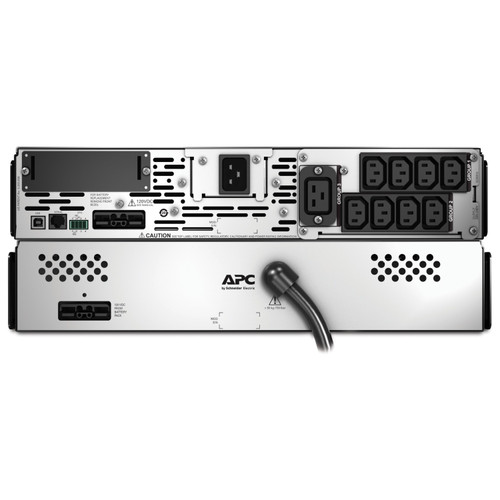
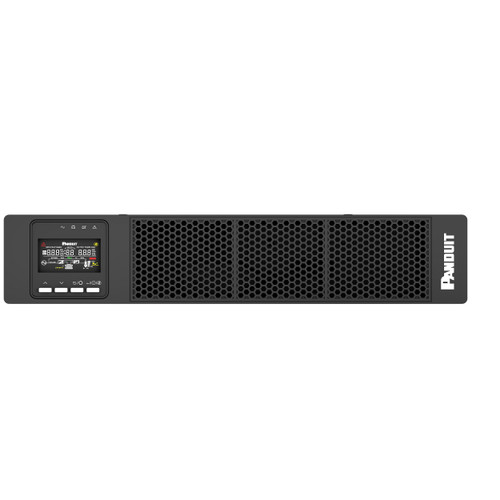
Both the APC Smart-UPS X SMX3000RMHV2U and the Panduit SteadySine U03N11V are 3 kVA uninterruptible power supplies targeting rack-mounted deployments in data center or enterprise edge environments. The APC unit uses a Line-Interactive topology, while the Panduit unit is specified as On-line Double Conversion—a fundamental architectural difference that shapes runtime conditioning, efficiency trade-offs, and suitability for sensitive loads. Buyers cross-shopping this class typically weigh power conditioning quality, output wattage, physical footprint, and management depth before committing.
In This Guide
- Which UPS topology and power-conditioning approach better protects sensitive loads?
- How do the two units compare on rated output capacity and key runtime parameters?
- Which unit fits the target rack environment based on physical and application specs?
- Which should you choose: the SMX3000RMHV2U or the U03N11V?
- Side-by-Side Specs
- FAQ
Which UPS topology and power-conditioning approach better protects sensitive loads?
The SMX3000RMHV2U uses a Line-Interactive topology with a pure sine-wave output, Automatic Voltage Regulation (AVR), and a 3:1 crest factor. It provides a hold time of 2–10 ms during transfer and is rated for 98.5% efficiency. Surge energy absorption is rated at 645 J with dedicated surge protection circuitry. Line-Interactive designs regulate voltage during sags and swells without going to battery but do transfer to battery on deeper faults.
The U03N11V is specified as On-line Double Conversion, meaning the load runs continuously on inverter-generated power with zero transfer time. This eliminates the transfer gap entirely and provides the highest level of output isolation from input power anomalies. However, no efficiency rating, output waveform spec, surge joule rating, crest factor, or AVR detail is provided in the available specs for the U03N11V, making a numerical comparison on these dimensions impossible from the provided data.
How do the two units compare on rated output capacity and key runtime parameters?
The SMX3000RMHV2U is rated at 3 kVA / 2700 W, giving a power factor of 0.90. It outputs 208–240 V at 50/60 Hz and is documented with audible alarms, Emergency Power Off (EPO) capability, and a 55 dB noise level.
The U03N11V is listed at 3 kVA and 120 V output at 3U rack height (86.5 mm / 3.4 in). No wattage (VA-to-W derating), output frequency spec, hold time, noise level, or EPO status is provided in the available data. The 120 V output voltage of the U03N11V versus 208–240 V from the SMX3000RMHV2U is a critical distinction: these units serve different branch circuit standards and are not interchangeable without infrastructure changes.
Which unit fits the target rack environment based on physical and application specs?
The U03N11V provides explicit physical dimensions: 3.4 in / 86.5 mm height, 17.3 in / 440 mm width, packaged as a single unit (Package Qty: 1). Its application is listed specifically as Data Center, Edge, and Enterprise MTDC under the SteadySine sub-brand.
The SMX3000RMHV2U is designated as a rack/tower unit (2U per the model suffix) but no height, width, or depth measurements are present in the provided specifications. Its application context is inferred from the product class. Neither unit provides depth or weight in the supplied data, limiting a complete rack-planning comparison to the U03N11V's partial dimensional data only.
Which should you choose: the SMX3000RMHV2U or the U03N11V?
Our take: The SMX3000RMHV2U is the stronger choice when output voltage compatibility (208–240 V), documented power-conditioning depth, and verified efficiency matter most. It publishes a 98.5% efficiency rating, 645 J surge absorption, 2–10 ms hold time, EPO support, and a 0.90 power factor—all decision-critical numbers the U03N11V spec sheet does not provide. Conversely, the U03N11V's On-line Double Conversion topology offers zero transfer time versus the SMX3000RMHV2U's 2–10 ms transfer window, which can matter for zero-tolerance loads. The U03N11V also outputs 120 V, making the two units non-interchangeable on most branch circuits without an infrastructure review. Buyers operating 208–240 V rack environments who need documented efficiency and surge ratings should favor the SMX3000RMHV2U. Buyers requiring true double-conversion isolation at 120 V in data center or MTDC edge racks should evaluate the U03N11V once complete wattage, efficiency, and runtime specs are confirmed with Panduit.
Side-by-Side Comparison
Spec-for-spec, from manufacturer data.
| Specification | APC by Schneider Electric SMX3000RMHV2U | Panduit U03N11V |
|---|---|---|
| UPS Topology | Line-Interactive | On-line Double Conversion |
| Rated Capacity | 3 kVA | 3 kVA |
| Rated Output Power (W) | 2700 W | — |
| Output Voltage | 208–240 V | 120 V |
| Output Frequency | 50/60 Hz | — |
| Waveform | Sine | — |
| Efficiency | 98.5% | — |
| Transfer Hold Time | 2–10 ms | 0 ms (double conversion) |
| Surge Energy Rating | 645 J | — |
| Automatic Voltage Regulation (AVR) | Yes | — |
| Emergency Power Off (EPO) | Yes | — |
| Crest Factor | 3:1 | — |
| Noise Level | 55 dB | — |
| Height | — | 3.4 in / 86.5 mm |
| Width | — | 17.3 in / 440 mm |
| Target Application | — | Data Center, Edge, Enterprise MTDC |
Frequently Asked Questions
Which should you choose: the SMX3000RMHV2U or the U03N11V?
The SMX3000RMHV2U is the stronger choice when output voltage compatibility (208–240 V), documented power-conditioning depth, and verified efficiency matter most. It publishes a 98.5% efficiency rating, 645 J surge absorption, 2–10 ms hold time, EPO support, and a 0.90 power factor—all decision-critical numbers the U03N11V spec sheet does not provide. Conversely, the U03N11V's On-line Double Conversion topology offers zero transfer time versus the SMX3000RMHV2U's 2–10 ms transfer window, which can matter for zero-tolerance loads. The U03N11V also outputs 120 V, making the two units non-interchangeable on most branch circuits without an infrastructure review. Buyers operating 208–240 V rack environments who need documented efficiency and surge ratings should favor the SMX3000RMHV2U. Buyers requiring true double-conversion isolation at 120 V in data center or MTDC edge racks should evaluate the U03N11V once complete wattage, efficiency, and runtime specs are confirmed with Panduit.
Does either UPS offer zero transfer time to battery?
Yes—the U03N11V uses On-line Double Conversion topology, which means the load is always running on inverter output and there is no transfer gap. The SMX3000RMHV2U is Line-Interactive and specifies a transfer hold time of 2–10 ms. For zero-tolerance loads such as high-frequency switching power supplies, the U03N11V's topology is the appropriate choice, though output wattage and efficiency specs are not available in the provided data to complete that comparison.
Can the SMX3000RMHV2U and U03N11V both power the same 208 V rack equipment?
No. The SMX3000RMHV2U outputs 208–240 V, which is compatible with standard North American 208 V single-phase circuits common in data centers. The U03N11V is specified at 120 V output. These are different branch circuit standards; connecting 120 V UPS output to 208 V equipment—or vice versa—without additional transformation would damage equipment. Verify the input/output voltage requirements of your load before selecting either unit.
Which UPS provides better specification transparency for procurement decisions?
The SMX3000RMHV2U provides significantly more decision-relevant data in the available specifications: rated wattage (2700 W), power factor (0.90), efficiency (98.5%), surge rating (645 J), hold time (2–10 ms), noise level (55 dB), EPO support, and waveform type (sine). The U03N11V's available data covers physical dimensions, application category, and topology only. Buyers should request the full Panduit U03N11V datasheet (referenced as /content/product-datasheets/U03N11V.pdf) to obtain wattage, efficiency, and runtime figures before making a final decision.
More UPS Comparisons
- APC by Schneider Electric SMT3000RMT2U vs Panduit U03S12L
- APC by Schneider Electric SMT3000RMT2U vs Vertiv GXT5-3KL620RT2UXL
- APC by Schneider Electric SMT3000RMT2U vs Vertiv GXT5-3KL630RT2UXL
- APC by Schneider Electric SMT3000RMT2U vs Panduit U03N11V
- APC by Schneider Electric SMT3000RMT2U vs APC by Schneider Electric SMTL3000RM2UCNC
- APC by Schneider Electric SMT3000RMT2U vs APC by Schneider Electric SMX3000HV
UPS Buying Guides
Get a Second Opinion on Your Camera Choice
Share your site layout, coverage goals, and budget. Our team will validate the camera selection, flag anything we would change, and recommend products that match the use case.