
APC by Schneider Electric SMT3000RM2UCUS vs Panduit U03N11L: Specification Comparison
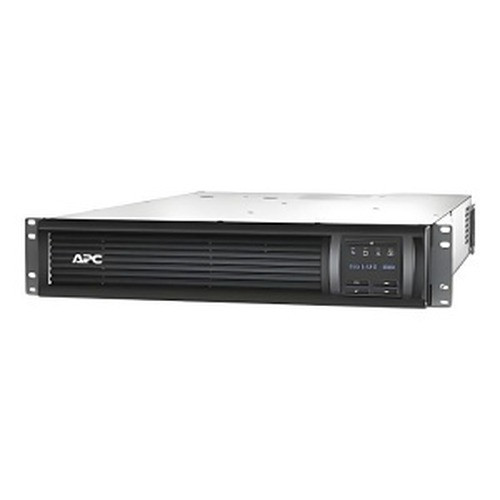
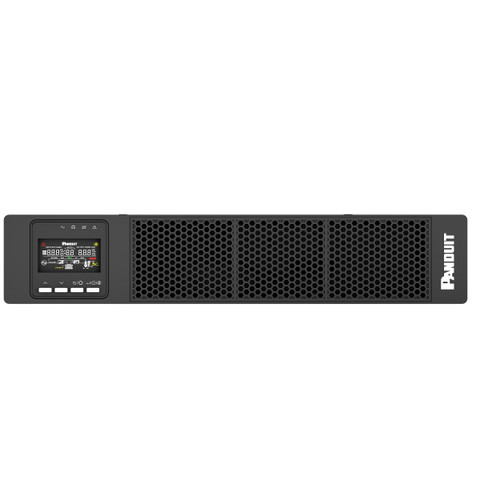
Both the APC Smart-UPS SMT3000RM2UCUS and the Panduit SteadyPulse U03N11L are 3000VA-class, 2U rack-mount, line-interactive UPS units designed for IT and physical-security infrastructure rooms. Each accepts a 120V AC / NEMA L5-30P input and delivers 2700W of protected output power. A buyer selecting a runtime-backup solution for a 2U rack slot would reasonably evaluate both. The comparison focuses on power and output flexibility, battery and serviceability characteristics, and management and compliance features.
In This Guide
- How do the two units differ in output capacity, waveform quality, and receptacle flexibility?
- Which unit offers better battery serviceability and runtime transparency?
- How do the units compare on remote management, certifications, and environmental ratings?
- Which should you choose: the SMT3000RM2UCUS or the U03N11L?
- Side-by-Side Specs
- FAQ
How do the two units differ in output capacity, waveform quality, and receptacle flexibility?
Both units are rated at 3000VA / 2700W, so raw capacity is identical. The APC SMT3000RM2UCUS specifies a pure sine-wave output with harmonic distortion of less than 5%, which is important for active PFC power supplies common in servers and network equipment. It provides six NEMA 5-15R receptacles plus a max configurable power ceiling of 2880VA / 2700W, and its transfer time is documented as 6ms typical, 10ms maximum.
The Panduit U03N11L lists IEC C13 output receptacles (quantity varies by model variant per the provided spec), rather than NEMA 5-15R outlets. Its waveform type is not specified in the provided data. Transfer time is not stated. The U03N11L also notes a surge protection rating of 480–600J per bank (typical range), compared to the APC's single documented figure of 459J. Buyers who require NEMA 5-15R outlets for direct plug-in of standard North American equipment should verify whether the Panduit's IEC C13 ports require adapters.
Which unit offers better battery serviceability and runtime transparency?
The APC SMT3000RM2UCUS uses a lead-acid battery with a documented typical recharge time of 3 hours, a battery life expectancy of 3–5 years, and a battery charge power of 172W rated. Runtime at load is not explicitly stated in the provided specs, but the 172W charge rating and 2700W capacity are on record. Battery replacement requires standard service access; hot-swap capability is not mentioned in the APC specification data provided.
The Panduit U03N11L specifies a sealed lead-acid battery that is explicitly hot-swappable with front access, which allows battery replacement without powering down connected equipment — a meaningful operational advantage in 24/7 environments. However, Panduit's provided specs do not state recharge time, rated battery life, or battery charge wattage, so a direct quantitative comparison on those points is not possible from the available data.
How do the units compare on remote management, certifications, and environmental ratings?
The APC SMT3000RM2UCUS includes SmartConnect cloud connectivity and documents one free expansion slot (for a management card). Its certifications are explicitly listed: cULus, ENERGY STAR V2.0 (USA), and TAA compliance. TAA compliance is relevant for U.S. federal and SLED procurements. Environmental ratings are fully documented: operating range 32–104°F (0–40°C), storage 5–113°F (-15–45°C), relative humidity 0–95%, operating altitude 0–10,000 ft, storage altitude up to 50,000 ft, and acoustic level 55 dBA.
The Panduit U03N11L offers an optional SNMP/HTTP network management card slot and a front-panel LCD displaying voltage, load, runtime, and faults. Certifications listed are cULus and FCC Part 15 Class A. TAA compliance is not stated in the provided specs. Environmental limits beyond the operating temperature range (32–104°F / 0–40°C) — including storage temperature, altitude, humidity, and acoustic level — are not provided in the available specification data. ENERGY STAR certification is not listed.
Which should you choose: the SMT3000RM2UCUS or the U03N11L?
Our take: The SMT3000RM2UCUS is the stronger choice when TAA compliance, certified energy efficiency, and fully documented environmental operating limits are procurement requirements. It carries explicit TAA and ENERGY STAR V2.0 certifications absent from the Panduit's provided specs, documents a pure sine-wave output with less than 5% harmonic distortion (waveform type is unspecified for the U03N11L), and provides a complete environmental envelope including 0–10,000 ft operating altitude, 0–95% humidity, and 55 dBA acoustics. The U03N11L's documented hot-swappable, front-access battery is a concrete operational advantage the APC spec does not claim, and its optional SNMP/HTTP card supports standards-based network management. For government, federal, or SLED deployments requiring TAA compliance and ENERGY STAR, the APC is the clear fit. For commercial or enterprise environments where battery maintainability during live operation is the priority and IEC C13 outputs are acceptable, the Panduit warrants serious consideration.
Side-by-Side Comparison
Spec-for-spec, from manufacturer data.
| Specification | APC by Schneider Electric SMT3000RM2UCUS | Panduit U03N11L |
|---|---|---|
| Capacity (VA) | 2880 VA (max configurable) | 3000 VA |
| Capacity (W) | 2700 W | 2700 W (typical) |
| Topology | Line Interactive | Line-Interactive with AVR |
| Form Factor | 2U Rack-Mount | 2U Rack-Mount |
| Input Voltage | 120V AC | 120V AC (typical) |
| Input Connection | NEMA L5-30P | NEMA L5-30P or Hardwire (verify variant) |
| Output Receptacles | 6 × NEMA 5-15R | IEC C13 (quantity varies by variant) |
| Output Waveform | Sine wave, <5% THD | — |
| Transfer Time | 6ms typical / 10ms max | — |
| Surge Energy Rating | 459 J | 480–600 J per bank (typical range) |
| Battery Type | Lead-Acid | Sealed Lead-Acid, Hot-Swappable |
| Battery Hot-Swap | — | Yes, front-access |
| Typical Recharge Time | 3 h | — |
| Battery Life | 3–5 years | — |
| Management | SmartConnect + 1 expansion slot | Optional SNMP/HTTP card slot |
| Display | LCD | Front-Panel LCD |
| Certifications | cULus, ENERGY STAR V2.0, TAA | cULus, FCC Part 15 Class A |
| Operating Temp | 32–104°F (0–40°C) | 32–104°F (0–40°C) |
| Operating Altitude | 0–10,000 ft | — |
| Acoustic Level | 55 dBA | — |
| Dimensions (H×W×D) | 3.4" × 17.0" × 26.9" | 3.4" × 17.3" × — |
| Weight | 97.62 lb (44.28 kg) | — |
| Warranty | 24 months (36 months contractual) | Manufacturer Warranty (duration not specified) |
Frequently Asked Questions
Which should you choose: the SMT3000RM2UCUS or the U03N11L?
The SMT3000RM2UCUS is the stronger choice when TAA compliance, certified energy efficiency, and fully documented environmental operating limits are procurement requirements. It carries explicit TAA and ENERGY STAR V2.0 certifications absent from the Panduit's provided specs, documents a pure sine-wave output with less than 5% harmonic distortion (waveform type is unspecified for the U03N11L), and provides a complete environmental envelope including 0–10,000 ft operating altitude, 0–95% humidity, and 55 dBA acoustics. The U03N11L's documented hot-swappable, front-access battery is a concrete operational advantage the APC spec does not claim, and its optional SNMP/HTTP card supports standards-based network management. For government, federal, or SLED deployments requiring TAA compliance and ENERGY STAR, the APC is the clear fit. For commercial or enterprise environments where battery maintainability during live operation is the priority and IEC C13 outputs are acceptable, the Panduit warrants serious consideration.
Is the SMT3000RM2UCUS or U03N11L better for a federal or government deployment?
Based on the provided specifications, only the APC SMT3000RM2UCUS carries documented TAA compliance and ENERGY STAR V2.0 certification. The Panduit U03N11L's provided specs do not list TAA compliance. For U.S. federal or SLED procurement requiring TAA-compliant equipment, the SMT3000RM2UCUS is the supportable choice from the available spec data.
Can I replace the battery without shutting down my equipment?
The Panduit U03N11L explicitly specifies a hot-swappable, front-access sealed lead-acid battery, meaning battery replacement can be performed without de-energizing connected loads. The APC SMT3000RM2UCUS specification data provided does not state hot-swap capability, so that feature cannot be confirmed for the APC from the available specs.
Do both units output a pure sine wave?
The APC SMT3000RM2UCUS specifies a sine-wave output with harmonic distortion of less than 5%, which is suitable for active PFC power supplies in servers and network gear. The Panduit U03N11L's provided specification data does not state the output waveform type. Buyers with active PFC equipment should confirm the U03N11L's waveform with Panduit before purchase.
More UPS Comparisons
- APC by Schneider Electric SMT3000RMI2U vs Vertiv GXT5-3000LVRT2UXL
- APC by Schneider Electric SMT3000RMI2U vs Panduit U03N11L
- APC by Schneider Electric SMT3000RMI2U vs Panduit U03N12L
- APC by Schneider Electric SMT3000RMI2U vs Panduit U03S12V
- APC by Schneider Electric SMT3000RMI2U vs APC by Schneider Electric SRT3000XLT
- APC by Schneider Electric SMT3000RMI2U vs APC by Schneider Electric SRT3000XLW-IEC
UPS Buying Guides
Get a Second Opinion on Your Camera Choice
Share your site layout, coverage goals, and budget. Our team will validate the camera selection, flag anything we would change, and recommend products that match the use case.