
APC by Schneider Electric SMC1500C vs Vertiv PSA6E-1500LVT: Specification Comparison
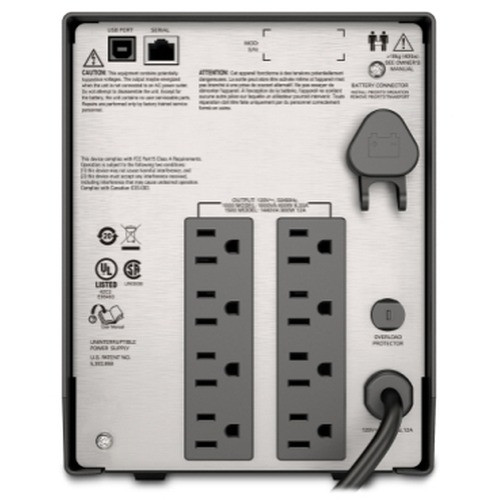
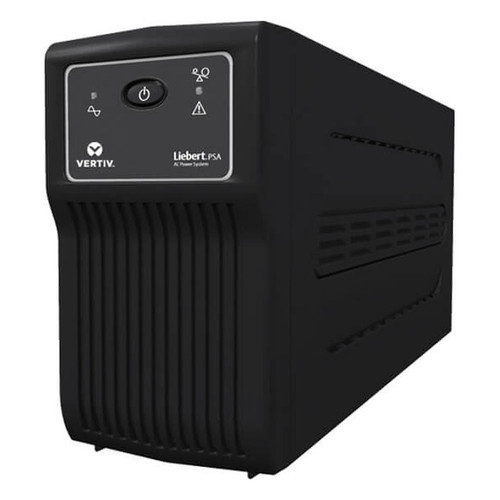
Both the APC SMC1500C and the Vertiv PSA6E-1500LVT are 1440 VA line-interactive tower/desktop UPS units designed for 120 V North American environments, making them direct cross-shop candidates for small office, workstation, network closet, and light edge-compute protection. This comparison evaluates how they differ across power quality and output specifications, physical and battery characteristics, and the depth of documented protection features — drawing exclusively from the published specifications provided for each unit.
In This Guide
- How do the SMC1500C and PSA6E-1500LVT compare on output power capacity and power quality?
- What do the specs reveal about surge protection, hold time, and battery characteristics?
- How do the two units differ in physical footprint, audible operation, and documented feature set?
- Which should you choose: the SMC1500C or the PSA6E-1500LVT?
- Side-by-Side Specs
- FAQ
How do the SMC1500C and PSA6E-1500LVT compare on output power capacity and power quality?
Both units share a 1440 VA nameplate rating, but the APC SMC1500C is rated at 900 W real power while the Vertiv PSA6E-1500LVT is rated at 850 W — a 50 W (roughly 5.6 %) advantage for the APC unit. In practice this means the SMC1500C can sustain slightly heavier resistive loads before hitting its watt ceiling.
The SMC1500C explicitly specifies a true sine-wave output waveform and a maximum output THD of 5 %, which is relevant for loads with active power factor correction (PFC) power supplies — such as modern servers and workstations — that can behave poorly on simulated or stepped-approximation waveforms. The PSA6E-1500LVT does not disclose its output waveform type or THD figure in the provided specifications, leaving buyers unable to confirm sine-wave compatibility from the published data alone.
On input voltage tolerance, the SMC1500C documents an operating range of 85–136 V at 50/60 Hz, giving installers a quantified window before the unit transfers to battery. The PSA6E-1500LVT states 120 VAC input and output but provides no minimum/maximum tolerance range in the supplied specs.
What do the specs reveal about surge protection, hold time, and battery characteristics?
The SMC1500C carries a documented surge energy rating of 680 J and explicitly lists EMI/RFI noise filtering and surge protection as enabled features. Hold time (the window between utility loss and battery transfer) is specified at 6 ms minimum and 10 ms maximum — quantified data that system designers can use to verify compatibility with generator transfer gaps or momentary sags.
The PSA6E-1500LVT does not provide a surge energy joule rating, hold time, or noise-filtering specification in the supplied data. It does, however, note that its battery is user-replaceable — a meaningful serviceability differentiator, since battery swap without a service call reduces lifecycle cost. The SMC1500C does not address battery replaceability in its provided specification set.
Runtime figures appear in neither product's provided spec sheet and cannot be compared here. Buyers requiring specific runtime targets should consult each manufacturer's runtime charts for their actual load profile.
How do the two units differ in physical footprint, audible operation, and documented feature set?
The Vertiv PSA6E-1500LVT provides concrete physical dimensions (7.68 × 5.71 × 15.75 in) and weight (21.2 lbs), which are essential for rack-adjacent or enclosed-space deployments. The SMC1500C does not include physical dimensions or weight in the provided specifications, making direct footprint comparison impossible from the supplied data.
The SMC1500C lists a noise level of 45 dB and confirms audible alarms — useful for open-office or noise-sensitive environments where fan and alarm acoustics matter. The PSA6E-1500LVT provides no acoustic or alarm specification in the supplied data.
The Vertiv PSA6E-1500LVT includes a stated 3-year warranty. The SMC1500C does not list a warranty term in the provided specifications. The PSA6E-1500LVT also references a published datasheet (PSA6E-1500LVT.pdf) suggesting additional undisclosed specs may exist, but only the data above has been used in this analysis.
Which should you choose: the SMC1500C or the PSA6E-1500LVT?
Our take: The SMC1500C is the stronger choice when confirmed sine-wave output, quantified surge protection, and documented input voltage tolerance are non-negotiable requirements. The APC unit specifies a true sine-wave waveform with ≤5 % THD — directly relevant to servers and workstations with PFC supplies — and backs it with a 680 J surge rating, an 85–136 V input window, and a 6–10 ms hold time. The Vertiv PSA6E-1500LVT, by contrast, omits waveform type, THD, surge joule rating, and hold time from its published specs, leaving those questions unanswered from available data. The PSA6E-1500LVT holds an edge on transparency in two areas: its physical dimensions and weight (7.68 × 5.71 × 15.75 in, 21.2 lbs) are documented where APC's are not, and it specifies a 3-year warranty versus no stated warranty for the SMC1500C. It also confirms user-replaceable batteries, a serviceability advantage. Choose the SMC1500C for PFC-load compatibility and verified surge/hold specs; evaluate the PSA6E-1500LVT when warranty coverage and form-factor planning are the primary decision drivers.
Side-by-Side Comparison
Spec-for-spec, from manufacturer data.
| Specification | APC by Schneider Electric SMC1500C | Vertiv PSA6E-1500LVT |
|---|---|---|
| UPS Topology | Line-Interactive | — |
| VA Rating | 1440 VA | 1440 VA |
| Real Power (Watts) | 900 W | 850 W |
| Output Waveform | Sine | — |
| Output THD | ≤5 % | — |
| Input Voltage Range | 85–136 V | 120 VAC (range not specified) |
| Output Voltage Range | 110–127 V | 120 VAC (range not specified) |
| Input/Output Frequency | 50/60 Hz | — |
| Surge Energy Rating | 680 J | — |
| Hold Time | 6 ms min / 10 ms max | — |
| EMI/RFI Filtering | Yes | — |
| Audible Alarms | Yes | — |
| Noise Level | 45 dB | — |
| User-Replaceable Battery | — | Yes |
| Dimensions (W×D×H) | — | 7.68 × 5.71 × 15.75 in |
| Weight | — | 21.2 lbs |
| Warranty | — | 3 years |
Frequently Asked Questions
Which should you choose: the SMC1500C or the PSA6E-1500LVT?
The SMC1500C is the stronger choice when confirmed sine-wave output, quantified surge protection, and documented input voltage tolerance are non-negotiable requirements. The APC unit specifies a true sine-wave waveform with ≤5 % THD — directly relevant to servers and workstations with PFC supplies — and backs it with a 680 J surge rating, an 85–136 V input window, and a 6–10 ms hold time. The Vertiv PSA6E-1500LVT, by contrast, omits waveform type, THD, surge joule rating, and hold time from its published specs, leaving those questions unanswered from available data. The PSA6E-1500LVT holds an edge on transparency in two areas: its physical dimensions and weight (7.68 × 5.71 × 15.75 in, 21.2 lbs) are documented where APC's are not, and it specifies a 3-year warranty versus no stated warranty for the SMC1500C. It also confirms user-replaceable batteries, a serviceability advantage. Choose the SMC1500C for PFC-load compatibility and verified surge/hold specs; evaluate the PSA6E-1500LVT when warranty coverage and form-factor planning are the primary decision drivers.
Which UPS is safer for servers or workstations with PFC power supplies?
Based on the provided specifications, the SMC1500C is the verifiable choice for PFC loads: it explicitly documents a sine-wave output with ≤5 % THD. The PSA6E-1500LVT does not disclose its waveform type or THD in the supplied specs, so sine-wave compatibility cannot be confirmed from the available data.
Does either UPS have a user-replaceable battery?
The Vertiv PSA6E-1500LVT explicitly states its battery is user-replaceable. The APC SMC1500C does not address battery replaceability in the provided specification set — buyers should consult APC documentation directly to confirm.
Which unit has better surge protection?
The SMC1500C documents a 680 J surge energy rating along with confirmed EMI/RFI noise filtering. The PSA6E-1500LVT provides no joule rating or noise-filter specification in the supplied data, making a numeric comparison impossible; only the SMC1500C offers a quantified surge figure to evaluate.
More UPS Comparisons
- APC by Schneider Electric SMC1500-2UC vs Vertiv PSA6-1500LVT
- APC by Schneider Electric SMC1500-2UC vs Vertiv PSA6E-1500LVT
- APC by Schneider Electric SMC1500-2UC vs APC by Schneider Electric SMC1500C
- APC by Schneider Electric SMC1500-2UC vs APC by Schneider Electric SMT1500X93
- APC by Schneider Electric SMC1500C vs Vertiv PSA6-1500LVT
- APC by Schneider Electric SMC1500C vs APC by Schneider Electric SMT1500X93
UPS Buying Guides
Get a Second Opinion on Your Camera Choice
Share your site layout, coverage goals, and budget. Our team will validate the camera selection, flag anything we would change, and recommend products that match the use case.