
APC by Schneider Electric BX850M vs APC by Schneider Electric BE850G2: Specification Comparison
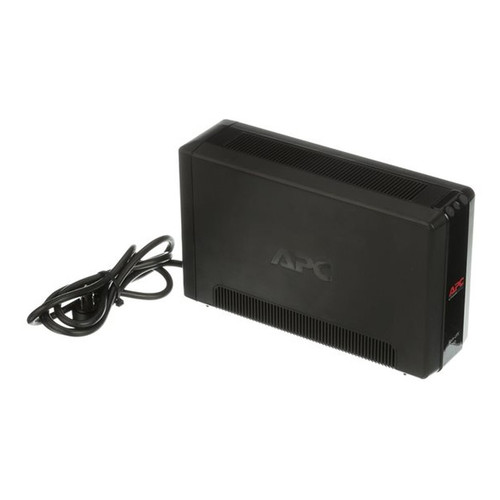
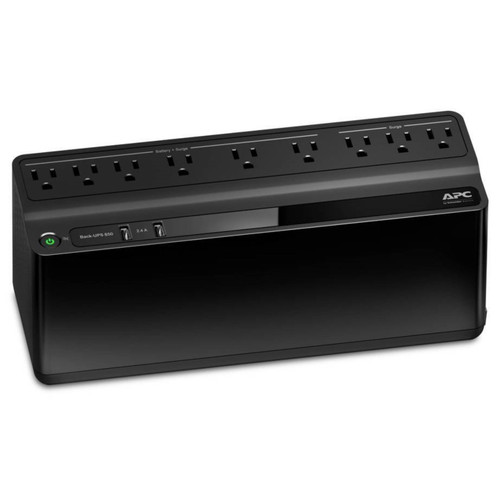
Both the APC BX850M and BE850G2 are 850VA tower UPS units designed for desktop and small-office use at 120V. They occupy the same VA class and device type, making them genuine cross-shop candidates for buyers protecting workstations, networking gear, or light AV equipment. The BX850M is positioned in the Back-UPS Pro series with more documented features, while the BE850G2 is a Back-UPS entry-level standby unit with minimal published specifications. This comparison evaluates power delivery, runtime and battery characteristics, and connectivity based strictly on available spec data.
In This Guide
- How do the BX850M and BE850G2 compare on power delivery and output capacity?
- What are the runtime and battery recharge differences between the BX850M and BE850G2?
- How do the BX850M and BE850G2 differ in connectivity, monitoring, and data line protection?
- Which should you choose: the BX850M or the BE850G2?
- Side-by-Side Specs
- FAQ
How do the BX850M and BE850G2 compare on power delivery and output capacity?
The BX850M publishes a watt rating of 510W against its 850VA capacity, yielding a power factor of approximately 0.60. It provides 8 total outlets — 4 with battery backup and 4 with surge-only protection — and carries a surge energy rating of 1,103 Joules. Input voltage range is documented at 88–139V with AVR (Automatic Voltage Regulation) in boost mode to compensate for low-voltage conditions without switching to battery.
The BE850G2 lists 450W output against its 850VA rating, implying a lower power factor of approximately 0.53. Outlet count is listed as 6 in the SKU description. Surge energy rating, input voltage range, and AVR capability are not specified in the provided data. The BE850G2 is classified as a standby UPS, meaning it does not perform active line regulation — it switches to battery only when input power falls outside tolerance.
What are the runtime and battery recharge differences between the BX850M and BE850G2?
The BX850M documents runtime at two load points: 2.1 minutes at full load (510W) and 8.9 minutes at half load (255W). Battery recharge time is stated at 12 hours. The battery type is sealed lead acid. These figures give buyers a concrete planning baseline for graceful shutdown windows.
The BE850G2 specifies its battery as a maintenance-free sealed lead-acid with suspended electrolyte (leakproof), but provides no runtime figures at any load level, and no recharge time is listed in the available spec data. Buyers evaluating the BE850G2 for runtime-sensitive applications cannot make a direct numerical comparison from these specs alone.
How do the BX850M and BE850G2 differ in connectivity, monitoring, and data line protection?
The BX850M includes a USB interface for PC communication and power management software integration. It provides data line protection on two paths: a 10/100/1000 Base-T Ethernet port (RJ-45) and a coaxial connector for CATV/SATV/modem/AV applications. An LCD status display is included for local monitoring. Certifications include UL 1778, FCC Part 15 Class B, ENERGY STAR, and California CEC Battery Charger compliance.
The BE850G2 also lists a USB interface. No data line protection ports, LCD display, or management software integration are documented in the provided specs. Certifications are not listed. Cord length is noted as 5 (units not specified in source data). The BE850G2 spec sheet as provided is materially sparse, and several decision-relevant fields are absent.
Which should you choose: the BX850M or the BE850G2?
Our take: The BX850M is the stronger choice when documented specifications are a prerequisite for purchasing decisions. It delivers a higher watt rating (510W vs. 450W), adds two more outlets (8 vs. 6), and includes AVR to regulate voltage without battery draw — a meaningful operational advantage for sensitive electronics. The BX850M also provides quantified runtime data (2.1 min full load / 8.9 min half load) and dual data-line protection (Ethernet + coax) absent from the BE850G2's published specs. The BE850G2's spec set as provided is too sparse to confirm parity on runtime, surge protection rating, or line conditioning capability. For buyers protecting networked security equipment, NVRs, or workstations where voltage sags are a concern, the BX850M's AVR, LCD display, and USB management interface make it the more defensible specification. The BE850G2 may suit cost-sensitive basic standby applications, but its capabilities cannot be fully verified from the data provided.
Side-by-Side Comparison
Spec-for-spec, from manufacturer data.
| Specification | APC by Schneider Electric BX850M | APC by Schneider Electric BE850G2 |
|---|---|---|
| Series | Back-UPS Pro | Back-UPS (entry) |
| Topology | Standby with AVR | Standby |
| VA Rating | 850 VA | 850 VA |
| Watt Rating | 510 W | 450 W |
| Output Voltage | 120V | 120V |
| Total Outlets | 8 | 6 |
| Battery-Backed Outlets | 4 x NEMA 5-15R | — |
| Surge-Only Outlets | 4 x NEMA 5-15R | — |
| Surge Energy Rating | 1,103 Joules | — |
| Input Voltage Range | 88–139V | — |
| Runtime at Full Load | 2.1 min | — |
| Runtime at Half Load | 8.9 min | — |
| Battery Recharge Time | 12 hours | — |
| Battery Type | Sealed Lead Acid | Sealed Lead Acid (suspended electrolyte) |
| Interface | USB | USB |
| Data Line Protection | Ethernet (RJ-45) + Coax | — |
| Display | LCD | — |
| Certifications | UL 1778, FCC Part 15 Class B, ENERGY STAR, CEC | — |
Frequently Asked Questions
Which should you choose: the BX850M or the BE850G2?
The BX850M is the stronger choice when documented specifications are a prerequisite for purchasing decisions. It delivers a higher watt rating (510W vs. 450W), adds two more outlets (8 vs. 6), and includes AVR to regulate voltage without battery draw — a meaningful operational advantage for sensitive electronics. The BX850M also provides quantified runtime data (2.1 min full load / 8.9 min half load) and dual data-line protection (Ethernet + coax) absent from the BE850G2's published specs. The BE850G2's spec set as provided is too sparse to confirm parity on runtime, surge protection rating, or line conditioning capability. For buyers protecting networked security equipment, NVRs, or workstations where voltage sags are a concern, the BX850M's AVR, LCD display, and USB management interface make it the more defensible specification. The BE850G2 may suit cost-sensitive basic standby applications, but its capabilities cannot be fully verified from the data provided.
Does the BX850M or BE850G2 offer better protection against voltage sags without draining the battery?
The BX850M specifies boost AVR, which actively corrects low input voltage (down to 88V) without switching to battery. The BE850G2 is classified as a standby UPS with no AVR capability documented in its specs, meaning it will switch to battery during sags rather than regulating through them.
Which unit gives me more outlets for my equipment?
The BX850M provides 8 outlets total — 4 with battery backup and 4 with surge-only protection. The BE850G2 is listed with 6 outlets, though the split between battery-backed and surge-only outlets is not specified in the available data.
Can I monitor either UPS from my PC for automatic shutdown during an outage?
Both units list a USB interface, which typically enables connection to APC's PowerChute software for automated graceful shutdown. However, only the BX850M's USB connectivity is confirmed alongside an LCD status display for local monitoring. The BE850G2's management software compatibility is not documented in the provided specifications.
More UPS Comparisons
- APC by Schneider Electric BX850M vs CyberPower CP850PFCLCD
- APC by Schneider Electric BX850M vs CyberPower CP850AVRLCD
- CyberPower CP850PFCLCD vs APC by Schneider Electric BE850G2
- CyberPower CP850PFCLCD vs CyberPower CP850AVRLCD
- CyberPower CP850AVRLCD vs APC by Schneider Electric BE850G2
UPS Buying Guides
Get a Second Opinion on Your Camera Choice
Share your site layout, coverage goals, and budget. Our team will validate the camera selection, flag anything we would change, and recommend products that match the use case.